
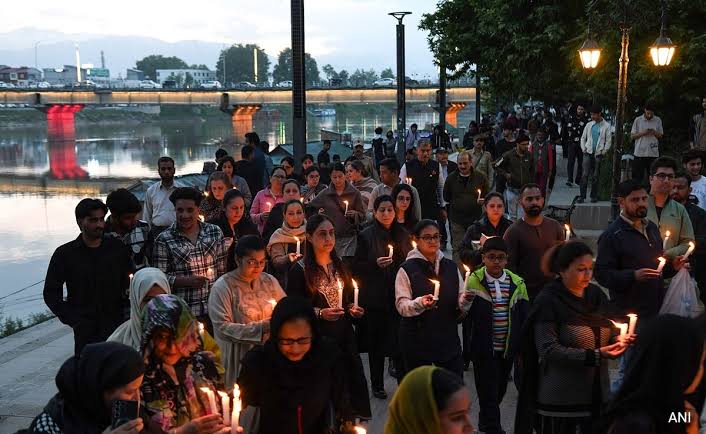
In the aftermath of the horrific terror attack in Pahalgam that claimed the lives of 26 innocent people, including tourists and a local Kashmiri, India is mourning yet again. Prime Minister Narendra Modi, during his monthly radio address ‘Mann Ki Baat,’ expressed the deep anguish of a nation in shock. “The blood of every Indian is boiling,” he said, capturing the collective sorrow and anger across the country. He vowed that the perpetrators and their handlers would face the harshest response and justice would be served.
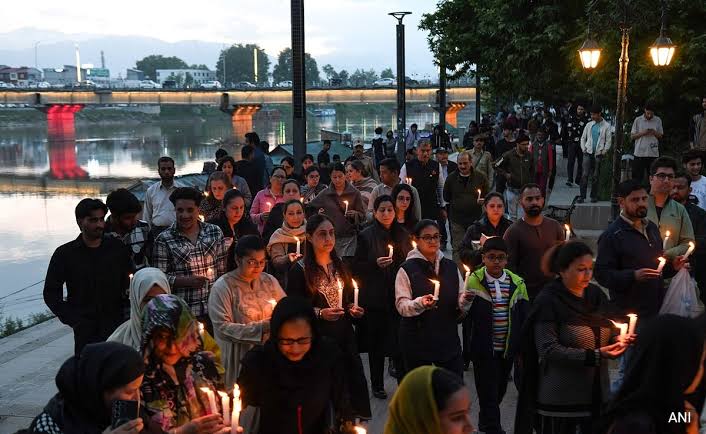

The attack, which shattered a period of fragile peace in Kashmir, was described by the Prime Minister as a cowardly attempt to push the region back into darkness. At a time when Kashmir was witnessing an encouraging resurgence with bustling schools, booming construction, flourishing democracy, and record tourist inflows, terrorists struck with brutal intent. “They want to destroy Kashmir again,” PM Modi warned, reaffirming the government’s commitment to restoring peace and progress.
In a chilling account shared on social media, Karnataka resident Prasanna Kumar Bhat described how he and around 40 others narrowly escaped death during the attack. He credited quick thinking and the bravery of his brother, a senior Army officer, for saving their lives, calling the incident “a monstrous act that turned heavenly beauty into a scene of blood and fire.”
Karnataka’s Excise Minister RB Timmapur also voiced a poignant reminder that the terrorists showed no concern for caste or religion in their killing spree, urging people not to communalize the tragedy. Meanwhile, state governments across India, including Maharashtra and Uttarakhand, have moved swiftly to identify and deport Pakistani nationals, following directives from the Centre.
Security forces in Jammu and Kashmir have responded decisively. In an intensified crackdown, homes belonging to 10 terrorists have been demolished, signaling a zero-tolerance policy toward terror. The National Investigation Agency (NIA) has taken over the probe, meticulously gathering evidence and interviewing eyewitnesses to piece together the sequence of that horrific day. Early investigations reveal disturbing links to individuals who had previously traveled to Pakistan, underscoring the deeply rooted nature of the threat.
The grief of families who lost their loved ones is heart-wrenching. Shubham Dwivedi, one of the victims, was reportedly the first to be shot during the attack. His wife, struggling to come to terms with the brutal loss, appealed to the government to recognize him as a martyr, fearing that, like many victims of past terror incidents, his sacrifice might be forgotten with time.
Beyond India’s borders, outrage has also spilled over. Protests erupted outside the Pakistani embassy in Kathmandu, while disturbing scenes were reported from London where a Pakistani diplomat was caught on camera making threatening gestures toward Indian protestors.
Facing mounting international and domestic pressure, Pakistan Prime Minister Shehbaz Sharif offered to cooperate with a neutral investigation, though many in India remain skeptical given the history of cross-border terrorism.
Meanwhile, in India’s refugee colonies, Pakistani Hindu families who fled persecution are living in fear, terrified at the prospect of being deported. For them, the thought of returning to a life of oppression is worse than death. “Dying in India is better than going back to that hell,” one refugee said, a heartbreaking reminder of the human cost of political violence.
As the nation grieves, it also stands resilient. The memory of those lost will not fade, promises the government, and the spirit of India—its commitment to peace, unity, and justice—remains unbroken.