
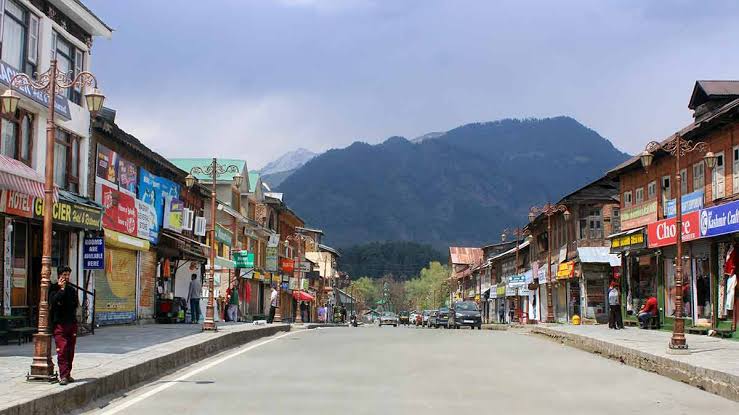
A month has passed since the tragic terror attack in Pahalgam that claimed the lives of 26 innocent civilians, including 25 tourists. Yet the echoes of that violence continue to reverberate through the serene valleys once filled with laughter, life, and the joy of travellers. The town, a beloved jewel of Kashmir, now stands still, its vibrant tourist spots eerily silent.
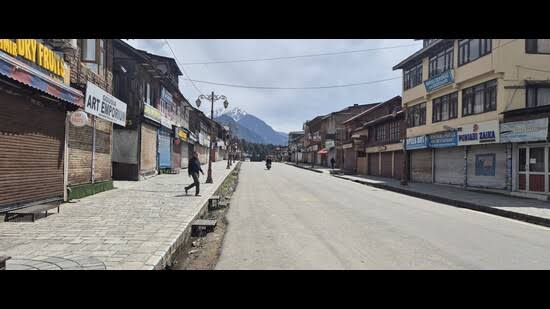

The Pahalgam Hotels and Owners Association (PHOA) reports a devastating dip in business. Occupancy at over 1,500 hotels has plummeted to just 10%. Many establishments have had to send their staff home, unable to bear the costs amid the absence of visitors. “It was a gruesome and terrifying incident,” says Javed Burza, PHOA’s president. “Tourism feels like a distant hope right now.”
Public parks, a major draw for families and leisure seekers, remain closed under a government advisory. Locals believe their reopening could be the first step toward healing and recovery. “These parks are the heart of Pahalgam. Keeping them closed is keeping the spirit of the valley locked away,” Mr. Burza adds.
For many young entrepreneurs, the situation is heartbreaking. Adventure sports operators, who had invested in zorbing, ziplining, and other activities, now sit idle with mounting debts. “I borrowed from the bank, believing this season would be our best yet,” says Nazeer Mir, a young local. “Now, I don’t know how I’ll survive the year.”
With no farming or orchard-based economy, Pahalgam’s 9,000-strong population is entirely dependent on tourism. For many, this is not just a business loss but a blow to their very way of life. “We booked hotels in advance for the season. Now we can’t even earn back that money,” says Firdous Dar, his voice heavy with frustration. “Many of us are mentally broken. We need the government to step in.”
In a bid to revive the inflow of tourists, the Jammu and Kashmir Hotels and Restaurants Association (JKHARA) has announced up to 65% discounts and custom packages for local visitors. “We’ve just come out of a war-like situation,” says Babar Chowdhary, president of JKHARA. “We are ready to host again. We just need a chance.”
Many are now looking ahead to the upcoming Amarnath Yatra, set to begin on July 3, as a ray of hope. Hotel tariffs have been slashed by up to 50% in anticipation of a possible turnaround. “We’re reaching out to tourists with optimism,” Mr. Burza says. “Pahalgam is still the beautiful, peaceful valley people fell in love with.”
But for now, the pain remains fresh. The Baisaran meadow, where the horrific attack occurred, remains closed off, a stark reminder of the violence that shook the town. And yet, amid the silence and sorrow, there is an enduring belief among the locals: that peace will return, tourists will come back, and the valley will once again echo with joy.