
According to the Turkish Foreign Ministry, all parties have agreed to establish a “monitoring and verification mechanism” aimed at ensuring the ceasefire is implemented and violations penalised. The mechanism, they say, will be finalised at a high-level follow-up meeting in Istanbul scheduled for November 6.

The Pakistani Foreign Ministry has confirmed that the truce is holding and noted that Islamabad has “taken note of assurances” from Kabul. The Pakistani spokesperson said Islamabad remained ready to respond to any provocation.
Pakistan’s core demand has been that Afghan soil must not serve as a base for militant groups attacking Pakistan particularly the Tehrik‑e‑Taliban Pakistan (TTP). Senior Pakistani security officials told agencies that Afghanistan must take “clear, verifiable and effective action” against such groups.
Context: Deadly border clashes
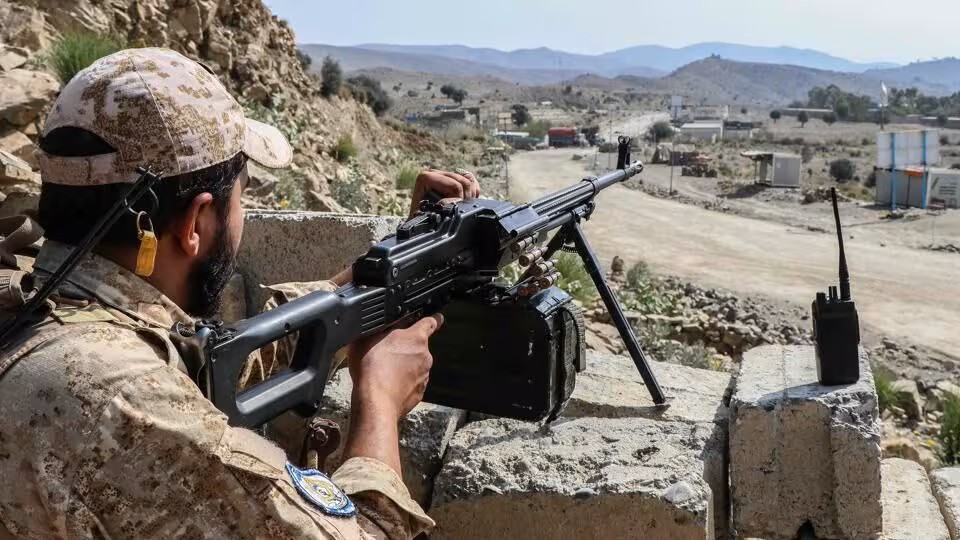
The ceasefire follows the most violent exchange along the 2,600-kilometre Pakistan–Afghanistan border since the Taliban’s return to power in Kabul in 2021. A prior truce was brokered in Doha on October 19, but the second round of Istanbul talks earlier this week collapsed amid mutual recriminations.
Earlier this week, Pakistan’s Defence Minister Khawaja Muhammad Asif warned of “open war” if negotiations failed, underscoring how fragile the situation remains.
What’s next and implications
Both sides plan to reconvene in Istanbul on November 6 at a higher-level meeting to finalise implementation details for the ceasefire mechanism. The establishment of monitoring, verification and penalty systems is expected to be the center piece.
For Pakistan, the move represents both a relief and a concession. While the ceasefire holds for now, Islamabad has accepted Taliban assurances rather than seeing a full agreement on shuttering militant sanctuaries — raising questions about Pakistan’s leverage in Kabul.
For Afghanistan’s Taliban government, securing acknowledgement from its neighbour and forging a process to prevent renewed fighting helps stabilise the border and relieve war-weariness among the populace. However, the ambiguous phrasing of “assurances” rather than a binding treaty leaves space for future conflict unless the verification regime proves effective.
Why it matters
The Pakistan–Afghanistan border has long been a flashpoint for militant movements, refugee flows and cross‐border incidents. A functioning ceasefire could ease tensions, reopen trade routes and foster regional stability.
At the same time, the success of the ceasefire depends on trust, transparency and the capacity of all parties including the Taliban government to control armed groups and enforce the agreements in practice. If the verification mechanisms fail, the risk of a rapid return to violence looms large.