
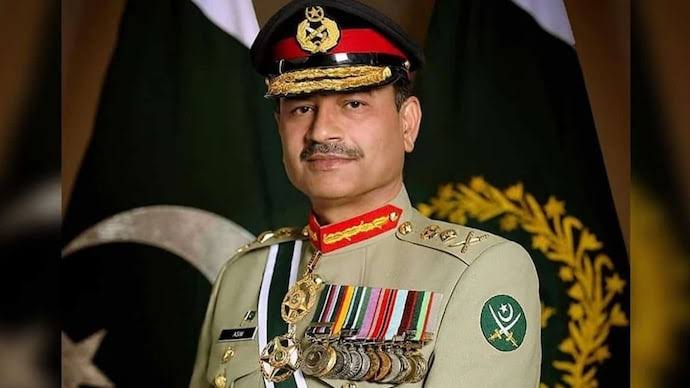
In a chilling escalation of rhetoric, Pakistan’s Army Chief, Field Marshal Asim Munir, openly threatened to unleash nuclear war if Pakistan faced an existential threat from India. His stark warning raised fears of global devastation and heightened tensions in South Asia.
Munir’s Nuclear Threat at Florida Dinner
Munir’s comments came during a formal black-tie dinner held in Tampa, Florida, attended by Pakistani-Americans and dignitaries. Without hesitation, he declared, “We are a nuclear nation. If we think we are going down, we’ll take half the world down with us.” This statement invoked a terrifying vision of global Armageddon.
Such public nuclear threats by a high-ranking military official are rare on foreign soil, making Munir’s remarks all the more extraordinary. The dinner was hosted by Pakistan’s consul general, and phones were banned, restricting real-time reporting.
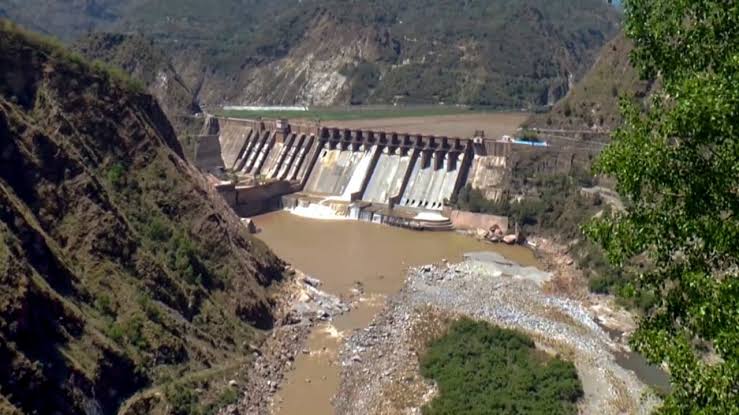

Besides nuclear threats, Munir issued a combative message regarding the Indus Waters Treaty, a critical water-sharing agreement between India and Pakistan. He vowed to destroy any Indian dam built on the Indus River, saying, “We will wait for India to build a dam, and when it does so, phir 10 missile sey faarigh kar dengey [we will destroy it with 10 missiles].”
This warning underlines the treaty’s importance to Pakistan’s survival. Experts estimate that abrogation of this treaty could put nearly 250 million Pakistanis at risk of severe water shortages and starvation. Munir’s missile threat signals the high stakes Pakistan attaches to this issue.
Taunts Over Recent Four-Day War
Munir also taunted India regarding the recent Four-Day War in May, a brief but intense conflict that ended in a ceasefire. Calling it Bunyaanum Marsoos — a Quranic phrase meaning those who fight for God form a solid wall — he urged India to acknowledge its losses while warning Pakistan would reveal its own losses only if India did the same.
His use of Quranic references is typical, blending religious rhetoric with military posturing. This approach resonates with his audience and amplifies the emotional intensity of his message.
Context: Pakistan’s Strategic Stance
Munir’s remarks come amid ongoing India-Pakistan tensions. Since his appointment in June 2025, he has consistently adopted a hardline stance. Earlier in Islamabad, he called Kashmir Pakistan’s “jugular vein” and emphasized the two nations’ distinct religious and cultural identities.
Pakistan sees Kashmir as its core issue, fueling decades of conflict with India. Munir’s rhetoric reflects this deep-rooted animosity and Pakistan’s determination to assert its claims.
International Reactions and Implications
The location of Munir’s threat — the United States — adds a diplomatic twist. He was in the US for the farewell of Centcom chief Gen. Michael Kurilla. Interestingly, Pakistan has recently been described by US military officials as a valuable partner in counter-terrorism, despite past accusations of harboring terrorists.
Munir’s insistence that both India and Pakistan be treated as strategic partners signals Pakistan’s desire for equal footing in US foreign policy. However, his aggressive remarks risk complicating diplomatic efforts and increasing instability in South Asia.
What Lies Ahead?
Pakistan’s nuclear threats and tough stance over water and territorial disputes present serious challenges. Experts warn that unchecked rhetoric increases the risk of miscalculation between two nuclear-armed neighbors.
India continues to maintain strong defensive and diplomatic measures to counter Pakistan’s threats. Meanwhile, global powers urge dialogue and restraint to prevent escalation.
Key Points Summary
- Pakistan Army Chief Asim Munir threatened nuclear war, vowing to destroy half the world if Pakistan faced an existential threat from India.
- Munir warned he would destroy any Indian dam built on the Indus River, threatening missile strikes.
- He taunted India over the Four-Day War, calling for acknowledgment of losses on both sides.
- The Indus Waters Treaty remains a critical issue, with potential humanitarian impact on Pakistan.
- Munir’s comments came during a dinner in Tampa, Florida, amidst US-Pakistan strategic interactions.
- Experts caution that such hawkish rhetoric heightens regional tensions and risks miscalculation.
As tensions simmer, the world watches closely. Responsible leadership and diplomacy remain crucial to avoid a conflict that could have devastating global consequences.