
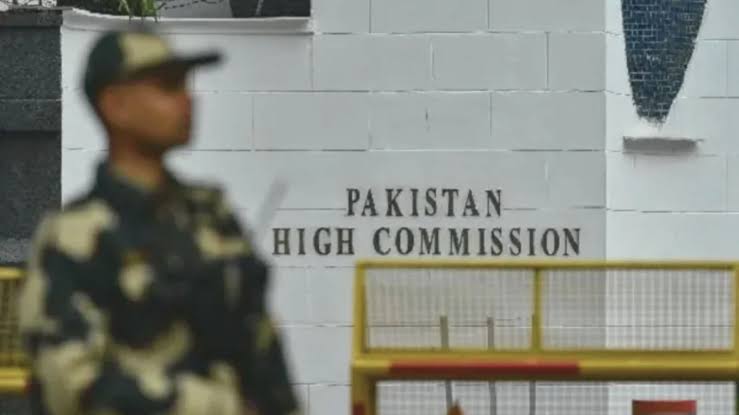
In a move reflecting the strained diplomatic ties between the two neighbours, Pakistan has declared a staff member of the Indian High Commission in Islamabad as persona non grata, directing the official to leave the country within 24 hours. The decision came swiftly after India earlier declared a Pakistani official in New Delhi persona non grata, citing activities inconsistent with diplomatic norms.
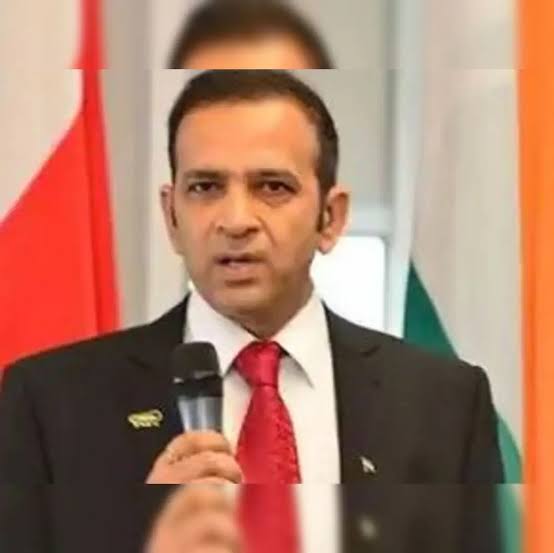

Pakistan’s Ministry of Foreign Affairs confirmed the development on social media, stating that the Indian diplomat was involved in activities “incompatible with his privileged status.” The Indian Charge d’Affaires was summoned and formally informed of the decision.
This exchange of expulsions underlines the fragility of diplomatic engagement between the two nations, both of which have a long and complex history marked by moments of both conflict and cooperation. While such tit-for-tat measures are not new in international diplomacy, they often reflect deeper tensions that extend beyond the individuals involved.
For the officials affected, and their families, these sudden decisions come with significant disruption and emotional toll—being uprooted from a foreign post on such short notice is never easy. In diplomatic circles, such actions are viewed as strong signals of discontent, usually reserved for serious grievances.
As both countries navigate this latest episode, hopes remain among many that future engagements can move towards constructive dialogue rather than escalating gestures. The people on either side of the border often bear the emotional weight of political decisions made at the highest levels, making a return to calm diplomacy all the more urgent.