
Diplomatic Reset After a Decade
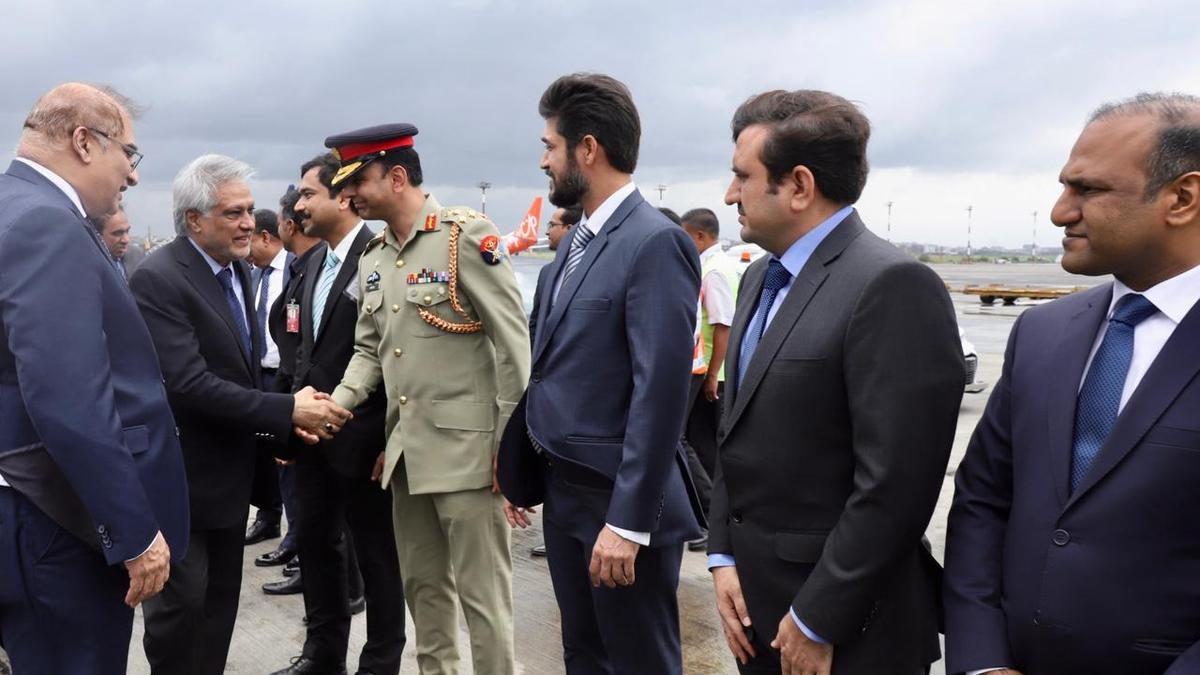
Dar’s arrival, received by Bangladesh’s Foreign Secretary Asad Alam Siam at Hazrat Shahjalal International Airport, reflects Islamabad’s push to reconnect with Dhaka after years of limited contact. The last comparable visit took place in 2012. The timing is significant as Bangladesh has been recalibrating its foreign policy following last year’s uprising that ousted Sheikh Hasina, whose government maintained closer ties with India.
Trade, Connectivity, and Future Cooperation
During meetings with Bangladeshi officials, including Commerce Adviser Sheikh Bashiruddin, the two sides discussed expanding bilateral trade, easing visa restrictions, and enhancing regional connectivity. Pakistan’s Foreign Ministry noted that the agenda placed “special focus on enhancing trade and promoting connectivity.”
Both governments are exploring agreements in multiple areas, including trade facilitation, aviation, and infrastructure cooperation. Plans to launch direct Dhaka–Karachi flights are reportedly in motion, with local airlines seeking regulatory clearance. Notably, Pakistan and Bangladesh had already revived limited sea trade last year, which was expanded to government-to-government deals in early 2025.
For details on existing bilateral trade frameworks, see Pakistan’s Ministry of Commerce.


Dar also held discussions with political representatives from the Bangladesh Nationalist Party (BNP), the National Citizen Party (NCP)—which played a central role in the 2024 uprising—and Jamaat-e-Islami. The meetings highlighted Pakistan’s outreach beyond the ruling interim leadership, seeking broader engagement across the political spectrum.
Speaking at a press briefing, Dar emphasized Pakistan’s “strong desire to forge a cooperative and forward-looking relationship with Bangladesh.” His remarks suggested a departure from decades of frozen ties marked by historical grievances.
Military and Security Talks
The visit coincided with increasing defense engagement. Senior military commanders from both countries held talks in Pakistan earlier in the week. While details remain limited, the dialogue suggests an attempt to build confidence on security matters, long a sensitive subject given the legacy of the 1971 Liberation War.
The Historical Backdrop
Relations between Dhaka and Islamabad have been strained since 1971, when Bangladesh emerged from East Pakistan after a bloody conflict. Bangladesh accuses Pakistan’s army of committing atrocities during the war, with local estimates placing casualties in the millions. While Pakistan has expressed regret, it has not issued a formal apology—an issue that continues to shadow bilateral relations.
For historical context, see Government of India’s official records on 1971 events.
Regional Dynamics and India Factor
Dar’s outreach comes as Bangladesh’s ties with India face new tensions. Dhaka has accused New Delhi of backing the outlawed Awami League, allegations India has strongly denied. Interim leader Muhammad Yunus has also demanded that India extradite Hasina to face trial on charges of crimes against humanity.
Observers note that the evolving regional dynamics may offer Pakistan a strategic opening to rebuild its position in Dhaka, while also testing the balance of power in South Asia.