As diplomatic tensions flare in the wake of a deadly terror attack in India-administered Kashmir, Pakistan is gearing up to challenge India’s suspension of the Indus Waters Treaty on the international stage. Islamabad is exploring multiple legal avenues, including approaching the World Bank, the Permanent Court of Arbitration, and the International Court of Justice, according to Minister of State for Law and Justice, Aqeel Malik.
Legal strategy consultations are almost complete, Malik told Reuters, adding that Pakistan is considering pursuing more than one legal route. He said India’s unilateral suspension of the treaty may also constitute a violation of the 1960 Vienna Convention on the Law of Treaties. Additionally, Pakistan may raise the matter at the United Nations Security Council.
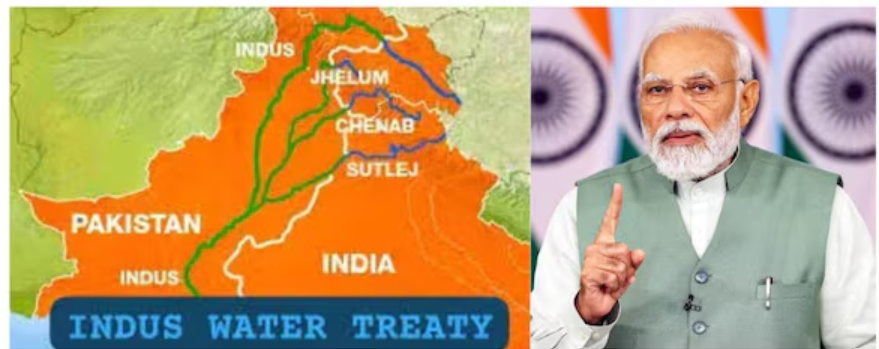
The decades-old Indus Waters Treaty, brokered by the World Bank in 1960, governs water-sharing between India and Pakistan and is vital for Pakistan’s irrigated agriculture and hydropower generation. Despite three wars and repeated flare-ups over Kashmir, the treaty has largely endured—until now.
India halted the treaty last week, stating the suspension would remain until Pakistan credibly and irrevocably abjures its support for cross-border terrorism. This followed a deadly attack in Pahalgam that killed 26 people, which New Delhi alleges was orchestrated by Pakistan-based militants. Pakistan has denied involvement and called India’s action an act of war if any water flow to Pakistan is diverted.
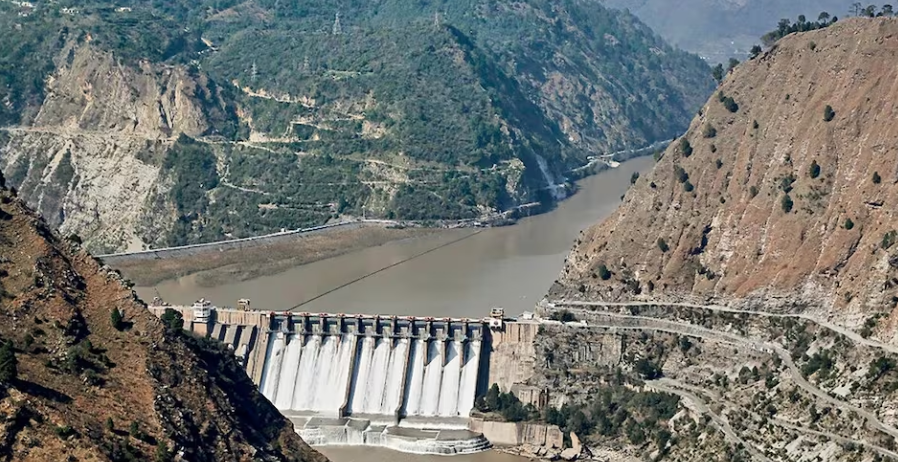
India’s Ministry of Water Resources has yet to respond officially, but Kushvinder Vohra, a former head of India’s Central Water Commission, commented that India has legal grounds to justify its move. He emphasised that while the treaty allows India to construct hydropower projects on certain rivers, it does not permit large-scale water diversion or storage, making any sudden disruption unlikely in the short term.
Still, Pakistan’s agrarian sector is on edge. Already struggling with water shortages exacerbated by climate change, farmers fear even minor disruptions could have severe consequences. As the situation escalates, the long-standing water-sharing pact—often hailed as a rare success in India-Pakistan relations—hangs in a precarious balance, with both sides bracing for diplomatic and legal confrontation.