

The minister clarified that the pact is defensive in nature, not offensive, emphasizing that it would only be activated if the parties face aggression. “We have no intention of using this pact for any aggression,” he told Reuters. “But if the parties are threatened, then obviously this arrangement will become operative.”
Mr. Asif also revealed that Pakistan’s nuclear capabilities would be available to Saudi Arabia under the pact, though Pakistan’s doctrine restricts nuclear use to India. A senior Saudi official confirmed to Reuters that the agreement is comprehensive and covers all military means.
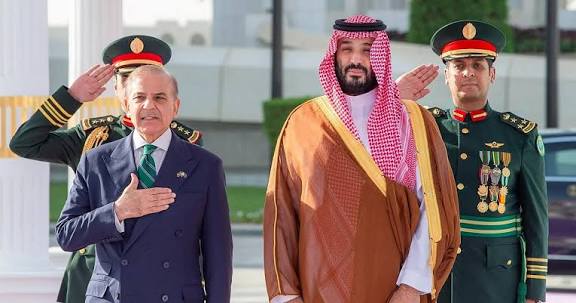
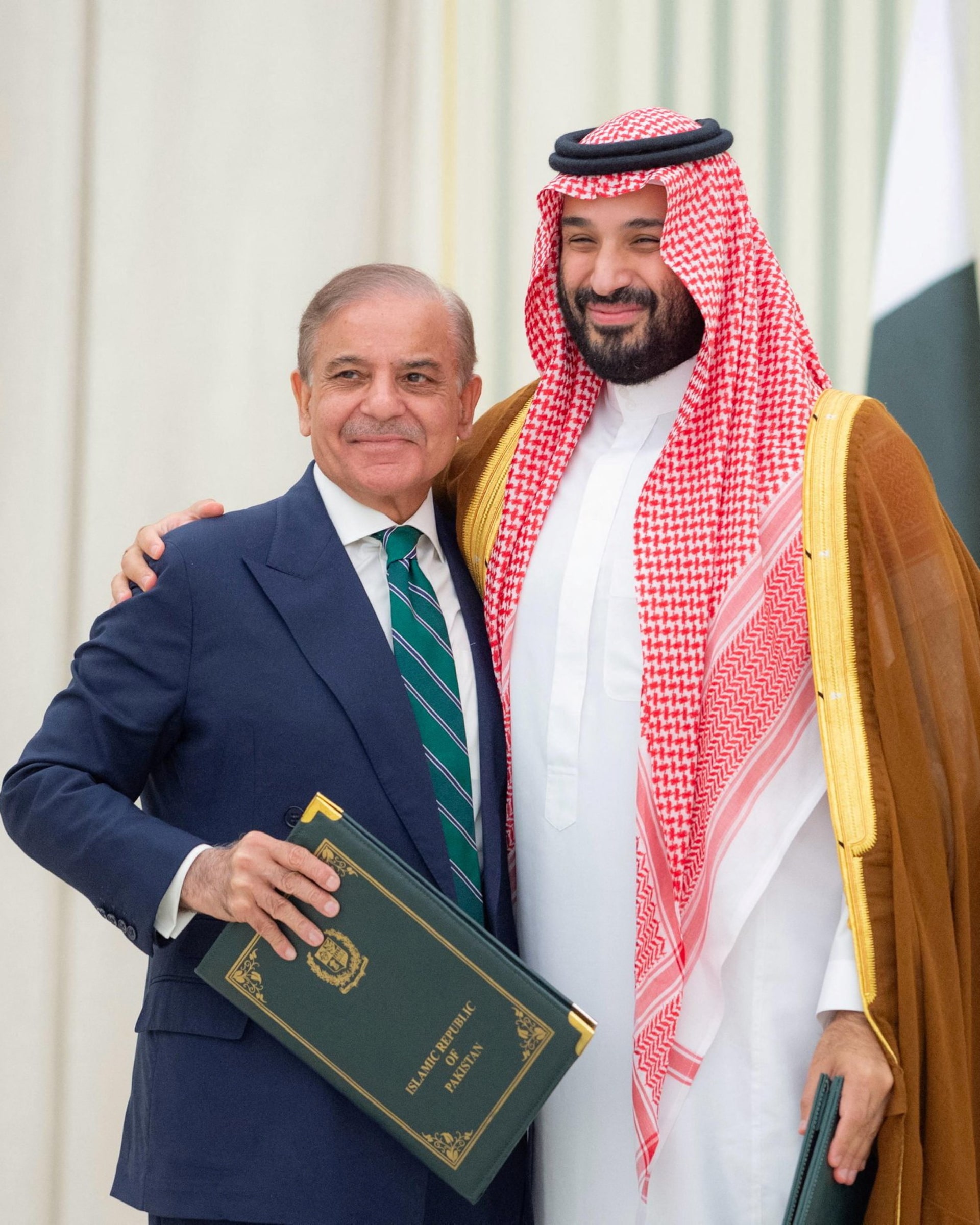
The pact, signed during Pakistani Prime Minister Shehbaz Sharif’s visit to Riyadh, includes a key clause: “any aggression against either country shall be considered an aggression against both.” Indian authorities stated that they are evaluating the implications of this formalized arrangement.
Experts suggest the deal strengthens Pakistan financially while giving Saudi Arabia a de facto nuclear shield, potentially altering West Asia’s security dynamics. Analysts also note that Israel and Iran will closely monitor the pact, and the possibility of a larger Arab alliance remains open.
This pact represents a strategic blend of financial backing and nuclear deterrence, highlighting the evolving security priorities in the region. Pakistan’s Defence Minister underscored that the arrangement respects mutual defence rights for Muslim-majority nations in the region.