
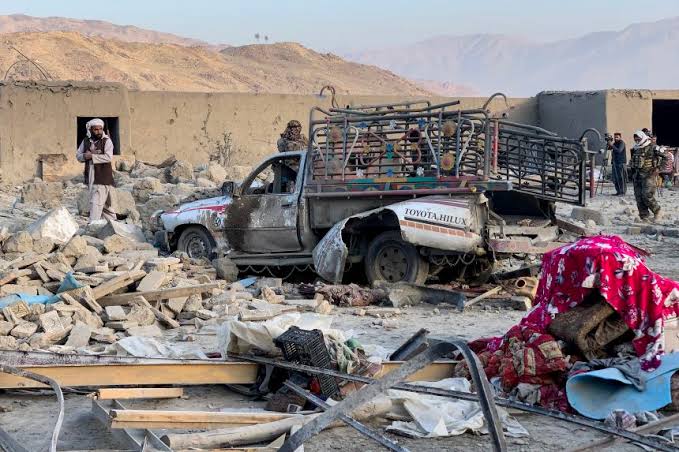

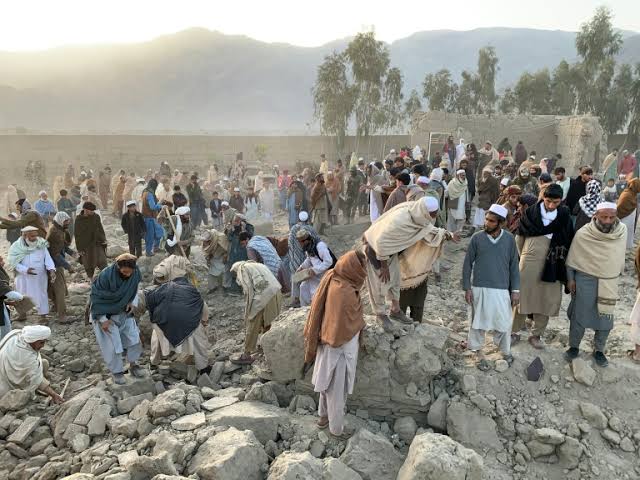
The operation comes after a surge in violence, including a suicide bombing in Bajaur district, Khyber Pakhtunkhwa, which killed 11 soldiers and a child. Authorities identified the attacker as an Afghan national. Hours earlier, a separate suicide attack on a security convoy in Bannu district killed two soldiers, including a lieutenant colonel.
Following the attacks, Pakistan’s military warned it would not exercise restraint and would continue operations against those responsible regardless of their location. Tarar emphasized that Pakistan has repeatedly urged Afghanistan’s Taliban rulers to take verifiable steps to prevent militant groups from using Afghan territory to launch attacks.
“Pakistan has always strived to maintain peace and stability in the region, but the safety and security of Pakistani citizens is paramount,” Tarar said. He also cited “conclusive evidence” linking recent attacks, including a deadly bombing at a Shiite mosque in Islamabad earlier this month, to militants acting under Afghanistan-based leadership.
Pakistan’s Foreign Office spokesperson Tahir Andrabi stated that all options remain on the table until Afghan territory is no longer used for terrorism against Pakistan. Relations between Pakistan and Afghanistan have been tense since October, when border clashes resulted in multiple casualties. While a Qatar-mediated ceasefire has largely held, formal peace talks in Istanbul did not produce an agreement.
Experts note that militant violence in Pakistan has increased in recent years, primarily due to the TTP and outlawed Baloch separatist groups. Though the TTP is distinct from Afghanistan’s Taliban, Islamabad alleges that the group operates from Afghan soil, a claim denied by both the TTP and Kabul.