
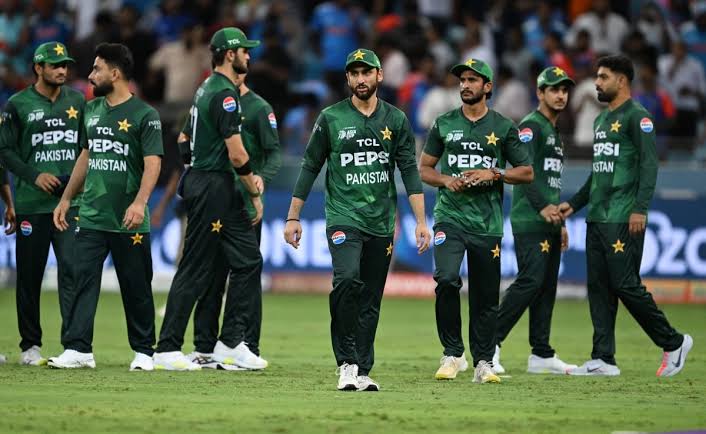
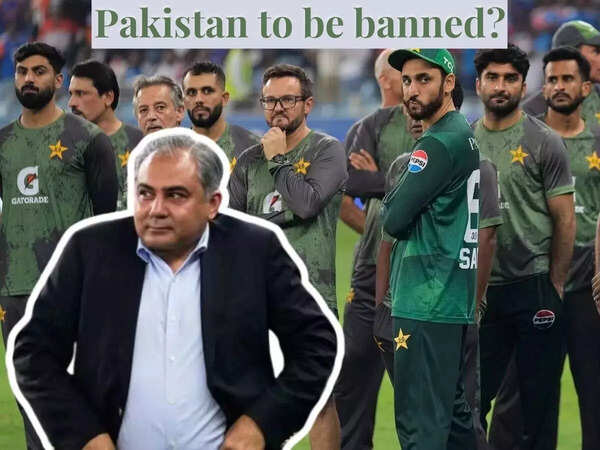

On Sunday, the Government of Pakistan addressed the issue through a social media post, confirming that the national team had been cleared to travel to Sri Lanka for the tournament. However, the statement also made it clear that Pakistan would not play against India, reigniting concerns over compliance with ICC regulations.
While the players are expected to arrive in Colombo as scheduled, the refusal to participate in just one match has complicated matters. According to officials familiar with ICC procedures, the governing body does not recognise selective participation in its global events.
ICC Agreement Leaves Little Room for Withdrawal
As per ICC’s Terms of Participation, all Full Member nations are obligated to play scheduled fixtures, including matches against each other at neutral venues. A source cited in Indian media noted that the agreement, co-signed by PCB itself, contains no force majeure clause that would justify skipping a single match.
The ICC is also expected to question whether the Pakistani government has imposed a blanket ban on sporting ties with India or has selectively blocked only this particular fixture. Experts believe this distinction could play a central role if the matter escalates to a legal dispute.
Financial and Legal Consequences Loom Large
Industry insiders warn that a refusal to play India could expose the PCB to severe financial penalties. Broadcasters, sponsors, and commercial partners may pursue compensation claims, given the enormous revenue generated by India-Pakistan matches in ICC tournaments.
A senior PCB source told news agencies that any attempt to seek relief from the ICC’s Dispute Resolution Committee is unlikely to succeed. The DRC does not entertain appeals against decisions taken by the ICC Board, leaving the PCB with limited legal recourse.
Neutral Venue Argument Weakens PCB’s Case
Observers point out that Pakistan is already playing all its T20 World Cup matches in Sri Lanka, a neutral venue chosen at its own request. This significantly weakens any argument that security or logistical concerns prevent participation.
Notably, even after recent regional tensions, the Indian government has never restricted its team from playing Pakistan at neutral venues in ICC events or the Asia Cup. This precedent is expected to be highlighted by the ICC during deliberations.
Countdown to a Defining Decision
With the tournament about to begin, the coming two days could define Pakistan’s standing within international cricket. Failure to comply may result not only in financial losses but also reputational damage and strained relations with the ICC.
As fans await clarity, cricket administrators across the globe are watching closely. The outcome could set a significant precedent on how political directives intersect with international sporting obligations.