
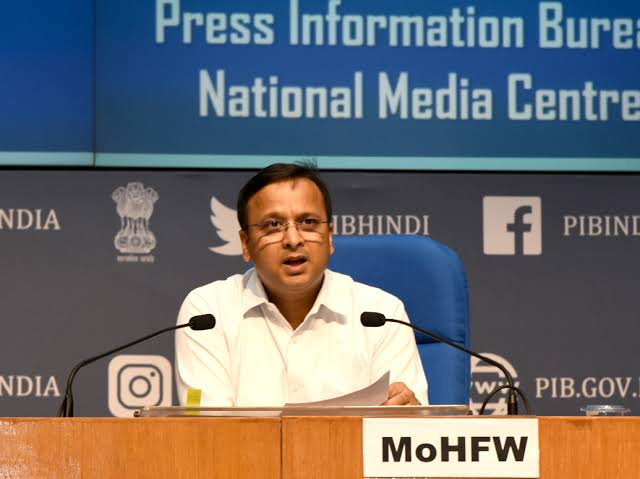
The Ministry of Health and Family Welfare has officially confirmed that Paracetamol is not banned in India. This clarification comes amid widespread rumors and viral social media posts claiming otherwise.
What Sparked the Rumors?
In recent weeks, various social media platforms circulated posts claiming that paracetamol had been banned due to adverse effects or misuse. These posts were not supported by evidence.
Responding to a question in the Rajya Sabha, Union Minister of State for Chemicals and Fertilizers Smt Anupriya Patel assured citizens that there is no such ban on the common pain-reliever and fever medication.


The confusion likely stems from the government’s earlier ban on some Fixed Dose Combinations (FDCs) involving paracetamol and other medicines.
These FDCs were banned due to safety concerns, inefficacy, or potential for misuse. However, paracetamol as a standalone drug is completely safe and remains in active use.
The CDSCO has made the full list of banned FDCs publicly available on its official website: www.cdsco.gov.in.
Regulating Drug Prices Through NPPA
The National Pharmaceutical Pricing Authority (NPPA) under the Department of Pharmaceuticals plays a key role in monitoring and regulating drug prices under the Drugs (Prices Control) Order, 2013.
For medicines listed in the National List of Essential Medicines (NLEM), including over-the-counter (OTC) drugs like paracetamol, NPPA fixes and revises the ceiling price annually based on the Wholesale Price Index (WPI).
All manufacturers must sell such scheduled medicines within the approved ceiling price. New formulations or combinations are also monitored and priced under strict regulatory conditions.
Ensuring Access to Essential Medicines
The government continues its push for accessible healthcare through the Free Drugs Service Initiative under the National Health Mission.
This initiative provides states and union territories financial support to supply essential medicines — like paracetamol — free of cost at public health facilities. The support includes procurement systems, quality checks, warehousing, and digital tracking.
Over 1,150 government hospitals and primary health centers can place quarterly drug demands via the DVDMS (Drugs and Vaccine Distribution Management System), ensuring seamless drug availability.
Essential Medicines Lists by Facility
The Ministry recommends customized Essential Medicines Lists (EML) for various healthcare levels:
- Sub Health Centres – 106 medicines
- Primary Health Centres – 172 medicines
- Community Health Centres – 300 medicines
- Sub-District Hospitals – 318 medicines
- District Hospitals – 381 medicines
States also have the flexibility to add additional drugs based on local needs. Paracetamol is a common inclusion across all these lists due to its wide therapeutic use.
Transparent Drug Monitoring System
The government uses the DVDMS dashboard to monitor supply chain activities nationwide. States like Tamil Nadu and Rajasthan have already extended this portal’s usage down to sub-health centers.
This ensures no stockouts of critical medicines like paracetamol, especially in rural and underserved areas.
Final Word: Don’t Believe the Rumors
In conclusion, there is no ban on paracetamol. It continues to be an essential, affordable, and accessible drug in India’s healthcare system.
Citizens are urged to rely on verified government sources like CDSCO or NPPA for authentic updates and avoid spreading misinformation on social media.