

What’s on the legislative table
The government has listed nine economic bills for discussion and passage during the session. Top items include the Insurance Laws (Amendment) Bill, 2025 which proposes raising the foreign direct investment (FDI) cap in insurance to 100%. Advocates say the change aims to modernise capital flows into insurance and improve product variety.
Also on the agenda: the Central Excise (Amendment) Bill, 2025 and the proposed Health Security and National Security Cess Bill, 2025 measures intended to rework taxation on tobacco and pan masala and introduce a dedicated cess for specified manufacturing processes. The government frames the move as a way to channel funds to public health and national security priorities.

The Securities Markets Code Bill, 2025 designed to consolidate multiple laws governing capital markets into a single, unified code is expected to be tabled to streamline compliance and promote ease of doing business for listed entities and intermediaries. Parallel reforms in corporate law and insolvency regulations also feature on the list.
Session dynamics: politics, process and protest risks
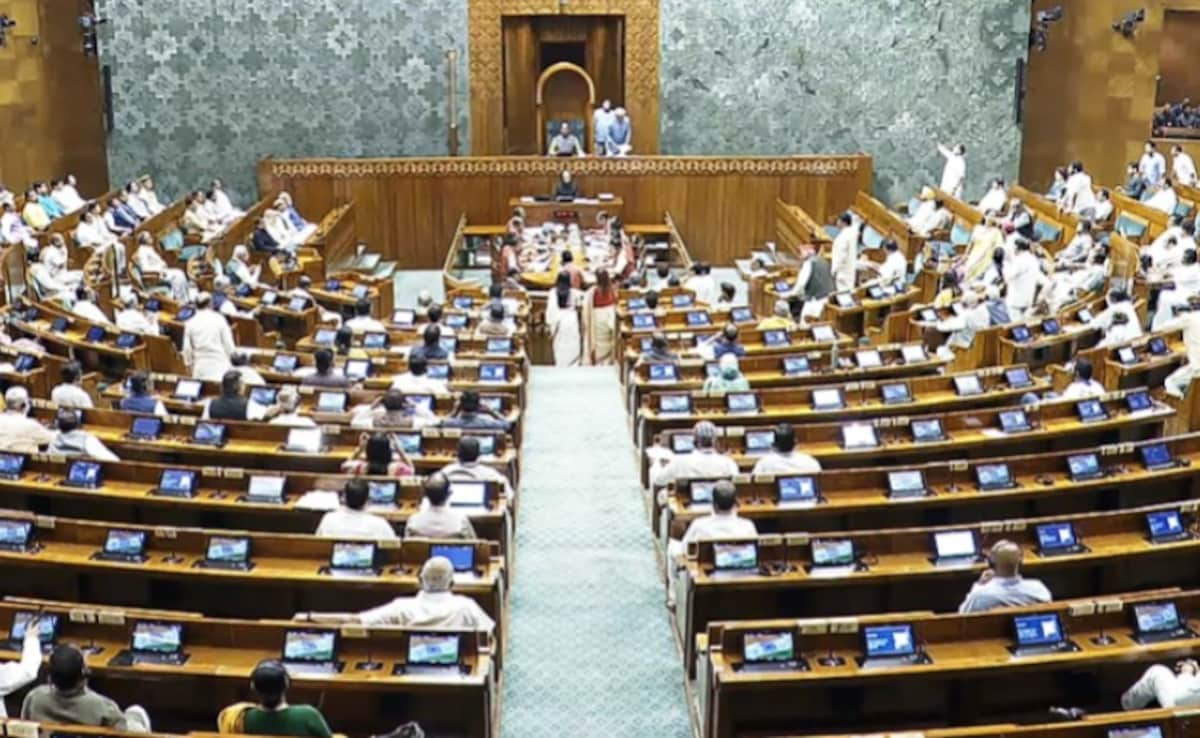
The ruling party and Opposition are already preparing for contested proceedings. Opposition leaders have signalled intent to press issues such as the Special Intensive Revision (SIR) and high-profile security incidents, which could lead to heated debates or disruptions. The government held an all-party meeting ahead of the session, chaired by senior ministers, to agree on procedures a sign of both cooperation and caution.
Supplementary demands and fiscal context
Alongside legislation, the first batch of Supplementary Demands for Grants for 2025–26 will be presented a routine but important fiscal exercise that adjusts allocations mid-year. Observers will watch how these demands interact with broader policy priorities such as health spending, infrastructure and defence.
What industry and investors should watch
Insurers and capital market participants will closely monitor the insurance FDI and securities-code proposals; excise and cess changes could materially affect tobacco and pan-masala manufacturers and the wider FMCG sector. Changes to insolvency and corporate rules will also impact creditor rights and restructuring pathways.