
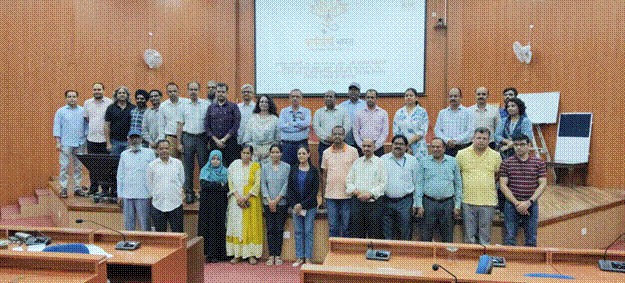
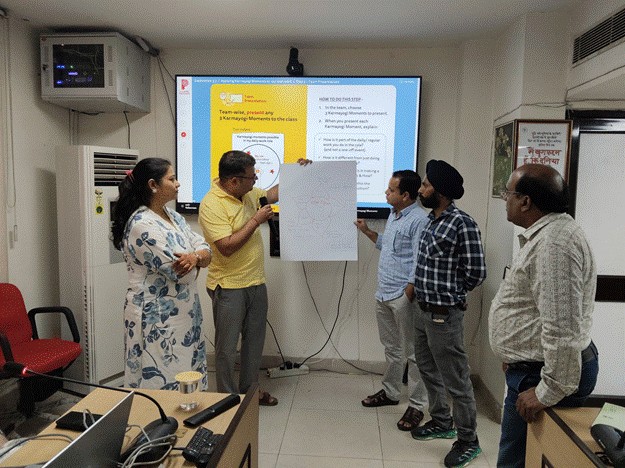

Mission Karmayogi and the Rashtriya Karmayogi Jan Seva Programme are pivotal initiatives designed to transform governance and instill a spirit of ‘Seva Bhav’ (service orientation) among public servants. Through the iGOT Karmayogi platform, continuous professional development is offered, ensuring that government employees stay updated in competencies and ethical standards while fostering a citizen-centric approach.
Participants were encouraged to integrate learnings into their professional roles, reinforcing the mission’s objectives of accountability, professionalism, and superior public service delivery. The training highlighted the importance of ongoing capacity building to meet the evolving expectations of citizens and ensure effective governance.
Digital Transformation in Public Service
The session also underscored the role of technology in enhancing efficiency and transparency in public administration. PCIM&H’s commitment to developing a skilled, responsive, and future-ready workforce aligns with the Capacity Building Commission’s vision, reflecting India’s broader strategy to leverage digital tools for improved governance.
Attendees actively participated in the sessions, expressing enthusiasm for the practical tools and insights provided. The training reaffirmed the participants’ dedication to professional growth and public welfare, equipping them to contribute more effectively to citizen-centric initiatives.