
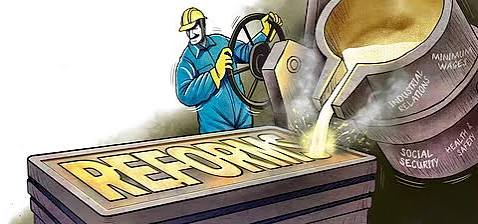


The OSHWC Code, 2020 introduces a comprehensive national safety system for petroleum facilities. Mandatory hazard identification, risk assessment, and operational approvals now ensure standardized handling, storage, and transportation of flammable, toxic, and cryogenic materials. This includes pressurized LPG, LNG, benzene vapors, and hydrogen sulfide, along with high-temperature processes that expose workers to thermal and chemical hazards.
Worker protections have been strengthened with pre-employment, periodic, and post-exposure medical surveillance. Annual health check-ups are now free for all personnel engaged in hazardous operations. Competency-based training and certification are mandatory before handling hazardous chemicals, and modern protective equipment standards are enforceable, including fatigue control through 8-hour shift limits.
Emergency preparedness has become enforceable rather than merely procedural. On-site emergency plans, regular mock drills, and integrated incident command structures ensure effective response. Workers also gain the legal right to refuse unsafe work, and protective provisions for pregnant women and adolescents in petroleum installations are reinforced.
Social Security Code Strengthens Welfare Measures
The Social Security Code, 2020 extends ESIC coverage to petroleum sector workers, ensuring access to medical care, occupational injury compensation, disability and dependents’ benefits, maternity protection, and support for occupational diseases. Digital records enhance transparency, portability, and compliance accountability, reducing administrative delays and ensuring timely delivery of welfare services.
Unified Regulatory Oversight
The OSHWC Code’s inspector-cum-facilitator model combines risk-based inspections with single-window digital approvals, simplifying compliance while reinforcing governance. This reduces procedural bottlenecks across multi-location refineries, pipelines, and fuel depots, enabling a cohesive regulatory approach for petroleum operations nationwide.
With these reforms, petroleum companies benefit from clearer regulatory expectations, enhanced operational discipline, and workforce empowerment. This proactive safety and welfare framework mitigates risks, improves workforce health and productivity, and ensures internationally recognized safety compliance.
Conclusion: Safer, Skilled, and Resilient Petroleum Sector
Collectively, the OSHWC and Social Security Codes transition the petroleum sector from a reactive, compliance-heavy system to a prevention-focused, technology-enabled, and welfare-centric framework. Integrated medical monitoring, emergency readiness, competency-based training, and enforceable safety protocols strengthen industrial resilience. Workers enjoy enhanced protections and welfare benefits, while petroleum operations become safer, more efficient, and globally compliant.
These measures foster a robust safety culture, minimize disruptions, and elevate India’s petroleum sector standards to match international benchmarks.