 India–EFTA TEPA: A Platform for Growth
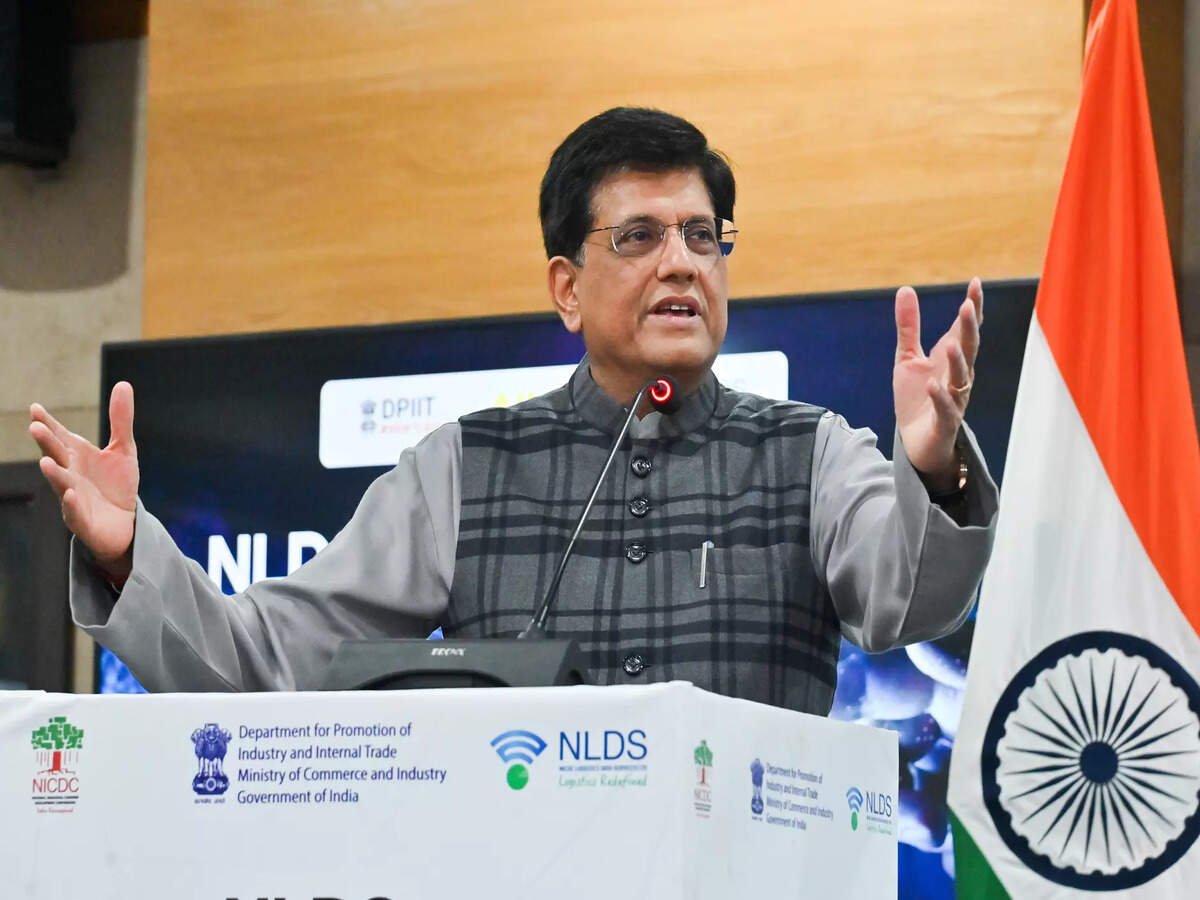
TEPA, India’s first free trade agreement with the developed EFTA nations (Iceland, Liechtenstein, Norway, and Switzerland), demonstrates the growing quality and diversity of Indian exports and the nation’s manufacturing capabilities under “Make in India” and “Make for the World”. Shri Goyal stressed that TEPA signifies a higher-quality economic relationship, leveraging India’s scale, competitiveness, and manufacturing reliability.
The Minister outlined India’s growth story as the world’s fourth-largest economy, with a projected GDP of USD 4.13 trillion in 2025. He showcased India’s expanding consumer market, robust industrial base, infrastructure-driven competitiveness, and strong reform momentum as key advantages for long-term trade and investment partnerships.
Strategic Industry and Investment Engagement
During the visit, Shri Goyal engaged with Liechtenstein businesses, promoting industry-to-industry collaborations, higher value addition, supplier linkages with Indian MSMEs, and India-based production for global operations. He invited Liechtenstein enterprises to leverage TEPA to expand their presence in India, build manufacturing and innovation partnerships, and benefit from India’s dynamic market opportunities.
Both sides also discussed the global business environment, emphasizing how India’s scale and talent can complement Liechtenstein’s specialised industrial capabilities and financial expertise to create resilient value chains. TEPA aims to facilitate USD 100 billion in investments into India and generate one million direct jobs.
TEPA Market Access and Sector Highlights
- India offers access to 82.7% of tariff lines, covering 95.3% of EFTA exports, with protections for sensitive sectors including pharma, medical devices, processed food, dairy, soya, and coal.
- EFTA offers 100% tariff-free access for non-agricultural products and concessions for Processed Agricultural Products (PAP), with sensitivity to PLI sectors.
- Over 80% of EFTA imports, primarily gold, retain no effective duty changes.
The visit concluded with an emphasis on strengthening India–Liechtenstein and India–EFTA engagement, encouraging participation in trade and investment events, and building deeper technology and manufacturing partnerships.