
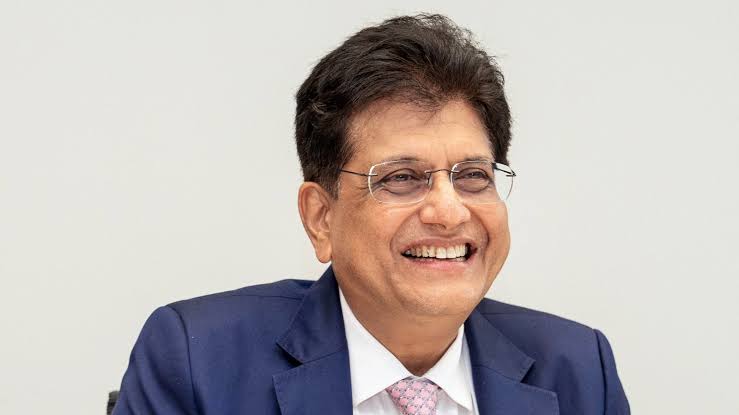
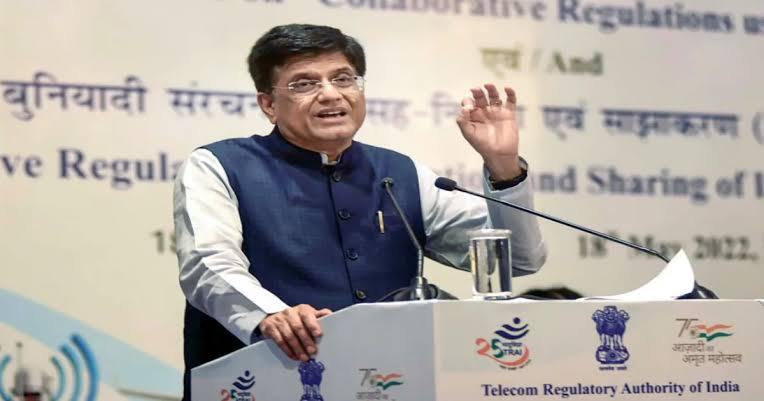

Referring to lessons from the COVID-19 pandemic and recent global disruptions, Shri Goyal stressed the need for resilient supply chains and local control over essential technologies. He said the past few years have shown how crucial self-reliance and preparedness are for national and economic security.
The Minister praised TiE’s efforts in inspiring youth and entrepreneurs to explore deep technology fields, noting that the conference marked an important milestone in India’s technological evolution.
India’s Digital Revolution and Economic Rise
Shri Goyal reflected on India’s digital transformation since the launch of the Digital India initiative in 2014. The country has grown from 250 million internet users to over one billion today. This rapid expansion, he said, has powered the success of flagship programs such as Jan Dhan Yojana, Aadhaar, PM-Kisan, and Direct Benefit Transfers, ensuring transparency and direct reach.
He noted that India’s rise to the world’s fourth-largest economy, and its projected ascent to the third spot within two years, is rooted in technological innovation and the digital economy.
Vision for a Deeptech-Driven India
Outlining the government’s deeptech roadmap, Shri Goyal highlighted domains like artificial intelligence, quantum computing, defence and space technologies, machine learning, and the semiconductor mission. He explained that deeptech goes beyond individual technologies, fostering a nationwide culture of curiosity, research, and innovation.
“The government is working hand-in-hand with academia, startups, and industry leaders to build a robust deeptech ecosystem,” he added, underscoring the importance of intellectual property creation and global competitiveness.
Major Initiatives for Innovation Funding
The Minister announced the upcoming launch of the second edition of the Startup Fund of Funds, focusing primarily on early-stage investments in deeptech ventures. This fund will provide risk capital to help Indian innovators retain ownership and independence while scaling their technologies.
He also revealed the establishment of a ₹1 lakh crore Anusandhan Fund roughly USD 12 billion dedicated to research, innovation, and long-term technological development. These measures, Shri Goyal said, reflect Prime Minister Narendra Modi’s vision of reducing reliance on foreign technologies and critical imports.
Harnessing India’s Talent Power
With India producing 15 lakh engineers and 24 lakh STEM graduates annually the highest globally Shri Goyal emphasized the nation’s potential to lead in innovation. “The world now looks at India as the capital of talent and skill,” he said, encouraging startups to innovate fearlessly and think globally.
He compared India to a ship built to explore the seas rather than remain docked safely, symbolizing the country’s entrepreneurial spirit and readiness to lead global technological progress.
Collaborative Growth and Global Leadership
Calling for collaboration among investors, startups, and institutions, Shri Goyal invited industry bodies like TiE and alumni networks from premier institutions such as the IITs to work together in advancing India’s technological goals. He assured that his ministry remains open and accessible to innovators contributing to the nation’s deeptech journey.
He concluded by urging all stakeholders to transform India into a global hub for deeptech innovation, driving the technologies that will define the future.