
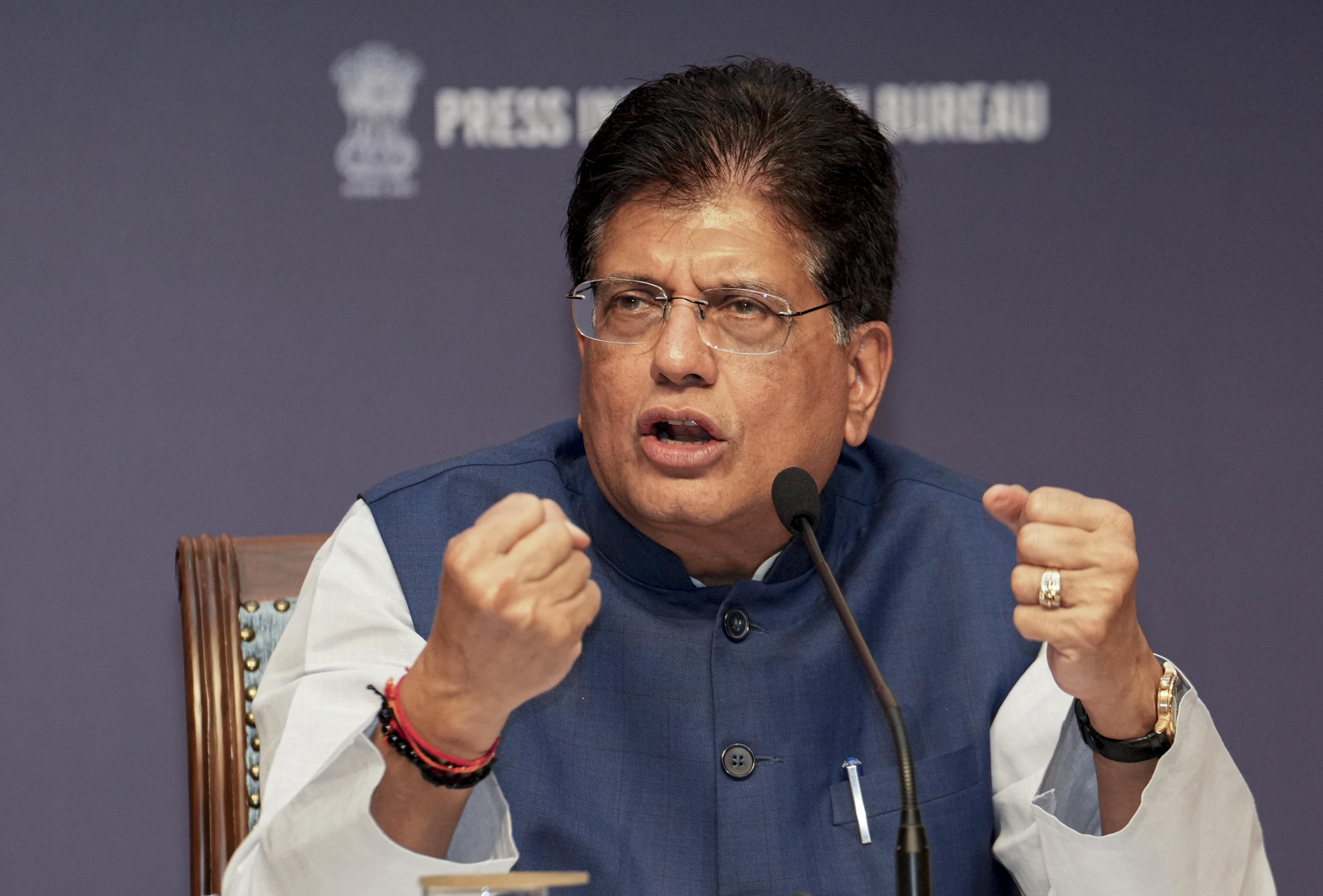


Shri Goyal pointed to the Jan Vishvas Bill as a key reform that reduces procedural friction and lowers compliance burdens on businesses. He said the legislation simplifies multiple regulatory requirements, which in turn improves the business environment for traders and small enterprises.
The Minister welcomed suggestions for further simplification, including the proposal for a pilot “One Nation, One License” model. He recommended that states like Delhi and Maharashtra could test a single online portal that integrates state and municipal trade licences, making licensing more transparent and efficient for businesses.
Labour Codes: Benefits for Workers and Employers
Addressing concerns of workers’ welfare, Shri Goyal noted that the four recently implemented Labour Codes will significantly benefit unorganised and gig workers. Under the new framework, workers will face fewer forms, inspections and overlapping regulations, helping them access social security and safer work conditions.
“The new codes simplify processes and provide clearer pathways to benefits,” the minister said, adding that both employers and employees have largely welcomed the changes. He emphasised that streamlined labour laws will help formalise employment while protecting worker rights.
Promoting Swadeshi and Transparency in Supply Chains
Shri Goyal called upon traders to actively promote Swadeshi and “Made in India” goods. He urged suppliers to clearly state manufacturing locations on product packaging and suggested that retail outlets display signage indicating the availability of Swadeshi products.
The minister linked the promotion of domestic products to broader national goals, saying it will boost local manufacturing, strengthen supply chains and create market visibility for Indian producers.
Policy Push to Strengthen MNC & MSME Ecosystem
Shri Goyal reiterated that government policies in recent years—covering fiscal and regulatory measures—aim to create a conducive environment for both multinational investments and micro, small and medium enterprises (MSMEs). He highlighted ongoing work to harmonise central and state-level regulations to attract investment while supporting small traders.
He also stressed skill development and technology adoption as essential complements to regulatory reform, noting that enhanced skilling would help workers move up the value chain and access better employment opportunities.
Commemorating Guru Tegh Bahadur’s Legacy
The minister recalled the sacrifice of Guru Tegh Bahadur, whose legacy is being commemorated after nearly 350 years. He linked the Guru’s ideals of service and sacrifice to the nation’s larger aspirations, asserting that remembering such values will inspire growth, unity and honour across India.
What Traders and Workers Can Expect
Key takeaways for traders and workers from Shri Goyal’s address include:
- Simplified licensing procedures and digital portals to reduce compliance time.
- Implementation of Labour Codes to benefit unorganised and gig workers.
- Encouragement for retailers to promote Swadeshi goods with clear labelling.
- Pilot ideas like One Nation One License to be explored with willing states.