
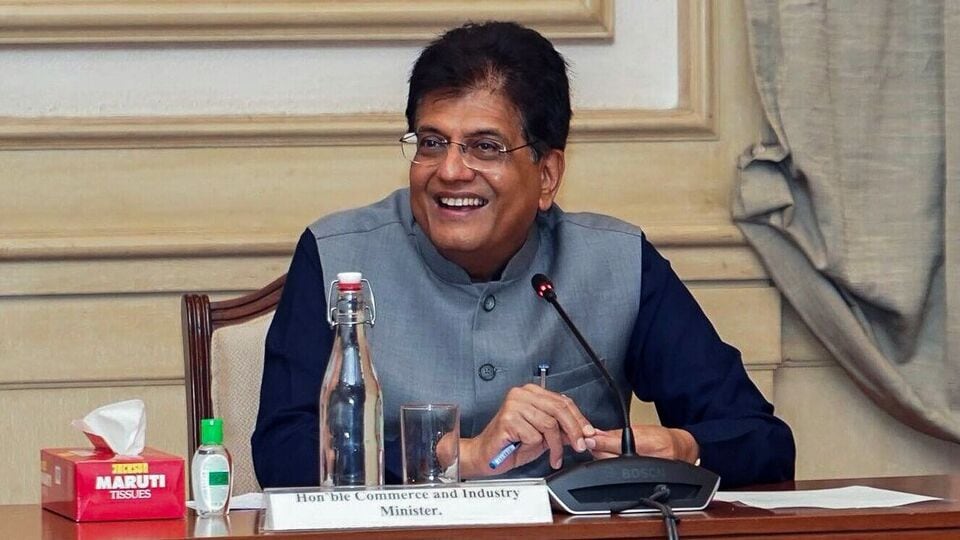
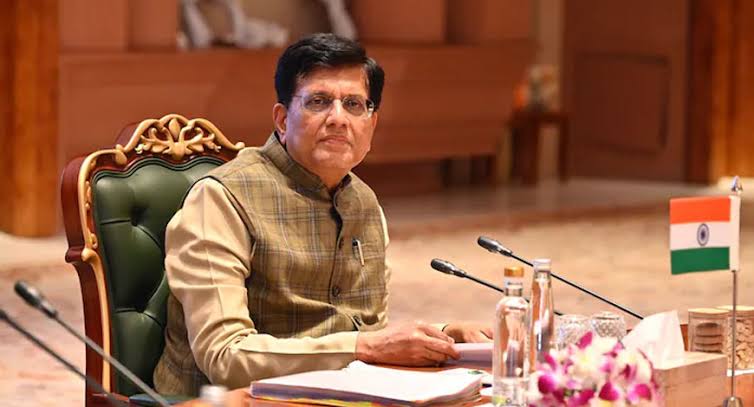

Addressing the plenary session of the India–Brazil Business Forum in New Delhi, the Minister noted that bilateral trade has grown by 25 per cent over the past year to reach USD 15 billion. However, he described this figure as “suboptimal” given the scale and potential of the two economies.
Referring to the vision articulated by President Luiz Inácio Lula da Silva and Prime Minister Narendra Modi, Shri Goyal expressed confidence that India and Brazil can “grow faster, grow bigger and grow together” to ensure shared prosperity.
Natural Partners in a Changing World
The Minister described India and Brazil as natural partners, united by democracy, diversity and developmental aspirations. Over the years, the bilateral relationship has evolved into a strong strategic partnership supported by vibrant people-to-people connections and sectoral collaboration.
Brazil remains India’s largest trading partner in the Latin America and Caribbean region. Cooperation has expanded in defence, energy, agriculture and agrochemicals, with growing interest in advanced manufacturing and innovation-driven sectors.
Collaboration Across Global Platforms
Shri Goyal highlighted the broader framework of engagement, pointing to collaboration under BRICS, IBSA, the G20 and the World Trade Organization. He emphasized the importance of South-South cooperation in addressing global economic challenges and fostering inclusive growth.
He reaffirmed India’s commitment to strengthening ties within the MERCOSUR bloc and announced efforts to expand the India–MERCOSUR Preferential Trade Agreement. The goal, he said, is to enhance market access, boost investments and promote technology partnerships while encouraging exchanges in sports, education and culture.
India’s Expanding Trade Footprint
Outlining India’s broader trade strategy, the Minister said India has emerged as a trusted and reliable global investment destination. He revealed that India attracted nearly USD 80 billion in foreign direct investment in the financial year 2025 the highest ever recorded in a single year.
India has also concluded several high-quality Free Trade Agreements and is actively negotiating more. With these agreements in place, India now enjoys preferential access to nearly two-thirds of global trade.
He informed that terms of reference have been finalized with Israel and the Gulf Cooperation Council, discussions have begun with Canada, and further negotiations are expected to commence soon. These agreements, he noted, will support Indian industry in expanding both domestically and internationally.
India’s Economic Momentum
Shri Goyal emphasized that the engagement comes at a time when India is the world’s fastest-growing major economy. Real GDP growth in the second quarter exceeded 8 per cent, reflecting sustained structural reforms since 2014.
He added that India is on track to surpass Germany within two years to become the world’s third-largest economy. Reforms in taxation, logistics, digital infrastructure, manufacturing and ease of doing business have strengthened India’s economic foundation.
Brazil’s Strategic Strengths
Highlighting Brazil’s capabilities, the Minister pointed to its abundant natural resources such as niobium, lithium and iron ore, which are critical for the global energy transition and emerging technologies. Brazil’s strengths in agriculture, aerospace, automotive and digital technologies offer immense opportunities for collaboration.
He invited Brazilian companies to partner with Indian firms in co-creating jobs, adding value and leveraging innovation to reshape global value chains.
Shared Vision for the Future
Reaffirming mutual respect for national interests and equitable intellectual property frameworks, Shri Goyal said both nations remain committed to protecting indigenous technologies. He recalled that during Prime Minister Narendra Modi’s State Visit to Brazil in July 2025, both leaders agreed to deepen the strategic partnership.
Concluding his address, the Minister expressed confidence that the current engagement would help chart a forward-looking agenda for stronger bilateral cooperation rooted in innovation, trust and shared prosperity.