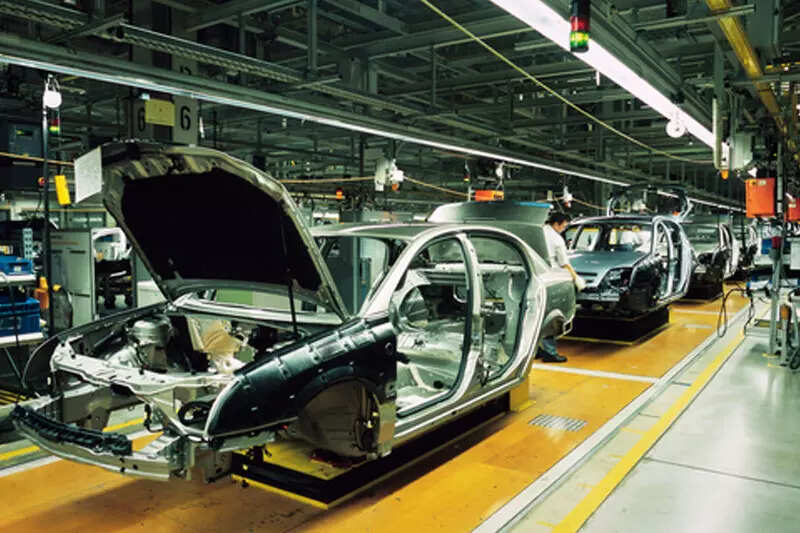
New Delhi, December 9, 2025: The Production Linked Incentive (PLI) Scheme for Automobile and Auto Components has approved 82 applicants as of November 30, 2025, aiming to accelerate domestic manufacturing of Advanced Automotive Technology (AAT) products. The scheme carries a budgetary outlay of ₹25,938 crore and sets an ambitious eligible sales target of Rs. 2,31,500 crore over the base year FY2019–20, to be achieved by March 2028.
Early traction: disbursals and sales so far
Implementation has moved from commitment to cash support: through November 30, 2025, incentives totaling ₹1,350.83 crore have been disbursed to five applicants. Sales under the scheme have recorded Rs. 32,879 crore up to September 30, 2025 a first measurable indication of production and market uptake under PLI Auto.
Officials emphasise that disbursals will scale as production ramps up, with multiple approved applicants operating several manufacturing units across states.
 Participants and product focus
The 82 approved applicants span leading original equipment manufacturers (OEMs) and component champions. Champion OEMs on the list include names such as Ashok Leyland, Bajaj Auto, Hyundai Motor India, Mahindra & Mahindra, Maruti Suzuki, Tata Motors and Kia India. Component champions include major suppliers and technology firms like Bharat Forge, Bosch, Motherson, Varroc, TVS Group companies, Sona BLW and Valeo India.
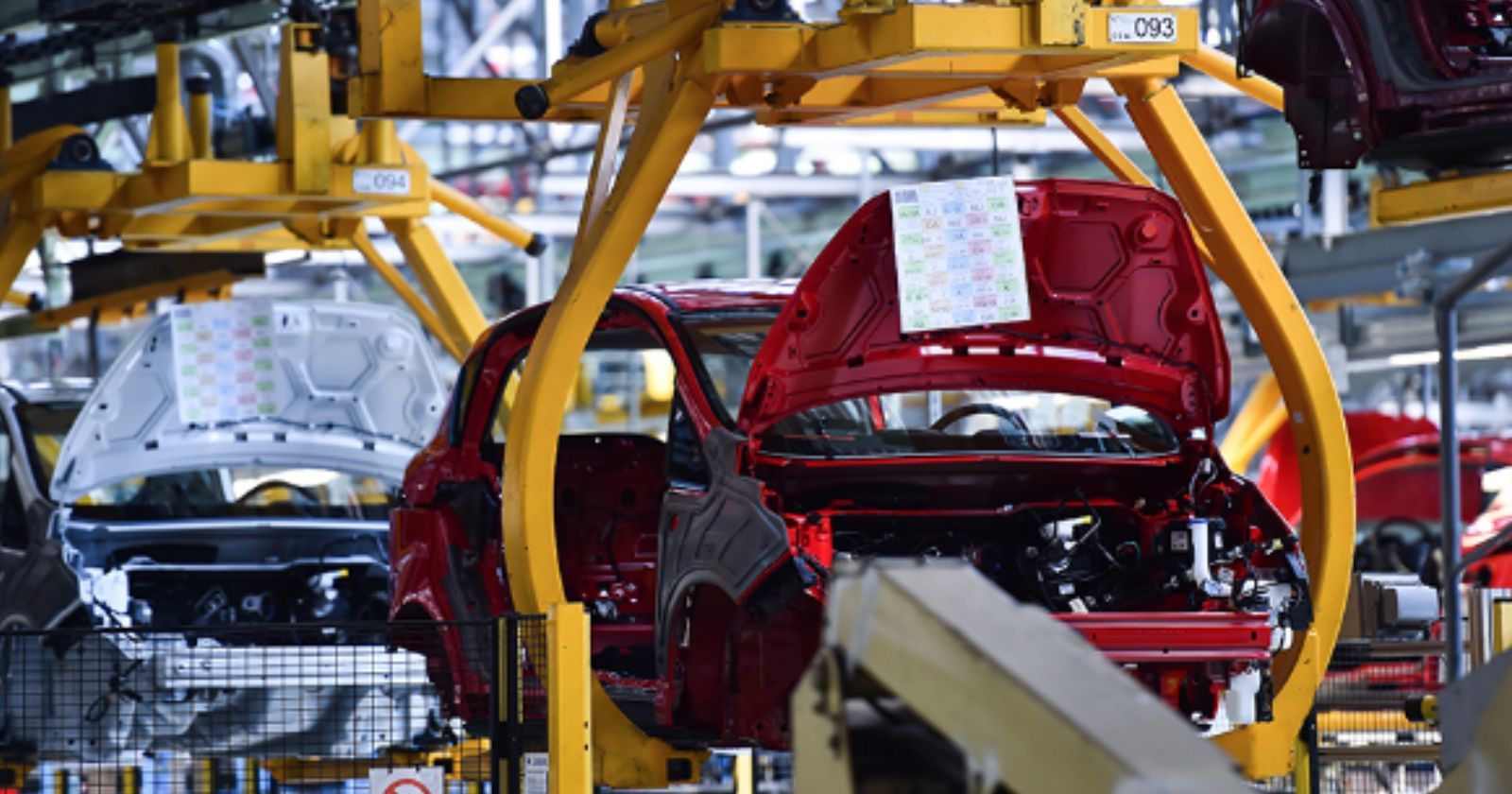
Approved firms are manufacturing a range of AAT products from electric powertrains and battery components to advanced electronics and power electronics modules reflecting a deliberate push to deepen the EV value chain in India.
Manufacturing footprint across India
The scheme has catalysed geographic spread: a total of 278 manufacturing units are listed across Indian states. Maharashtra leads with 85 units, followed by Tamil Nadu (49) and Haryana (43). Karnataka hosts 29 units, while Gujarat has 14. Other states including Andhra Pradesh, Uttar Pradesh, Rajasthan and Uttarakhand are part of the manufacturing network.
This distribution suggests PLI Auto is supporting both established automotive clusters and emerging manufacturing hubs, which can help balance industry growth and local employment opportunities.
Domestic Value Addition and EV localisation
One of the PLI Auto scheme’s central instruments is the Domestic Value Addition (DVA) requirement that incentivises localisation. The DVA clauses compel suppliers and OEMs to source more components domestically, which in turn is accelerating localisation of battery packs, electric motors, power electronics and thermal management systems.
Officials note that increased EV adoption is both a driver and a beneficiary of localisation: as markets expand, suppliers scale up local production, reducing import dependence and improving supply resilience.
Incentive structure and market signals
The PLI model ties incentives to incremental sales of eligible AAT products over a base year, encouraging firms to build local capacity and compete on quality and scale. Early disbursals signal that production milestones are being met and market demand is emerging for domestically produced AAT components.
The scheme’s emphasis on competitive manufacturing and technology transfer aims to transform India from an assembly destination to a deeper manufacturing hub for future mobility technologies.
Challenges and outlook
While the PLI Auto scheme has shown early momentum, challenges remain: scaling high-value component manufacturing, Readiness of ancillary suppliers, workforce skill development and strengthening R&D linkages. Continued coordination between industry, states and the centre will be vital to translate approvals into sustained capacities and exports.
Policy watchers will also track how incentives translate into job creation, local supply chains and the speed of DVA fulfilment as firms ramp production towards the March 2028 targets.
Further information
Full lists of approved applicants and state-wise manufacturing units are available from official government publications.