 PLI Focus on Millet-Based Products
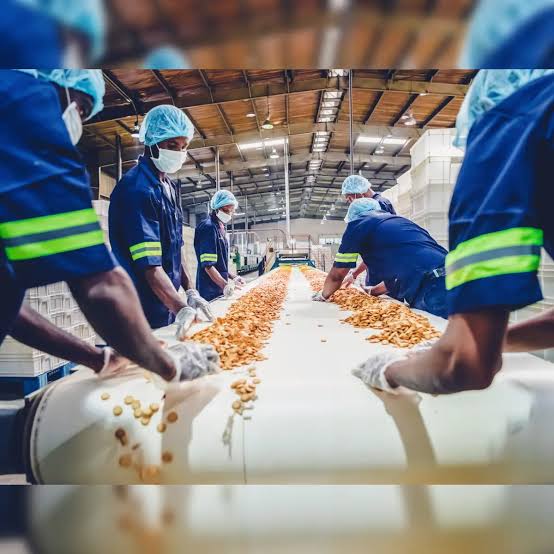
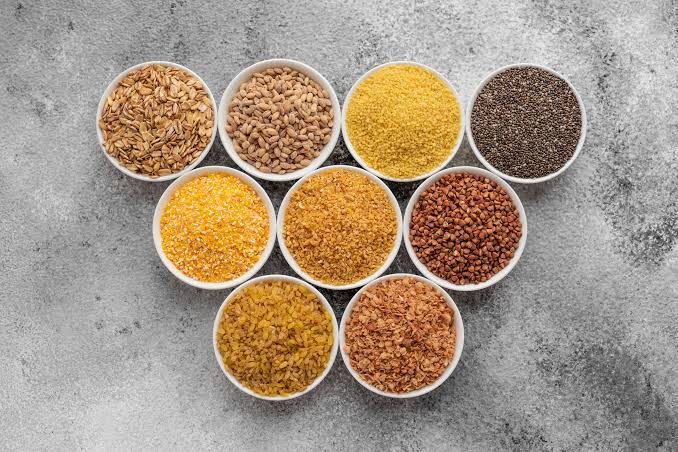
The PLI Scheme for Millet-Based Products (PLISMBP) aims to increase millet usage in processed foods by incentivising manufacturing and sales of selected products. As of now, 29 applicants have been approved under this component, covering 45 locations across the country. These units represent a wide regional spread, reflecting the government’s intent to decentralise food processing infrastructure.
Among the approved projects is a millet processing unit in Mandla district of Madhya Pradesh, highlighting the scheme’s outreach to aspirational and tribal districts. By encouraging local processing, the scheme is helping reduce post-harvest losses, improve value realisation for farmers and generate rural employment.
Support Beyond PLI: PMFME and PMKSY
In addition to PLISMBP incentives, millet-based food processing units are also eligible for assistance under other MoFPI schemes such as the Pradhan Mantri Formalization of Micro Food Processing Enterprises (PMFME) and the Pradhan Mantri Kisan Sampada Yojana (PMKSY). These schemes provide financial, technical and infrastructural support, particularly benefiting micro and small enterprises.
The convergence of these schemes ensures that enterprises at different stages of growth from small household units to larger manufacturers can access tailored support. This integrated approach is helping build a robust millet processing value chain, from farm gate to global markets.
Strong MSME Participation
MSMEs form the backbone of India’s food processing sector, and their participation under PLISFPI has been substantial. Out of 169 applicants approved for incentives under the overall scheme, 69 belong to the MSME category. Additionally, 40 contract manufacturing units associated with main applicants are also MSMEs.
This high level of MSME involvement underscores the scheme’s inclusive design. By lowering entry barriers and providing performance-linked incentives, PLISFPI is enabling smaller enterprises to scale up operations, adopt modern technology and meet quality standards required for organised retail and exports.
Boost to Exports and Innovation
India’s millet push is also aligned with export promotion efforts. The Agricultural and Processed Food Products Export Development Authority (APEDA) has launched the “BHARATI” initiative—Bharat’s Hub for Agritech, Resilience, Advancement and Incubation for Export Enablement—to support agri-food and agri-tech startups.
BHARATI aims to accelerate innovation, mentor young entrepreneurs and open new export avenues for value-added products, including millet-based foods. With global demand rising for healthy and sustainable food options, India’s traditional grains are finding renewed relevance in international markets.
Millets at the Centre of Nutrition and Sustainability
Millets are climate-resilient crops requiring less water and inputs compared to conventional cereals. Their promotion supports India’s nutritional security goals while contributing to sustainable agriculture. By incentivising processing and branding, the PLI scheme is helping reposition millets from subsistence grains to premium, health-focused products.
The government believes that improved processing capacity, combined with targeted incentives and export facilitation, will strengthen India’s position as a global hub for millet-based foods. This approach also complements national campaigns such as “Shree Anna” and broader efforts to mainstream nutritious diets.
Government’s Assurance in Parliament
Responding to a query in the Rajya Sabha, Minister of State for Food Processing Industries Shri Ravneet Singh highlighted the tangible impact of PLISFPI on millet processing capacity and MSME participation. He reiterated the government’s commitment to supporting innovation, entrepreneurship and value addition in the food processing sector.
As implementation progresses toward the end of the scheme period in 2026–27, stakeholders expect further capacity expansion, improved market access and stronger farmer-industry linkages, reinforcing millets as a pillar of India’s agri-food economy.