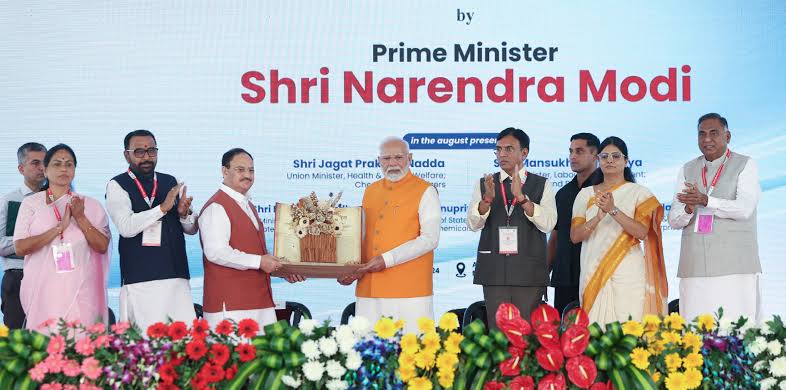
Prime Minister Narendra Modi shared an article by Union Minister Prataprao Jadhav that underscores India’s long-term strategy to promote traditional medicine linking heritage, scientific validation and sustainability to strengthen public health and global cooperation.
 PM amplifies Jadhav’s message
On 24 November 2025 the PMO India handle shared Minister Prataprao Jadhav’s article, calling it a “must-read” about India’s initiatives to bring traditional medicine into mainstream health planning. The Prime Minister highlighted three guiding ideas from the piece: health must heal, progress must sustain, and science must serve. The post signalled government intent to position traditional medicine as complementary to modern healthcare.
Policy thrust: heritage plus evidence
Jadhav’s article amplified by the Prime Minister argues for combining India’s vast traditional knowledge with modern research methods. The aim is to validate therapies through rigorous clinical studies, standardise formulations, and build regulatory clarity so traditional systems can be effectively integrated into primary health care.
Officials say this approach is meant to reassure both patients and international partners that traditional therapies will meet global standards while retaining cultural authenticity.
Three strategic priorities
The shared article outlines three priorities: scientific validation, sustainable supply chains and global outreach. First, research institutions and AYUSH centres are being encouraged to undertake multidisciplinary trials to test efficacy and safety. Second, supply-chain reforms aim to ensure sustainable sourcing of medicinal plants and promote value addition in rural communities. Third, diplomatic and trade channels will be used to deepen international exchanges and regulatory cooperation.
Empowering communities and protecting biodiversity
Jadhav emphasises that traditional medicine development must protect biodiversity and benefit local communities. Initiatives include incentivising cultivation of medicinal species, supporting small producers, and ensuring fair benefit-sharing with indigenous practitioners. These measures seek to balance commercialisation with conservation and social equity.
Integration with modern health systems
The article advocates practical integration models: co-located AYUSH units in public hospitals, referral protocols between systems, and joint training modules for health professionals. Advocates argue that such integration can expand access to preventive care, chronic disease management and rehabilitative therapies, reducing pressure on tertiary hospitals.
Science, standards and global acceptance
Scientific credibility is central to the government’s pitch. Standardised formulations, pharmacovigilance, and peer-reviewed evidence are priorities to enable acceptance in global markets and to facilitate regulatory recognition abroad. The government’s outreach aims to build collaborative research partnerships with universities and regulatory agencies worldwide.
Economic and diplomatic dimensions
Beyond health, Minister Jadhav links traditional medicine to livelihoods and exports. Strengthened value chains, quality control and branding could expand market opportunities for herbal products and wellness services, while also serving as a soft-power instrument in India’s international engagement.
Critiques and safeguards
Observers welcome increased attention but note safeguards are necessary: transparent clinical evidence, consumer protection, and strict monitoring against misleading claims. Experts argue that the balance between promotion and protection must be maintained so public trust is preserved.
Looking ahead
The Prime Minister’s sharing of the article raises the profile of policy measures already underway from research funding to export facilitation. If implementation focuses on evidence, sustainability and community welfare, India’s effort to mainstream traditional medicine could become a model for combining heritage with science.