
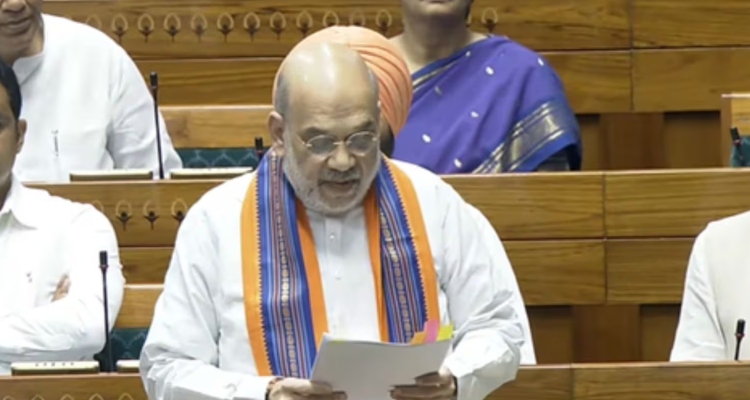


The amendment inserts a new clause in Article 75 for Union Ministers, Article 164 for State Ministers, and Article 239AA for Delhi Ministers. The clause mandates that a Minister arrested and detained for 30 days must be removed from office by the President or Governor on the advice of the Prime Minister or Chief Minister by the 31st day. If no advice is given, the Minister will automatically lose office the next day.
However, the provision does not bar reappointment after the Minister’s release from custody. This ensures due process while preventing misuse of office during detention.
Political Debate in Parliament
The Bill triggered heated debate in Parliament. Opposition leaders including Asaduddin Owaisi (AIMIM), Manish Tewari (INC), NK Premchandran (RSP), KC Venugopal (INC), and Dharmendra Yadav (SP) opposed the move, calling it excessive and potentially disruptive to democratic balance. Despite objections, the Bill was passed for introduction and referred to a 31-member JPC with representatives from both Houses.
Rationale Behind the Law
The government’s Statement of Objects and Reasons emphasizes that Ministers must remain above suspicion to preserve “constitutional morality” and public trust. It argues that a Minister facing serious criminal charges should not continue in office, as it undermines good governance and erodes people’s confidence.
In recent years, several high-profile Ministers were arrested on corruption and money laundering charges, including Arvind Kejriwal, V Senthil Balaji, Hemant Soren, and Partha Chatterjee. While many secured bail, questions were raised about whether they should continue in office during ongoing investigations.
Legal and Constitutional Concerns
Critics argue the Bill may conflict with the basic structure doctrine of the Constitution by allowing automatic removal without a conviction. Some opposition leaders fear it could be used politically to destabilize elected governments if Ministers are arrested under questionable charges. The debate now shifts to the JPC, which will examine the Bill in detail and submit recommendations.
The Supreme Court has previously intervened in such matters. In the Senthil Balaji case, the Court criticized reinstating a Minister while corruption charges were pending, reinforcing the tension between presumption of innocence and integrity in public life.
What Lies Ahead
The Bill has sparked a larger national conversation on political accountability and criminalization of politics. India has long grappled with cases of leaders facing serious charges while holding office. According to data from the Association for Democratic Reforms (ADR), nearly 40% of MPs face criminal cases, many of them serious in nature.
The JPC’s findings will determine whether the Bill advances to the next stage. If passed, it will mark a major shift in Indian political ethics, potentially setting new standards of accountability for those in power.
Public Reactions and Impact
The move has divided public opinion. Supporters see it as a bold step to cleanse politics, while critics warn of misuse by ruling parties. Constitutional experts say the JPC must strike a balance between upholding democratic rights and ensuring ethical governance.
For now, the Bill’s referral to the JPC delays immediate implementation, but it keeps the spotlight firmly on the issue of clean governance and ministerial integrity.