
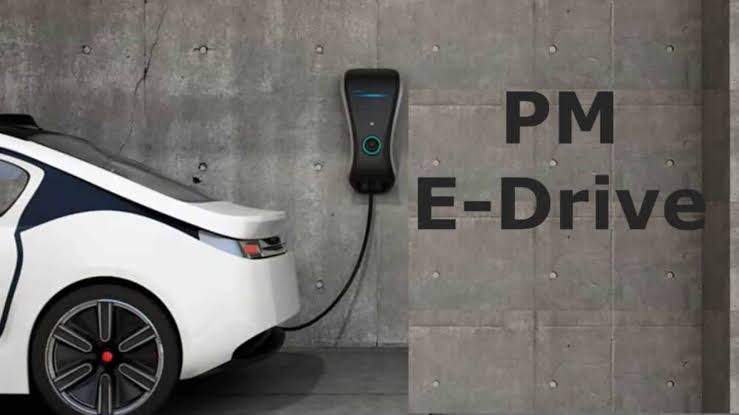
New Delhi, July 23, 2025: India is racing toward a green, electrified future. With the launch of the PM Electric Drive Revolution in Innovative Vehicle Enhancement (PM E-DRIVE) and ongoing success of the PLI Auto Scheme, the government is backing electric mobility like never before.
These ambitious schemes, backed by tens of thousands of crores in funding, are designed to make electric vehicles (EVs) affordable, accessible, and made in India.
What Is the PM E-DRIVE Scheme?
Notified on September 29, 2024, the PM E-DRIVE Scheme is a bold move to accelerate EV adoption across the country. With a total outlay of ₹10,900 crore for two years, this scheme supports EV buyers and boosts essential infrastructure.
Its primary aim? Encourage consumers to make the switch to clean transport through upfront subsidies and better accessibility.


Under PM E-DRIVE, a massive ₹3,679 crore is set aside just to support buyers of EVs like electric 2-wheelers (e-2Ws), electric 3-wheelers (e-3Ws), e-ambulances, and e-trucks.
Here’s a breakdown of the support:
- e-2Ws: ₹1,772 crore for 24.79 lakh units
- e-3Ws: ₹907 crore for 3.15 lakh units
- e-ambulances: ₹500 crore (no cap on units)
- e-trucks: ₹500 crore for 5,643 units
That means buyers pay less at the point of purchase, making EVs more affordable than ever.
Building the EV Ecosystem
Subsidies are just one piece of the puzzle. The government is also investing heavily in infrastructure:
- ₹4,391 crore for 14,028 electric buses across cities
- ₹2,000 crore for EV charging station installation
- ₹780 crore for upgrading vehicle testing facilities
This ecosystem-first approach ensures that as demand grows, supply and support grow with it.
Supporting Make-in-India with PLI Auto Scheme
Alongside PM E-DRIVE, the Production Linked Incentive (PLI) Scheme for Automobile and Auto Components drives local manufacturing of EVs and auto parts.
It rewards manufacturers based on incremental sales of Advanced Automotive Technology (AAT) vehicles and components:
- Champion OEMs: 13%–18% incentive on sales of EVs and other AAT vehicles
- Component Champions: 7.2%–13% incentive on EV parts (plus 5% for battery EV components)
Only companies with 50% minimum Domestic Value Addition (DVA) are eligible—this ensures value stays in India.
PLI for Advanced Chemistry Cells (ACC)
The government is also pushing battery innovation. The PLI ACC Scheme incentivizes domestic production of battery cells—the heart of any electric vehicle.
This cuts dependence on imports, reduces costs, and boosts battery availability for India’s EV market.
Huge Impact So Far
As of March 31, 2025:
- ₹29,576 crore invested under PLI Auto
- 44,987 jobs created
- 106 DVA certificates issued to approved manufacturers
This shows real progress—not just in policy, but in factories, employment, and electric mobility on the ground.
No Urban-Rural Divide
Both the PM E-DRIVE and PLI schemes are pan-India. There are no city or rural quotas—benefits are open to everyone. States are coordinating with the Centre and private players to ensure EV charging networks grow everywhere.
This inclusivity is key to long-term adoption and trust in clean transport.
Why These Schemes Matter Now
EVs reduce pollution. They lower oil imports. And they create jobs—from assembly lines to charging networks. With PM E-DRIVE and PLI, India isn’t just catching up—it’s leading.
Minister Bhupathiraju Srinivasa Varma rightly said these efforts make the entire automotive supply chain stronger and more resilient.
India’s green shift is no longer a dream. It’s policy. It’s production. And it’s already powering millions.