
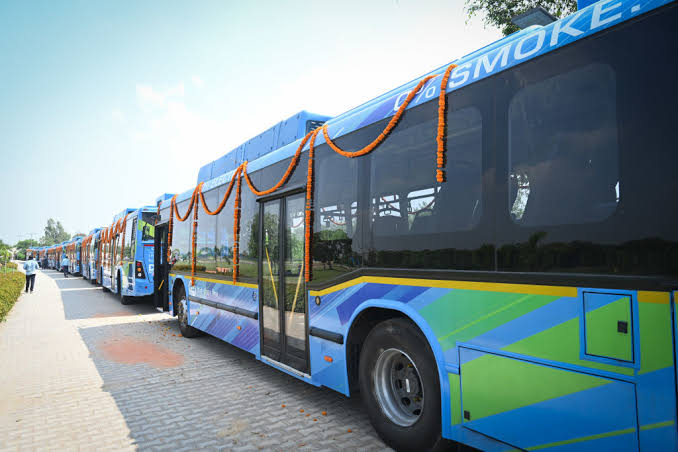

PM E-DRIVE targets nine metropolitan cities with populations above 40 lakh: Mumbai, Delhi, Bengaluru, Hyderabad, Ahmedabad, Chennai, Kolkata, Surat and Pune. These cities are expected to receive the majority of the initial fleet to maximise impact on urban public-transport emissions. Procurement is being aggregated and competitively tendered by Convergence Energy Services Limited (CESL), while deployment and operations will be managed through state and city transport undertakings (STUs) on OPEX/gross-cost contract (GCC) models.
Bengaluru: a major allocation
Under the scheme, Bengaluru has been allocated 4,500 e-buses, reflecting the city’s scale and pressing need to decarbonise its transport network. The allocation requires rapid coordination between the Ministry of Heavy Industries, CESL and the Karnataka transport authorities to ensure charging infrastructure, depot readiness and driver and technician training are in place ahead of vehicle roll-out.
Charging infrastructure and private participation
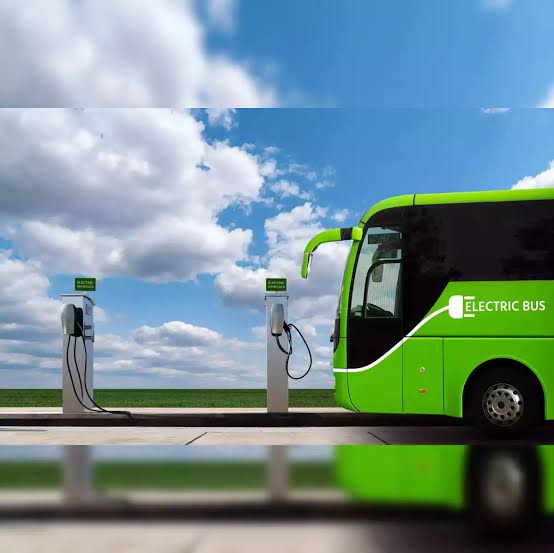
Recognising that charging availability is essential for bus operations, PM E-DRIVE designates EVPCS as an unlicensed activity to encourage private investment. The scheme’s ₹2,000 crore fund will support public chargers across national highways and in metropolitan areas. Operational guidelines for EVPCS were released on 26 September 2025, clarifying procurement, site selection and support mechanisms.
By allowing private entrepreneurs to participate, policymakers aim to accelerate charger density and introduce commercial viability through public-private partnerships while ensuring interoperability for bus fleets and other EVs.
How e-buses reduce emissions
Electric buses directly cut tailpipe emissions in dense urban corridors, improving air quality and public health. When coupled with cleaner grid electricity or on-site renewables, life-cycle emissions fall further. The government expects that concentrated deployment in the nine cities will deliver measurable reductions in particulate matter (PM2.5), NOx and CO2 emissions from the public transport sector.
Operational challenges and solutions
Large-scale e-bus deployment presents several operational challenges: depot capacity upgrades, high-power chargers, grid stability, battery maintenance and total cost of ownership. The OPEX/GCC model where STUs contract operators and the government subsidises operating costs aims to mitigate upfront capital barriers and transfer operational risk to specialised entities.
Coordinated planning with electricity distribution companies is essential to avoid grid bottlenecks; parallel investment in smart charging and energy storage will smooth demand peaks and enable integration with renewables.
Policy signals and road ahead
PM E-DRIVE combines capital support and policy design to jump-start electrification of large city bus fleets. The scheme’s emphasis on competitive procurement, private charging participation, and operational support models reflects lessons from earlier pilots and global best practices. The Ministry of Heavy Industries and CESL continue to coordinate closely with city governments to ensure timely roll-out and effective bus operations.