
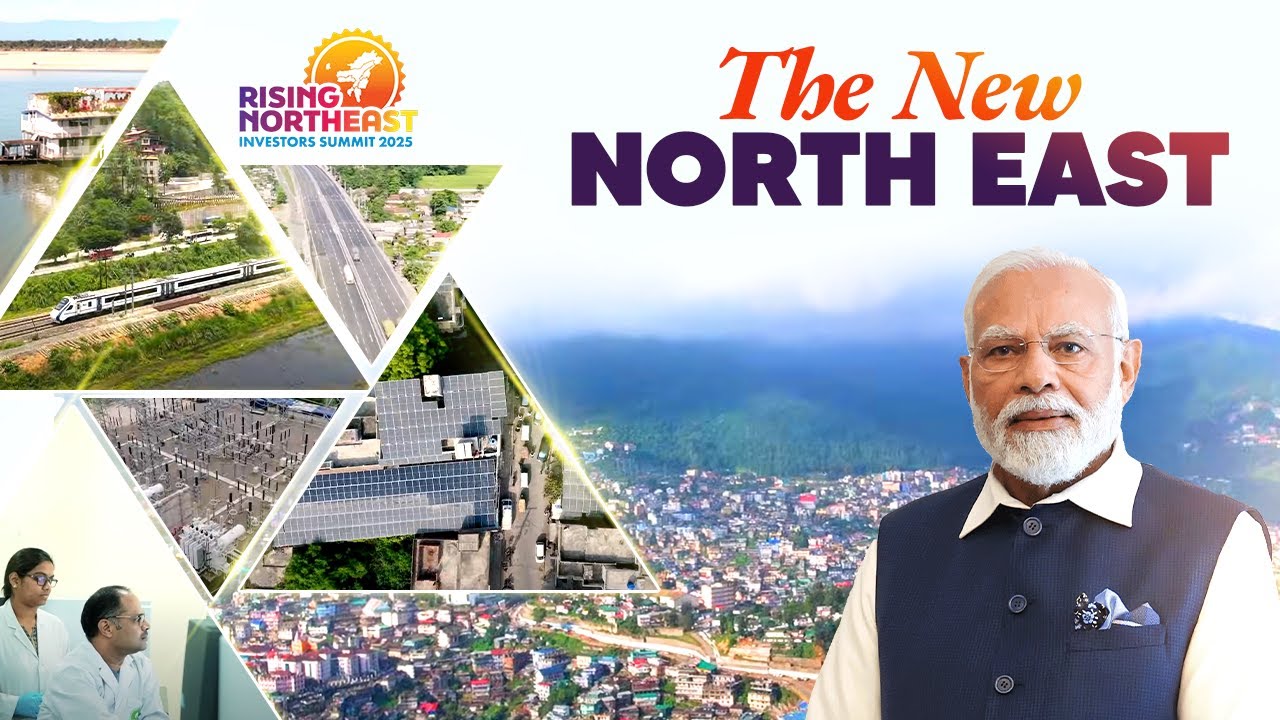

The Bairabi-Sairang line stretches 51.38 kilometers through challenging terrain, linking the state capital Aizawl to the rest of India’s railway map. Engineers faced tough conditions, building numerous tunnels and bridges to make the line operational. Its completion is expected to reduce transportation costs, ease the supply of goods, and support local businesses.
Shri Vaishnaw, in his article, emphasized that this development is not just about railways but about unlocking the economic and social potential of the North-East. “The North-East is no longer a frontier waiting for progress but is central to India’s growth story,” he noted.
Boosting Connectivity and Trade
The rail link is expected to transform logistics in Mizoram by allowing farmers, entrepreneurs, and traders to access larger markets across India. Faster transport of perishable goods, textiles, and handicrafts will provide direct benefits to local communities.
The Ministry of Railways has also underlined the project’s role in strengthening national security by improving strategic connectivity in border states. With better infrastructure, the North-East is poised to play a bigger role in regional integration under the government’s “Act East Policy.”
PM Modi’s Call for Inclusive Growth
Prime Minister Modi, in his message on X (formerly Twitter), highlighted how infrastructure projects in the North-East reflect the government’s commitment to balanced development. He said the region has moved beyond being a “distant frontier” and is now becoming a central driver of India’s growth.
This statement follows a series of initiatives in the North-East, including improved road networks, digital connectivity projects, and energy infrastructure. The government has repeatedly stressed that investment in the region is crucial to achieving the vision of “Viksit Bharat @2047.”
National and Regional Impact
The inauguration of the Bairabi-Sairang railway line is being hailed as a game-changer for Mizoram and the wider North-East. Beyond economic benefits, it carries social implications—bringing people closer to national opportunities and strengthening cultural integration with the rest of India.
Experts suggest that enhanced connectivity will attract industries, promote tourism, and encourage youth to pursue new employment avenues without migrating to other regions. The government believes such projects can help narrow developmental gaps and ensure the North-East stands at par with other parts of India.