
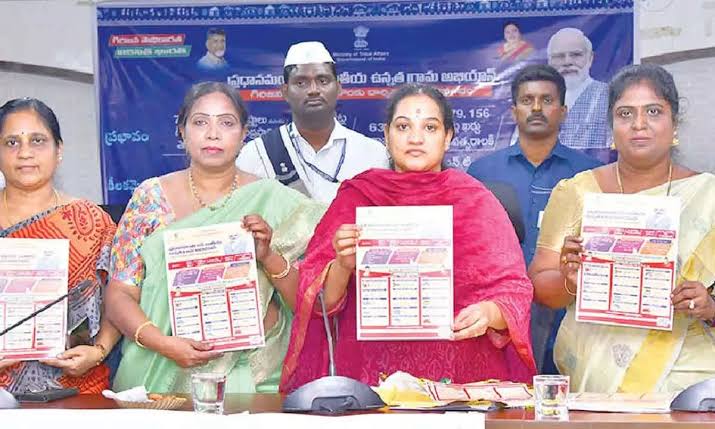

PM-JUGA specifically prioritises villages with a minimum population of 500, of which at least 50% belong to Scheduled Tribes (ST). Additionally, aspirational blocks with ST populations of 50 or more have been brought under the ambit of the scheme. The government confirmed that, at present, there are no plans to expand the number of eligible villages.
Timeline and Coverage
Running from 2024–25 to 2028–29, PM-JUGA aims to bring measurable improvements in infrastructure, education, health, livelihood, and cultural preservation in tribal areas. The scheme is designed to fill gaps in state-level initiatives and ensure integrated development. Coordination meetings are being held with states and union territories to monitor progress and address implementation challenges.
State-Level Developments: Andhra Pradesh Case
In Andhra Pradesh, the government reported findings from a 2017 study by the Tribal Cultural Research and Training Institute (TCR&TI), which estimated the Valmiki Boya community population at 25.8 lakh. Based on this, the state has submitted proposals seeking recognition of the Valmiki Boya community as Scheduled Tribes. However, the Office of Registrar General of India (ORGI) did not support the proposal. Discussions remain ongoing, and the Ministry of Tribal Affairs continues to review such requests in coordination with concerned states.
Monitoring and Implementation
The implementation of PM-JUGA relies on regular coordination with state and central agencies. The Ministry of Tribal Affairs is working closely with line departments to track outcomes in infrastructure creation, livelihood support, and social welfare initiatives. Funds are released based on project proposals and utilisation certificates submitted by states.
A Vision for Inclusive Growth
With nearly 64,000 villages covered, PM-JUGA reflects the government’s effort to accelerate development in tribal belts often left out of mainstream growth. The focus remains on direct benefit transfers, accountability in project execution, and sustained monitoring to ensure that the intended communities benefit from the programme.