 PM Modi’s Message on Linguistic Pride
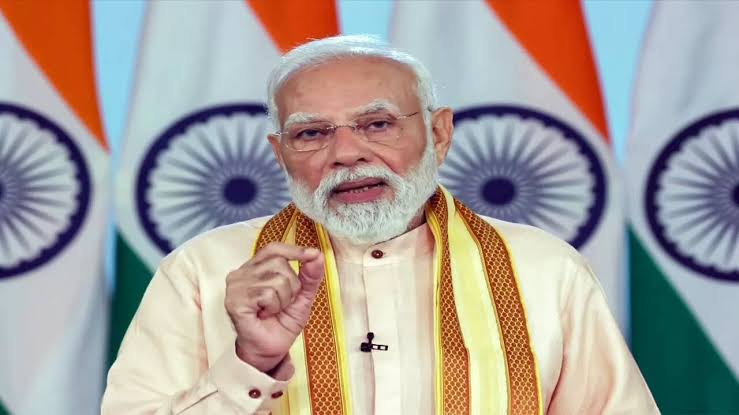
Sharing his thoughts on social media platform X, Prime Minister Modi described the development as “gladdening” and emphasised that India’s linguistic plurality is one of the nation’s greatest strengths. He expressed appreciation for Speaker Om Birla and lawmakers from across political parties for giving space to regional languages on the floor of the House.
According to the Prime Minister, the use of regional languages in Parliament not only honours India’s constitutional values but also bridges the gap between citizens and their representatives. When MPs speak in the language of their people, governance becomes more relatable and accessible.
Regional Languages Gain Prominence in Lok Sabha
In recent sessions, the Lok Sabha has witnessed an increased use of Indian languages such as Tamil, Telugu, Bengali, Marathi, Odia, Punjabi, Assamese, and several others. Members have been encouraged to express themselves freely while ensuring that interpretation services enable smooth communication.
This multilingual approach aligns with the spirit of the Constitution, which recognises India as a union of diverse cultures and languages. Parliamentary officials have ensured that real-time translation facilities are strengthened so that debates remain inclusive and transparent.
Speaker Om Birla’s Role in Promoting Inclusivity
Lok Sabha Speaker Om Birla has consistently advocated for wider use of regional languages in parliamentary debates. Under his leadership, the House has taken steps to make proceedings more representative of India’s linguistic diversity while maintaining procedural discipline.
Parliamentary experts believe that such measures deepen democratic engagement by allowing MPs to articulate complex local issues more effectively. It also ensures that voices from different regions find equal space in national policymaking.
Strengthening Democracy Through Language
Political analysts note that language plays a critical role in democratic expression. Allowing lawmakers to speak in their native languages empowers them to convey emotions, concerns, and aspirations more accurately.
The Prime Minister’s endorsement of this practice is seen as a reaffirmation of India’s foundational principle of “Unity in Diversity.” It sends a strong message that national integration thrives not through uniformity, but through mutual respect and inclusion.
A Cultural Milestone in Parliamentary History
Observers see the growing acceptance of regional languages in Parliament as a cultural milestone. It reflects a confident India that celebrates its plurality while functioning as a cohesive democratic republic.
As Parliament continues to evolve, the emphasis on linguistic inclusivity is expected to deepen citizen trust in democratic institutions. The Prime Minister’s praise underscores the belief that India’s diversity is not a challenge, but a powerful national asset.