PM Modi Proposes Institutionalising Multi-Party Diplomacy
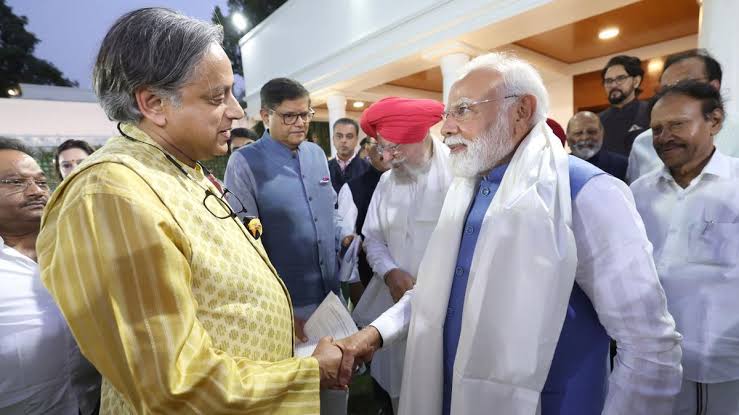
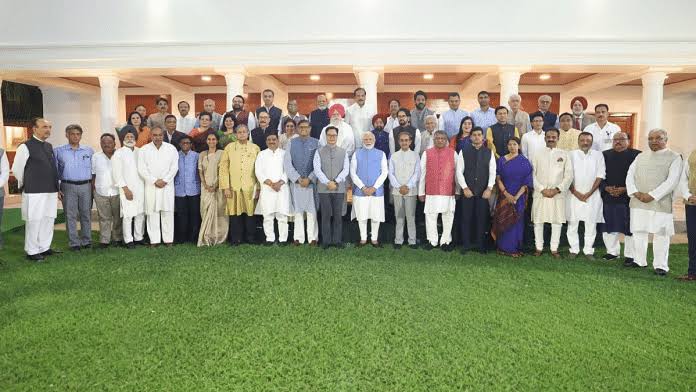
Prime Minister Narendra Modi met with members of seven multi-party delegations on Tuesday at his New Delhi residence. These teams had recently visited several countries to articulate India’s stance on Pakistan-sponsored terrorism following Operation Sindoor. During the 105-minute informal meeting, PM Modi listened closely to experiences shared by parliamentarians across party lines, suggesting that such visits should be institutionalised for long-term diplomatic impact.
 Key Takeaways from the Meeting
The gathering wasn’t just a ceremonial affair. Over tea and refreshments, both ruling and opposition MPs, including Shashi Tharoor, Manish Tewari, Supriya Sule, and Kanimozhi, shared their foreign tour experiences. PM Modi, reportedly impressed by the bipartisan effort, emphasized the value of “unified international messaging.”
“He listened intently, engaged deeply, and appreciated our commitment,” a delegate said.
Modi’s gesture of meeting each team at separate tables and offering personal feedback highlighted his intent to value cross-party diplomacy over political divides.
Institutionalising the Initiative
The Prime Minister hinted that such engagements could become a structured part of India’s foreign outreach. One model discussed was Parliamentary Friendship Groups, which facilitate bilateral engagement between lawmakers. According to MPs, Modi assured quick action on pending applications from other countries for such groups.
The idea is to embed cross-party diplomacy in parliamentary functions, ensuring consistent and bipartisan messaging abroad.
Operation Sindoor: The Context
Launched earlier this year, Operation Sindoor was India’s measured response to rising cross-border terrorism. Following the operation, seven all-party teams were sent to various world capitals to counter propaganda and clarify India’s stance. Delegation heads included:
Shashi Tharoor (Congress)
Sanjay Kumar Jha (JDU)
Baijayant Panda & Ravishankar Prasad (BJP)
Supriya Sule (NCP-SP)
Shrikant Shinde (Shiv Sena)
Kanimozhi (DMK)
Their brief was clear: present a united Indian front on terrorism.
Cross-Party Unity Praised
Notably, MPs from opposition parties received warm commendation from the PM. Tharoor reportedly spoke at length, and Modi listened attentively, setting a rare example of political civility in today’s polarised landscape.
Even MPs from countries like the UAE and Gulf nations received feedback that their visits were “positively received.” Modi, with strong personal ties to Gulf leaders, validated their impressions, adding that diplomacy works best with personal rapport and bipartisan credibility.
The Road Ahead
There was clear consensus: the world is watching, and India’s unity against terrorism sends a powerful signal. With Modi’s suggestion to institutionalise these initiatives, India might now embrace a more inclusive, multi-party approach to global engagement.
This could be a game-changer in India’s foreign policy, especially in times when soft power and bipartisan diplomacy hold increasing value.