
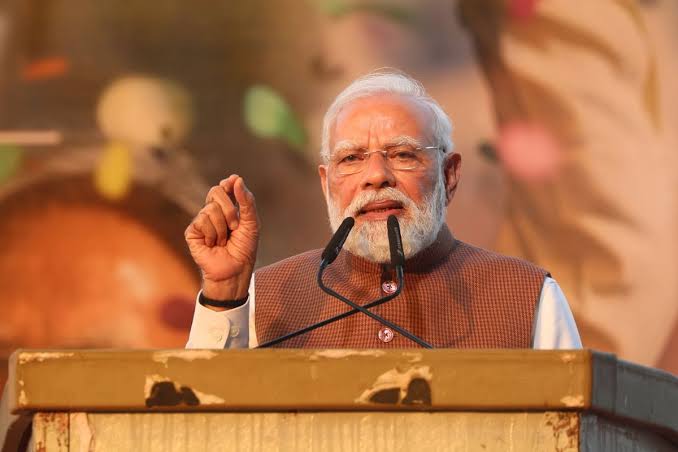
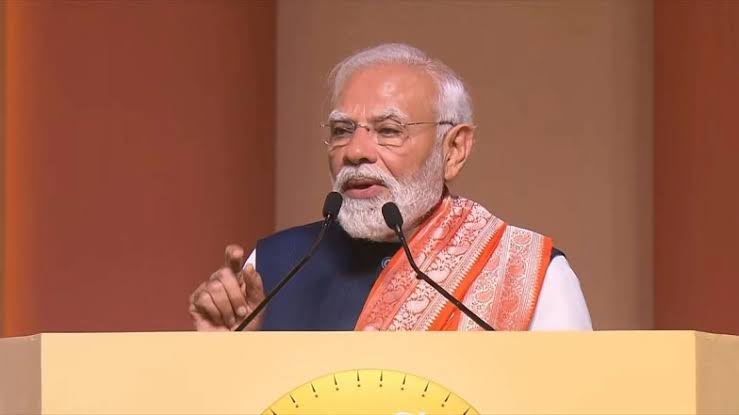

Observed annually, Asom Diwas marks Assam’s distinct identity and provides an occasion to reflect on the state’s history, traditions and development priorities. The Prime Minister noted notable advances in physical and social infrastructure in recent years, citing coordinated efforts to improve connectivity, healthcare, education and livelihoods across the region.
Cultural Revival: Tai-Ahom Heritage in Focus
A central theme of Mr Modi’s message was cultural revival. He pointed to targeted initiatives to popularise Tai-Ahom culture and language, including teacher training, community outreach and institutional support for preserving the region’s linguistic legacy. The Prime Minister said such measures are designed to benefit Assam’s younger generation by reconnecting them with ancestral roots while creating educational opportunities.
Legacy of Swargadeo Chaolung Sukapha
Invoking Swargadeo Chaolung Sukapha the Tai prince credited with founding the Ahom kingdom in the 13th century Mr Modi urged citizens and policymakers to renew their commitment to Sukapha’s ideals of social cohesion and regional prosperity. That historical lineage, he said, remains a guiding light for Assam’s contemporary identity.
Infrastructure and Social Development
The Prime Minister highlighted investments in infrastructure roads, rail links and riverine connectivity that have improved market access and mobility. He also noted progress in social infrastructure, pointing to enhancements in healthcare and education that contribute to a better quality of life for Assam’s residents.
Education, Tourism and Livelihood Linkages
Education is central to the policy approach. Combining language learning with vocational and digital skills training can prepare young people for careers in education, tourism, crafts and cultural enterprises. Tourism and cultural industries can benefit from heritage trails and craft circuits that provide market access for artisans and strengthen community livelihoods.
Digital Archives, Cultural Centres and Community Outreach
Authorities are exploring institutional measures such as digital archiving of manuscripts and oral histories, curricula development and cultural centres to sustain long-term revival. Public workshops, school competitions and teacher exchange programmes are steps to embed cultural learning in everyday life and make heritage a productive asset for local communities.
Environmental Resilience and Heritage Protection
Preserving cultural assets in Assam also requires attention to climate and environmental risks. Strengthening river management and flood-resilient infrastructure is essential to protect communities and heritage sites in flood-prone districts, the Prime Minister observed.
Partnerships for Implementation
Civil society organisations, academic institutions and cultural trusts will be pivotal in turning policy into practice. Collaborations between universities, museums and NGOs can spur research, curate exhibitions and mobilise funding for long-term cultural projects that both conserve and activate Assam’s living heritage.