 Prime Minister’s Message on Conservation
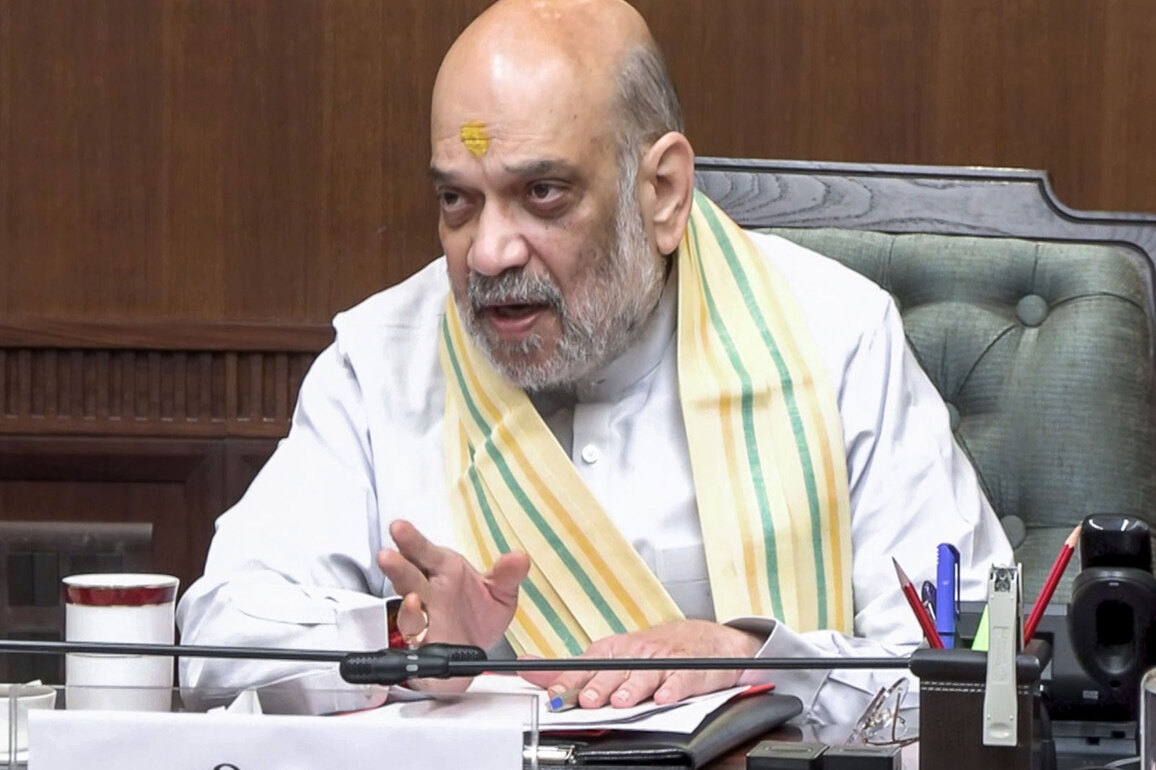
Responding to a post by Union Minister for Environment, Forest and Climate Change Bhupender Yadav, Prime Minister Modi expressed delight over the new additions to the Ramsar list. In a message shared on social media platform X, he said the recognition strengthens India’s resolve to preserve wetlands as thriving habitats for migratory and native species.
The Prime Minister noted that wetlands are not just ecological assets but also lifelines for communities, supporting livelihoods, water security and climate resilience. He added that protecting these fragile ecosystems is essential for sustainable development.
Patna Bird Sanctuary: A Haven for Avian Life
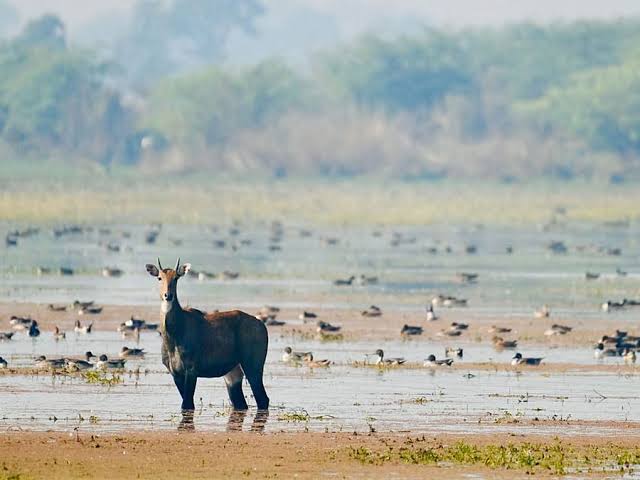
Located in Etah district, the Patna Bird Sanctuary is a freshwater wetland known for attracting a wide variety of migratory birds during the winter months. Species from Central Asia and other regions arrive here annually, making it an important stopover along migratory routes.
Conservationists say Ramsar recognition will enhance scientific monitoring, strengthen protection measures and promote eco-sensitive tourism, while ensuring minimal human disturbance to wildlife.
Chhari-Dhand: Gujarat’s Ecological Jewel
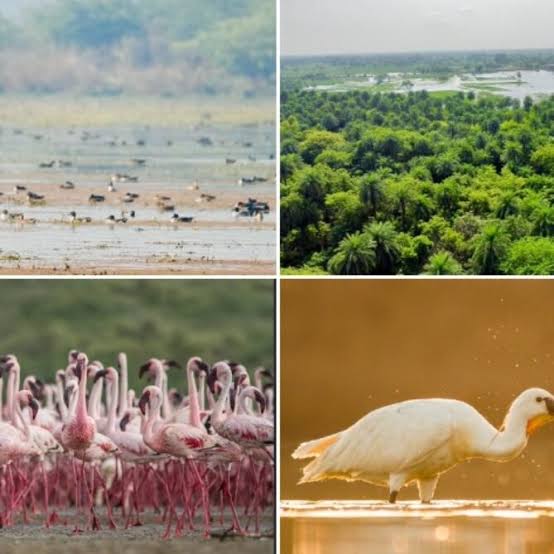
Chhari-Dhand, situated in the arid landscape of Kutch, transforms into a vibrant wetland during the monsoon and winter seasons. The area supports large populations of flamingos, cranes and other waterfowl, making it one of western India’s key birding destinations.
Experts believe Ramsar status will bring global attention to the wetland, encouraging conservation-led development and responsible tourism while preserving the region’s unique biodiversity.
India’s Expanding Ramsar Footprint
With the addition of Patna Bird Sanctuary and Chhari-Dhand, India continues to strengthen its position among leading nations committed to wetland conservation. Ramsar designation signifies international recognition under the Ramsar Convention, an intergovernmental treaty focused on the sustainable use of wetlands.
Government initiatives and community participation have together contributed to safeguarding these ecosystems, aligning conservation goals with local livelihoods and climate action priorities.