 A Major Step Towards ‘Swastha Nari’
The initiative aims to vaccinate approximately 1.15 crore 14-year-old girls annually across all States and Union Territories. The vaccine will be provided free of cost at designated government health facilities under a special mission-mode campaign.
The nationwide rollout reflects the government’s vision of “Swastha Nari,” placing prevention, protection, and healthcare equity at the core of women’s health policy.
Where and How Vaccination Will Take Place
Vaccination sessions will be conducted at Ayushman Arogya Mandirs (Primary Health Centres), Community Health Centres, Sub-District and District Hospitals, and Government Medical Colleges.
Each site will be supervised by trained medical officers and supported by skilled healthcare teams. Functional Cold Chain Points (CCPs) and linkage to 24×7 government facilities will ensure swift management of rare Adverse Events Following Immunization (AEFI).
Vaccination will remain voluntary, with informed consent from parents or guardians mandatory before administration.
Why HPV Vaccination Matters
Cervical cancer remains the second most common cancer among women in India. According to GLOBOCAN 2022 data, India reports over 1.2 lakh new cases and nearly 80,000 deaths annually.
Scientific evidence confirms that nearly all cervical cancer cases are caused by persistent infection with high-risk HPV types, particularly types 16 and 18, which account for more than 80% of cases in India.
The vaccination programme aims to prevent infection before it progresses to cancer, significantly reducing future disease burden.
Vaccine Details and Global Backing
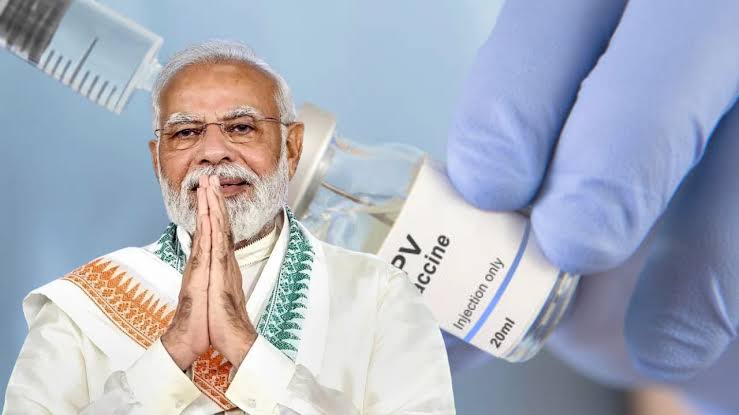
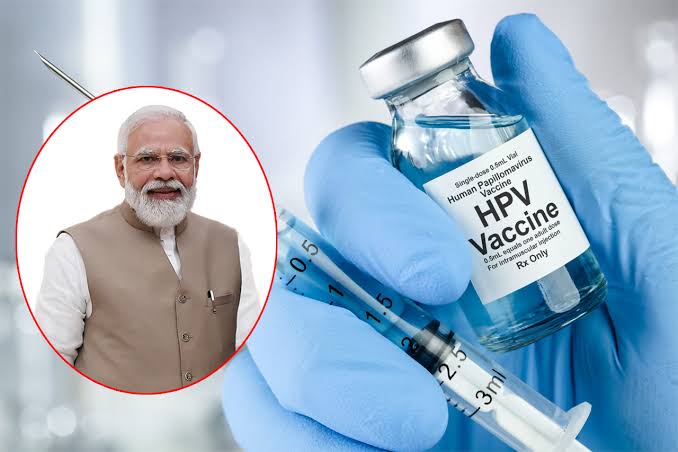
India’s programme will use Gardasil, a quadrivalent vaccine protecting against HPV types 16, 18, 6, and 11. Globally, over 500 million doses of HPV vaccines have been administered since 2006, demonstrating 93–100% effectiveness in preventing cervical cancer linked to covered strains.
In 2022, the World Health Organization endorsed single-dose schedules as effective for girls aged 9–20 years. India’s policy aligns with these global recommendations and guidance from the National Technical Advisory Group on Immunization (NTAGI).
More than 160 countries have incorporated HPV vaccination into national immunisation schedules, with over 90 adopting single-dose strategies to improve coverage.
Ensuring Supply and Implementation Readiness
The Government of India has secured vaccine supplies through a transparent procurement mechanism in partnership with GAVI, the Vaccine Alliance. Vaccines meet stringent regulatory and cold-chain standards approved by India’s drug authorities.
States and Union Territories have already received adequate doses and undergone training for seamless last-mile distribution. Chief Ministers and health officials will join the launch virtually via NIC coordination.
A Long-Term Public Health Impact
Health experts believe the nationwide HPV vaccination drive represents one of India’s most significant preventive healthcare interventions in recent years. By targeting adolescents before exposure to HPV infection, the programme could dramatically reduce cervical cancer incidence over the next two decades.
The Union Health Ministry has urged parents and guardians to ensure eligible daughters receive the vaccine during the three-month campaign window or on routine immunization days thereafter.
HPV vaccination, officials say, is not merely a health intervention but a life-saving shield for future generations.