
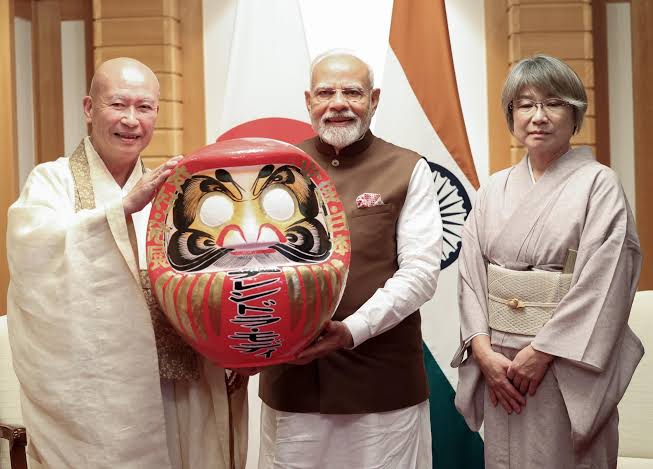
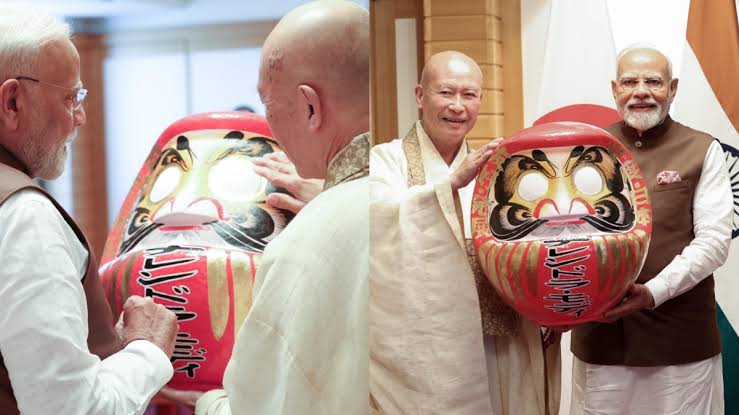

The Daruma doll is a hollow, round, and brightly painted figure, usually red, with blank white eyes. Rooted in Japanese Buddhist traditions, it represents Bodhidharma, the founder of Zen Buddhism, who is believed to have meditated in silence for nine years. Over centuries, the doll has come to symbolise resilience, good fortune, and the pursuit of personal or collective goals.
One of its most unique features is the eye-painting ritual. When a person sets a goal, they paint one eye of the Daruma. Once the goal is achieved, they fill in the second eye, completing the doll and marking their perseverance and success.
Cultural Significance
In Japan, Daruma dolls are often purchased at the start of the year and placed in homes or offices as motivators to pursue ambitions. They are also burned in temple ceremonies at year’s end, symbolising closure and renewal. The practice reflects the Japanese belief in determination and starting afresh, a message that resonates globally.
The Shorinzan-Daruma-ji Temple in Takasaki, Gunma Prefecture, is considered the birthplace of the Daruma tradition. The temple hosts an annual festival drawing thousands of visitors who purchase dolls for luck and prosperity.
India-Japan Ties
Prime Minister Modi’s visit includes bilateral talks with his Japanese counterpart Shigeru Ishiba at the 15th India-Japan Annual Summit. The discussions cover a wide range of topics, including economic cooperation, defence partnerships, and regional security challenges. Cultural gestures like the presentation of the Daruma doll further reinforce the warmth in relations between the two countries.
In recent years, India and Japan have deepened ties through infrastructure projects, technology partnerships, and collaborations in Indo-Pacific security. The gift of the Daruma doll is seen as both symbolic and timely, underscoring resilience and mutual commitment.
Symbolism for India
For Prime Minister Modi, who has often emphasised self-reliance and determination in his speeches, the Daruma doll carries strong symbolic value. The doll’s message of “fall seven times, rise eight” echoes India’s pursuit of resilience amid global challenges. Observers note that such cultural exchanges add depth to diplomatic dialogues beyond formal agreements.
The gesture also comes at a moment when India seeks to enhance cultural diplomacy in Asia, using shared traditions and symbols to build stronger partnerships.