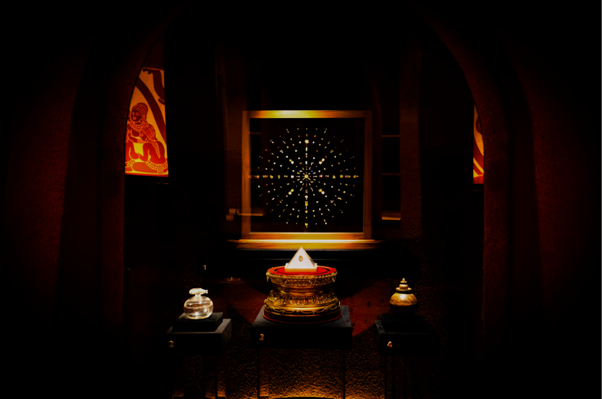
The exposition highlights over 80 objects spanning from the 6th century BCE to the present, including sculptures, manuscripts, thangkas, ritual objects, and reliquaries, representing the most extensive collection attributed to the Buddha. This historic event commemorates the Ministry of Culture’s successful repatriation of the relics in July 2025, achieved through a public-private partnership that halted an auction at Sotheby’s Hong Kong.
 Historical Significance of the Piprahwa Relics
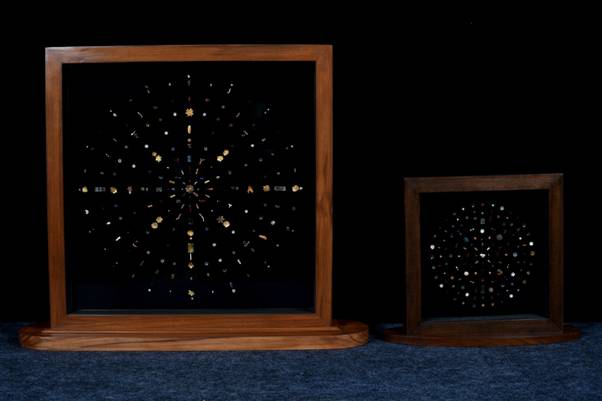
The sacred Buddha relics were originally discovered in 1898 by William Claxton Peppé at the ancient stupa of Kapilavastu. Portions of the relics were distributed globally, with some gifted to the King of Siam, others to England, and some preserved at the Indian Museum in Kolkata. The recent repatriation by the Ministry of Culture reunites the Peppé family portion with the previously excavated relics, marking a milestone in India’s heritage preservation efforts.
The exhibition features:
- Relics from the 1898 Kapilavastu excavation
- Treasures from the 1972 excavations
- Reliquaries and jewelled artifacts from the Indian Museum, Kolkata
- Recently repatriated relics from the Peppé family collection
- Monolithic Stone Coffer containing gem relics and reliquaries
Global Cultural and Spiritual Significance
This unprecedented assembly reaffirms India’s role as the birthplace of Buddhism and highlights its contribution to global spiritual heritage. The exposition demonstrates India’s leadership in cultural diplomacy, with over 642 antiquities repatriated under Prime Minister Modi’s leadership, and the Piprahwa relics standing out as a landmark achievement.
Inauguration and Attendance
The inauguration will witness the participation of Union Ministers, Ambassadors, members of the diplomatic corps, Buddhist monks, scholars, heritage experts, art enthusiasts, and students. The exposition emphasizes the Ministry of Culture’s commitment to heritage preservation, cultural leadership, and showcasing India’s spiritual legacy as the birthplace of the Buddha Dhamma.
Through “The Light and the Lotus” exposition, India celebrates its enduring commitment to preserving and sharing its civilizational and spiritual heritage with the world.