
Rare Earths Shouldn’t Be Tools of Dominance
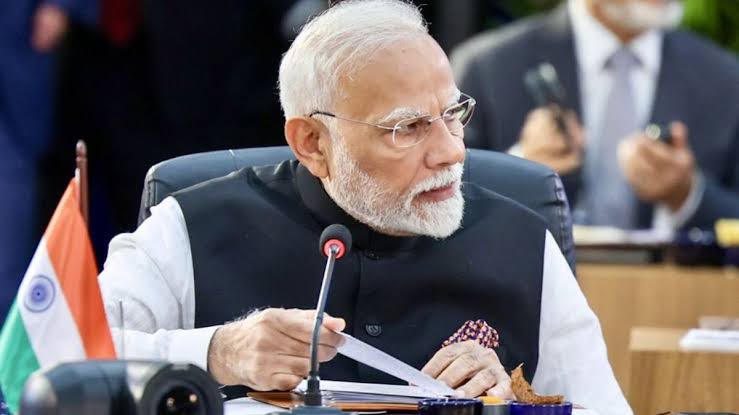
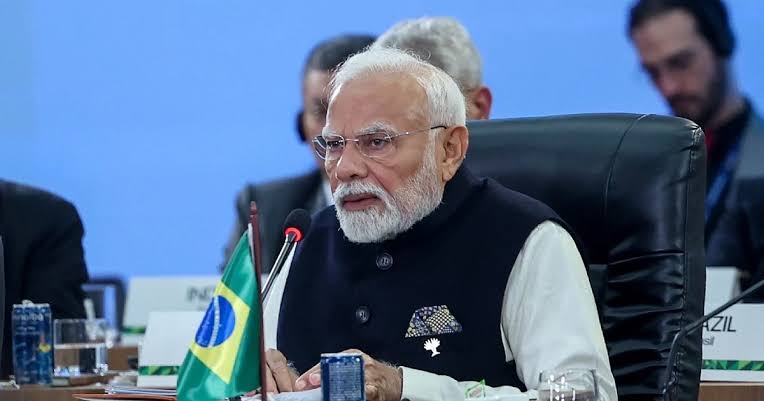
“No country should use critical minerals as weapons,” PM Modi said, addressing leaders from BRICS nations. His remark comes at a time when China, which dominates the rare earths market, is being accused of manipulating exports to gain geopolitical leverage.

Why China’s Control Over Rare Earths Is Alarming
China currently supplies over 60% of the world’s rare earth elements. According to the International Energy Agency (IEA), China refines nearly 90% of these minerals globally. Such dominance has sparked fear among other economies, including India, the US, and EU nations.
China’s export restrictions on gallium and germanium last year jolted global tech and defence sectors. These actions, seen as retaliation in trade disputes, show how minerals can be used as economic weapons. That’s what PM Modi wants to prevent.
BRICS Can Build Resilient Supply Chains
In his speech, Modi urged BRICS countries — Brazil, Russia, India, China, and South Africa — to form alternative, resilient supply chains for critical resources. “Let’s redefine BRICS,” he said, proposing the new acronym: Building Resilience and Innovation for Cooperation and Sustainability.
He also highlighted the need for equitable resource access for developing nations in the Global South. “Self-confidence among all nations is vital for sustainable development,” he said.
India’s Action Plan on AI and Research Collaboration
Speaking on the future of technology, Modi announced that India will host an AI Impact Summit in 2026. He called for the formation of global standards for AI governance to ensure transparency, prevent digital misinformation, and eliminate algorithmic bias.
Modi also proposed a BRICS Science and Research Repository to boost collaboration in innovation, especially for underrepresented countries. This would help create a shared pool of knowledge in AI, space, biotechnology, and other emerging fields.
India Strengthening Global South Ties
On the sidelines of the summit, PM Modi met with leaders from Bolivia and Uruguay. His talks with Bolivian President Luis Arce focused on critical mineral cooperation, healthcare, and space technology. Bolivia holds one of the largest lithium reserves in the world.
In discussions with Uruguayan President Yamandú Orsi, Modi explored pharmaceutical trade, chemicals, defence, and digital cooperation. These meetings are part of India’s broader push to strengthen ties with Latin America and the Global South.
A Call for Ethical Progress and Global Unity
Modi’s address made it clear: global unity is essential to handle modern challenges — be it climate change, economic disparity, or AI ethics. “Without cooperation and consistency, there can be no inclusive growth,” he warned.
He also stressed the need to support nations struggling with food, fuel, and fertilizer shortages. “Only shared progress can secure our future,” he said.
Conclusion
PM Modi’s message from Rio reflects India’s growing voice on the world stage — one that calls for fairness, sustainability, and collaboration. As the world faces a tug-of-war over technology and resources, India’s balanced and proactive approach offers hope for a cooperative global order.