
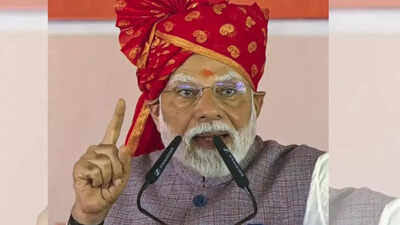
In a deeply moving and strategically significant visit to Bikaner, Prime Minister Narendra Modi addressed the nation for the first time since the successful execution of Operation Sindoor, delivering a message that blended compassion, courage, and conviction. Speaking from Deshnok, the Prime Minister reaffirmed India’s resolute stance against terrorism while also showcasing the government’s dedication to development and national progress.
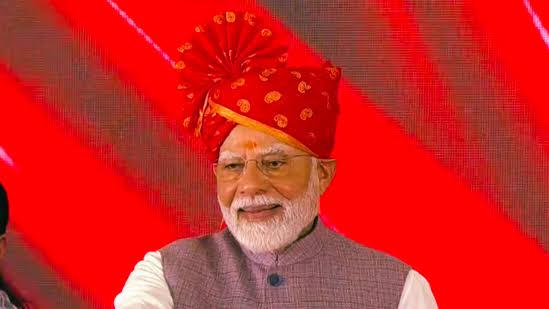

With a voice both firm and heartfelt, PM Modi laid out three guiding principles that now shape India’s counter-terror doctrine: India will respond to every terror attack with a timely and powerful reply; it will not be intimidated by nuclear threats; and it will no longer differentiate between terrorists and the regimes that harbor them. This was a clear rebuke to Pakistan’s long-standing tactic of using non-state actors as a shield, and it underscored a new era in India’s security posture—one of clarity, accountability, and strength.
The Prime Minister’s words struck a chord with citizens across the nation, particularly when he reiterated his 2019 pledge: “Saugandh mujhe iss mitti ki, main desh nahi mitne dunga, main desh nahi jhukne dunga.” The emotional resonance of this vow reminded the public of the sacrifices made by India’s brave armed forces and the unyielding commitment of its leadership to protect every inch of the nation.
His visit to Bikaner was not just about security—it was equally about celebrating India’s progress and honoring its cultural roots. PM Modi began the day by offering prayers at the revered Karni Mata Temple in Deshnok, surrounded by chants and blessings from the local community. The spiritual gesture was a powerful reminder of India’s rich cultural heritage and the values that bind its people together.
The Prime Minister then inaugurated 103 redeveloped railway stations under the Amrit Bharat Station Scheme, including the modernized Deshnok Railway Station. These stations, spanning 86 districts in 18 states and union territories, are part of a broader mission to upgrade over 1,300 railway stations nationwide. With an investment exceeding ₹1,100 crore, this initiative is transforming public transport infrastructure, especially in Tier-2 and Tier-3 cities, and stands as a symbol of inclusive development.
During the visit, PM Modi also connected with the future of the nation—its children. At Deshnok station, he was seen interacting with young students holding the tricolour, signing autographs, and sharing warm smiles. These small yet significant gestures reflected his belief in a people-centric approach to governance, where development is both structural and human.
In his public rally, the Prime Minister highlighted that the government is now investing six times more in infrastructure than in previous years—a sign of the scale and ambition driving India’s transformation. Yet, amid the celebration of progress, his tone turned solemn as he condemned the recent terror attack in Pahalgam. Calling it an assault on Indian womanhood, he expressed deep sorrow and steely determination to bring the perpetrators to justice. The entire nation, he said, was united in grief and resolve.
PM Modi was accompanied by key figures, including Railway Minister Ashwini Vaishnaw, Union Law Minister Arjun Ram Meghwal, Rajasthan Chief Minister Bhajanlal Sharma, and Governor Haribhau Bagde. Their collective presence highlighted the spirit of collaboration between the Centre and the states in building a stronger India.
From prayers at a sacred temple to the launch of transformative infrastructure projects, the Prime Minister’s visit to Bikaner was a powerful blend of tradition and progress. In these challenging times, it served as a message of hope, unity, and unwavering resolve—a reminder that while India desires peace, it will never hesitate to defend its dignity and people.