

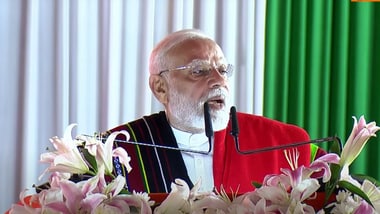

During his address at Peace Ground in Churachandpur, the Prime Minister emphasized development and connectivity. He inaugurated multiple projects, including initiatives in health and education aimed at the hill districts. “The land of Manipur is the land of courage and determination,” Modi said, describing Manipur as a “gem” of the Northeast.
Governor Ajay Kumar Bhalla also praised the resilience of the state and called for “dialogue and inclusivity” while stressing the importance of safeguarding border areas. The event was marked by cultural performances and ceremonial gestures, reinforcing the central theme of development as a path to peace.
Critical Issues Left Unaddressed
While the announcements drew attention, many locals felt the visit sidestepped the core concerns of displaced families and survivors of the conflict. There was no mention of specific timelines for dismantling levy points, ensuring safe return for internally displaced persons (IDPs), or prosecuting cases of violence. For many in Churachandpur and Kangpokpi, development without justice appeared incomplete.
“Decoration is not deliverance,” a local activist remarked, reflecting frustration over what was seen as a ceremonial visit rather than a substantive intervention. Reports of protests, including the burning of posters along the PM’s route, highlighted the underlying tensions that remained unaddressed.
Conditional Welcome in Churachandpur
Although institutions extended a warm welcome, residents voiced disappointment over the absence of direct engagement. There was no open session for testimonies from victims, nor an opportunity for local representatives to present specific petitions. Community members had expected at least symbolic recognition of their losses and grievances.
The gap between administrative preparations and on-ground expectations underscored the larger issue: development projects may bring roads and schools, but they cannot substitute for justice, accountability, and reconciliation. Until displaced families are assured of safety and timelines for return, trust remains fragile.
The Road Ahead
Observers note that this visit could have been a turning point for Manipur. By meeting IDPs and launching new works, the Prime Minister set a stage for healing. However, the absence of clear commitments on justice and security left many feeling that the visit was more about optics than solutions.
For Manipur’s conflict-hit communities, the real measure of progress will not be ribbon cuttings or foundation stones but the dismantling of armed networks, credible prosecutions, and the safe return of displaced families. Without these, development risks being perceived as ceremony, not remedy.
As the state continues to grapple with deep divisions, the challenge for New Delhi is to balance infrastructure-driven growth with the more pressing demands of justice, peace, and reconciliation. The people of Manipur are waiting for actions that match promises — with dates, names, and accountability firmly in place.