

Mahaparinirvan Diwas, observed annually on 6 December, marks the death anniversary of Dr. Ambedkar, the principal architect of the Indian Constitution and a tireless advocate of social justice. The day holds deep emotional and historical significance, as millions across India and abroad remember his fight against discrimination and his contribution to strengthening democratic values.
The Prime Minister said that generations of Indians have drawn strength from Dr. Ambedkar’s commitment to upholding human dignity. He noted that Ambedkar’s scholarship, leadership and resolve to create an equitable society remain timeless. The values he championed continue to inspire policymakers, constitutional institutions and citizens.
PM Modi’s Message on X
In his social media message, the Prime Minister wrote that Dr. Ambedkar’s visionary guidance continues to shape India’s national journey. He emphasised that Ambedkar’s commitment to justice and equality has left an indelible mark on the nation, making him one of the most respected leaders in Indian history.
He posted, “Remembering Dr. Babasaheb Ambedkar on Mahaparinirvan Diwas. His visionary leadership and unwavering commitment to justice, equality and constitutionalism continue to guide our national journey.” The Prime Minister further expressed confidence that Dr. Ambedkar’s ideals will remain a lasting source of inspiration as India strives to become a developed nation.
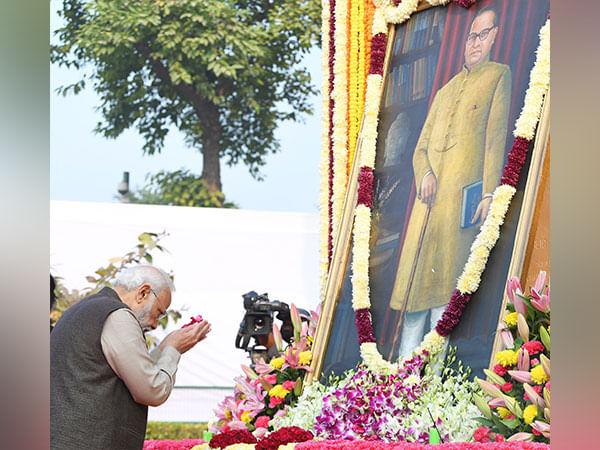
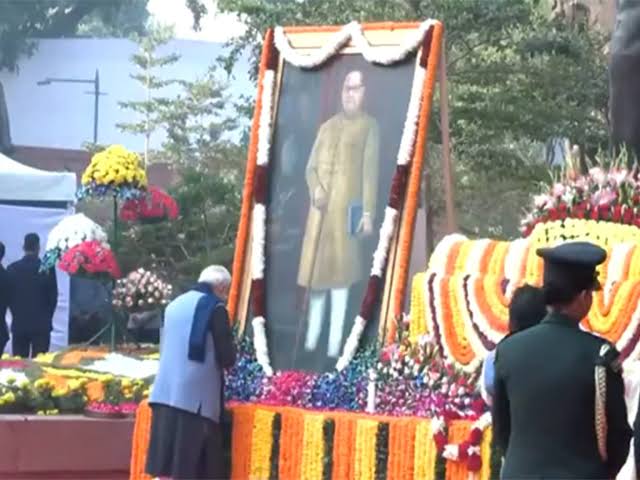
In another post, PM Modi shared that he offered floral tributes to Dr. Ambedkar in Delhi, reaffirming the government’s commitment to realising Ambedkar’s aspirations for India. “We will keep working with full vigour to realise his dream for our nation,” he added.
Ambedkar’s Enduring Legacy
Dr. Ambedkar’s influence spans far beyond the drafting of the Constitution. His work in economics, social reform, labour rights, education and political philosophy has guided India’s evolution as a democratic republic. His advocacy for marginalised communities and his insistence on equality before law laid the foundation for many constitutional safeguards.
From the establishment of the Reserve Bank of India based partly on his economic ideas to landmark reforms in labour laws and social justice, Ambedkar’s contributions continue to shape public policy. His role in promoting education and social transformation remains central to India’s inclusive development framework.
Relevance in Contemporary India
As India enters a new phase of growth and technological advancement, Dr. Ambedkar’s principles remain deeply relevant. His emphasis on constitutional morality, rule of law and institutional accountability are pillars of governance today. Programmes promoting digital inclusion, social equity and economic opportunity echo the values he championed.
Government initiatives such as Digital India and Skill India reflect the mission of empowerment through education and access an approach Ambedkar strongly believed in. Many memorials, research centres and welfare programmes have been established nationwide to preserve and promote his legacy.
A Day of National Reflection
Across the country, lakhs of people visited chaityabhoomis, memorial sites and museums dedicated to Dr. Ambedkar. Seminars, discussions and commemorative events were held in educational institutions and public spaces to revisit his contributions to nation-building. The day also serves to remind citizens of the values enshrined in the Constitutionvalues Ambedkar envisioned as the guarantors of liberty and equality.
As India progresses towards its long-term vision of Viksit Bharat, leaders and citizens continue to draw inspiration from Dr. Ambedkar’s unshakeable faith in the power of constitutional democracy. His belief that social harmony and economic opportunity must go hand in hand remains central to India’s development journey.