 Phased Loans Ensure Sustainable Credit Access
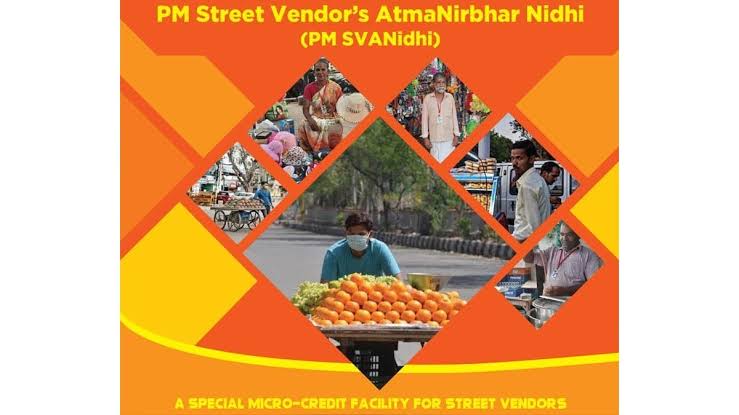
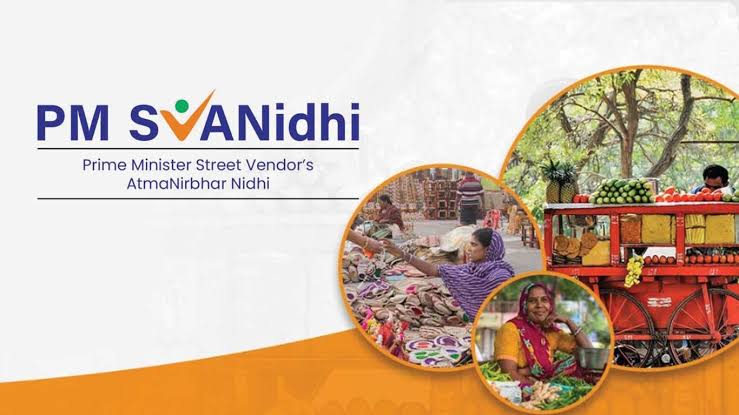
Launched in June 2020, the PM Street Vendor’s AtmaNirbhar Nidhi (PM SVANidhi) scheme provides working capital loans to urban street vendors in three structured tranches. Vendors become eligible for the next tranche only after successfully repaying the previous one, a design aimed at promoting financial discipline and sustainable borrowing.
As of January 20, 2026, over 71.57 lakh vendors have availed the first tranche loan. Around 27.28 lakh vendors progressed to the second tranche, while 6.61 lakh beneficiaries successfully accessed the third tranche, reflecting steady repayment behaviour and growing confidence in the formal credit system.
Income Growth and Credit History Creation
An impact assessment conducted by the Indian School of Business in 2023 and 2025 revealed notable improvements in vendors’ economic conditions. Average annualised business income among PM SVANidhi borrowers increased by nearly 20 percent between 2023 and 2025.
The study also found that around 30 percent of borrowers across all loan cycles reported holding formal loans. This marks a significant shift for street vendors who traditionally relied on informal moneylenders, underscoring the scheme’s role in building formal credit histories.
RuPay UPI Credit Cards Expand Digital Access
To further enhance financial inclusion, the restructured PM SVANidhi scheme introduced UPI-linked RuPay Credit Cards for vendors who have repaid their second tranche loans. These cards allow beneficiaries to meet short-term business needs and manage cash flows digitally.
As of February 2, 2026, more than 15,000 applications for RuPay credit cards have been received nationwide, with 2,479 cards already issued. The initiative is expected to accelerate digital payments adoption among small vendors.
Scheme Extended Till 2030
The Union Government has extended the PM SVANidhi scheme’s lending period up to March 2030. Coverage has also been expanded to census towns, urban agglomerations and peri-urban areas in a graded manner, opening new livelihood opportunities beyond traditional city limits.
Urban Local Bodies and States remain responsible for identifying eligible vendors and mobilising applications, ensuring the scheme reaches intended beneficiaries.
Outreach Drives and Vendor Mobilisation
The Ministry of Housing and Urban Affairs has undertaken extensive outreach initiatives to increase awareness. These include radio jingles, television campaigns, newspaper advertisements, and Information, Education and Communication material in regional languages.
Following approval of the restructured scheme in August 2025, Lok Kalyan Melas were organised across ULBs between September and October 2025. These events facilitated faster loan processing, digital onboarding and on-the-spot grievance resolution.
Additionally, the SVANidhi Sankalp Abhiyan was conducted nationwide from November to December 2025 to clear pendency at banks and ULBs in mission mode.
Digital Literacy and Cashback Incentives
Urban Local Bodies, in collaboration with digital payment aggregators, continue to organise digital literacy camps to encourage cashless transactions. Beneficiaries are also offered cashback incentives to promote sustained adoption of digital payments.
The Ministry said regular reviews with States and Union Territories ensure smooth implementation and continuous improvement.
This information was shared by Minister of State for Housing and Urban Affairs Shri Tokhan Sahu in a written reply to the Rajya Sabha.