
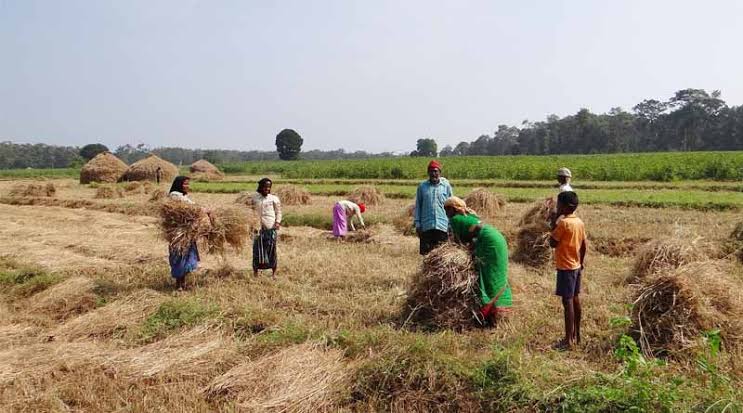
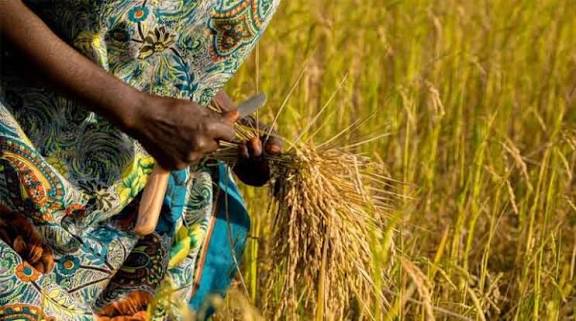

Introduced during the 2016–17 agricultural season, PMFBY provides comprehensive insurance protection against non-preventable natural risks affecting crops from pre-sowing to post-harvest stages. These risks include drought, floods, cyclones, pests, diseases, and other natural calamities for notified crops and areas.
Earlier, crop losses caused by wild animals were excluded from coverage, as such damages were considered preventable in nature. However, growing concerns raised by state governments and farmers prompted the Centre to revisit this exclusion.
Wild Animal Damage Now Permitted as Add-On Cover
Responding to requests from the Ministry of Environment, Forest and Climate Change and several state governments, the Centre has allowed states to include wild animal crop damage as an add-on cover under PMFBY. This additional protection can be offered based on individual loss assessments and will be funded by the respective state governments.
Detailed protocols for implementing this add-on coverage have been incorporated into the operational guidelines of PMFBY, ensuring consistency and transparency in claim assessment.
Inundation Risk and Localised Crop Losses
Inundation is already covered under PMFBY for all notified crops. However, for hydrophilic crops such as paddy, jute, mesta, and sugarcane, inundation losses are covered except under localised claim conditions.
To address demands for wider inclusion, a committee was constituted to define modalities for covering crop loss due to wild animal attacks and inundation for paddy under localised risks. The committee has since submitted its recommendations along with standard operating procedures.
Continuous Reforms to Improve Farmer Experience
The government has repeatedly revised PMFBY’s operational guidelines in 2018, 2020, and 2023 to enhance transparency, accountability, and timely claim settlement. These reforms aim to make the scheme more farmer-friendly while ensuring insurance companies adhere to strict timelines.
While most claims are settled within stipulated timeframes, delays have occasionally occurred due to late subsidy release by states, discrepancies in yield data, or procedural lapses by banks. Such claims are resolved once the underlying issues are addressed.
Technology-Led Transparency and Faster Claims
To strengthen implementation, the government has developed the National Crop Insurance Portal (NCIP) as a unified digital platform. It enables online farmer enrollment, real-time monitoring, subsidy coordination, and direct electronic transfer of claims into farmers’ bank accounts.
A dedicated DigiClaim module, integrated with the Public Finance Management System, has been operational since Kharif 2022 to ensure seamless and transparent claim disbursal. From Kharif 2024 onwards, this integration ensures end-to-end digital processing of claims.
Advanced Crop Assessment Systems
To improve accuracy in yield estimation, the government has introduced YES-TECH, which leverages remote sensing and technology-based data. For paddy and wheat, at least 30 percent weightage is now assigned to YES-TECH-derived yield estimates, with soybean added from Kharif 2024.
Additionally, the Weather Information Network and Data System (WINDS) is being expanded to collect hyper-local weather data using automatic weather stations and rain gauges, aiding better disaster management and insurance assessment.
Parliamentary Disclosure
This information was shared by Minister of State for Agriculture and Farmers Welfare, Shri Ramnath Thakur, in a written reply in the Lok Sabha. The government reaffirmed its commitment to strengthening crop insurance mechanisms to safeguard farmer livelihoods.