
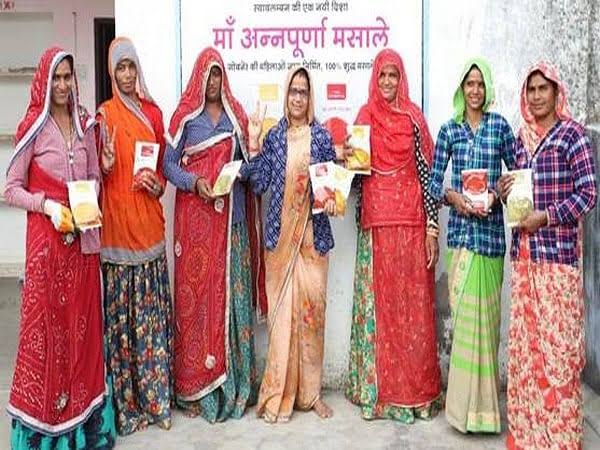
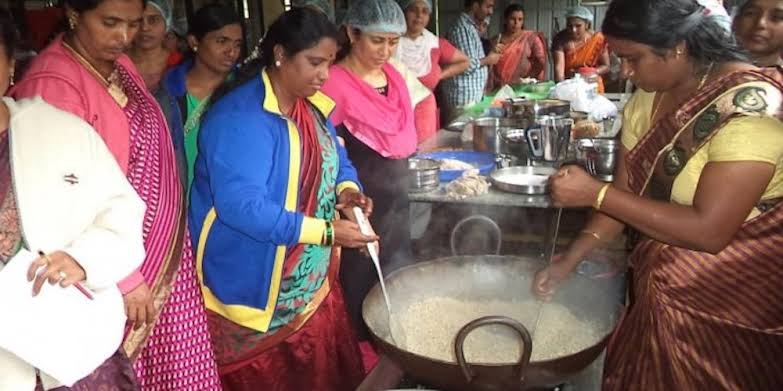

Financial transfers from the Centre to states and union territories have risen sharply under PMFME in recent years. Centre-share releases were ₹367.61 crore (FY 2020–21), ₹297.44 crore (FY 2021–22) and ₹268.52 crore (FY 2022–23). The pace accelerated thereafter: ₹765.30 crore was released in FY 2023–24 and ₹1,142.56 crore in FY 2024–25.
Officials say the stepped-up funding reflects higher demand, expanded scheme outreach and targeted campaigns to onboard women’s groups, micro-enterprises and local processors into formal value chains.
What PMFME offers finance, infrastructure and branding
Under PMFME, financial and non-financial support is layered to tackle constraints that micro processors face. Key benefits include:
- Credit-linked subsidy: 35% of eligible project cost, up to ₹10 lakh per unit, to encourage investment in processing equipment and working capital.
- Seed capital for SHGs: ₹40,000 per SHG member for working capital and small tools, with a maximum of ₹4 lakh per SHG federation.
- Common infrastructure: 35% credit-linked subsidy up to ₹3 crore for FPOs, SHGs, cooperatives or government agencies to establish shared facilities accessible on a hire basis.
- Branding & marketing: Grants up to 50% for groups of FPOs/SHGs/cooperatives or SPVs to develop collective brands, packaging and market linkages.
- Capacity building: Tailored entrepreneurship development programmes (EDPs) and product-specific skilling to raise standards in processing, hygiene and business management.
Implementation, outreach and awareness
The Ministry of Food Processing Industries (MoFPI) has run national and state-level awareness drives newspaper ads, radio jingles, buyer-seller meets, expos and fairs to increase scheme uptake, especially among women’s SHGs and rural micro-entrepreneurs. These campaigns aim to demystify formalisation, promote access to credit and highlight benefits such as quality certification and market access.
Officials emphasise that common infrastructure and incubation centres are meant to catalyse cluster-level competitiveness: processors can hire equipment, access cold storage and packaging lines, and receive technical support without risking heavy upfront capital expenditure.
Early outcomes and the road ahead
By combining capital subsidy, seed grants, infrastructure and branding support, PMFME aims to raise productivity, improve shelf life and enable micro processors to enter organised markets from local retailers to e-commerce channels. The government reports growing interest from SHG federations and FPOs seeking support to scale operations.
However, experts note that long-term success will depend on timely credit disbursals, handholding for product development, stronger linkages with financial institutions and consistent market access. Continued awareness drives and technical support remain vital to translate approved proposals into viable enterprises that generate income and jobs in rural and peri-urban India.