
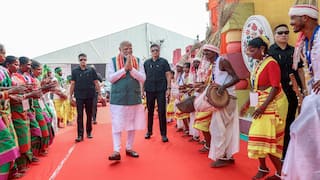
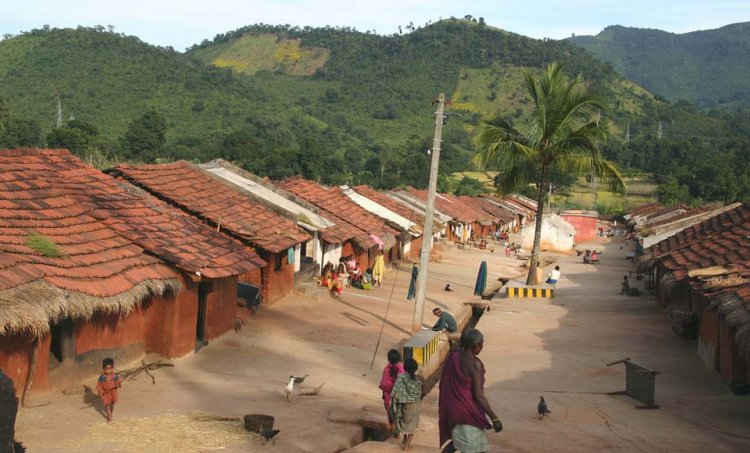

PMJUGA prioritises creation and sustainability of essential assets: pucca houses, all-weather roads, piped water supply, reliable electricity, schools and health outreach. The programme promotes livelihood support particularly for Forest Rights Act (FRA) patta holders through sustainable agriculture and allied activities tailored to local ecology.
State-level allocations under related schemes show significant activity. For Chhattisgarh, for example, PMAY-G has sanctioned 8.47 lakh houses historically and added 3.03 lakh more in January 2025 to move toward saturation. Other Ministry components for Chhattisgarh include classroom construction, CFRM planning and TMMC support, with funds already released for several items.
Multi-Ministry Reach and Early Achievements
PMJUGA operates through coordination among central line ministries. As on 11 November 2025, key achievements reported by ministries include:
- Ministry of Rural Development: 12,70,412 houses sanctioned; 6,49,202 completed.
- Ministry of Health & Family Welfare: 134 Mobile Medical Units (MMUs) operationalised.
- Ministry of Jal Shakti: 62,518 villages sanctioned for water supply; 27,362 villages saturated.
- Ministry of Power: Electrification of 65,249 households and public places under mission activities.
- Department of Telecommunications: 3,513 villages covered through sanctioned connectivity projects.
Other ministries have reported hostel sanctions, tribal skilling centres, AWC operationalisation and livestock/fisheries beneficiary counts—reflecting the scheme’s broad sectoral footprint.
Community Ownership and Institutional Safeguards
PMJUGA emphasises Gram Sabha-led planning, community forest resource management plans and institutional accountability through state, district and block monitoring committees. Real-time financial monitoring uses PFMS and the SNA Sparsh module to track expenditure and progress.
The mission also links with PM JANMAN launched in November 2023 to reach Particularly Vulnerable Tribal Groups (PVTGs) with targeted interventions, ensuring that the most marginalised communities receive safe housing, clean drinking water, health and nutrition services, electrification and livelihood support via 11 interventions across nine line ministries.
Local Focus: Examples and Next Steps
PMJUGA’s village list includes pockets such as Dumka in Jharkhand; Kanker, Kondagaon, Balod and Dhamtari in Chhattisgarh; and clusters in Himachal Pradesh, Rajasthan, Bihar and Maharashtra. In Jalgaon district, 112 tribal-majority villages were identified as part of the scheme, although the Ministry has noted no pending proposals from the district as of the latest update.
Officials stress that expansion depends on demographic thresholds and that future census updates may change eligibility. Meanwhile, ministries continue implementation and financial releases to scale up infrastructure and services over the five-year timeline.
How to Learn More
For official lists, Annexures and state-wise details, readers can refer to the Press Information Bureau and the Ministry of Tribal Affairs portal.