
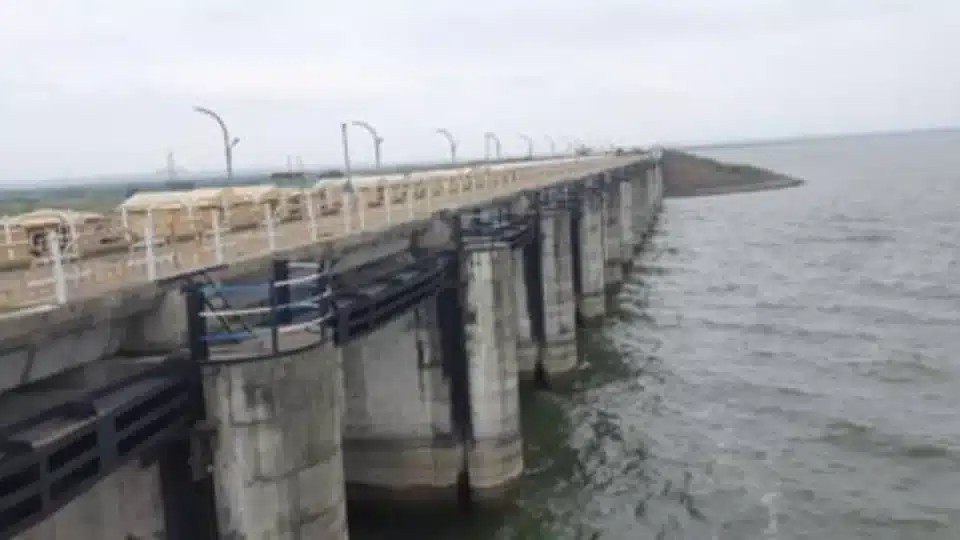
Against this backdrop, the Department of Water Resources, River Development and Ganga Rejuvenation under the Ministry of Jal Shakti is implementing a wide portfolio of irrigation and river-development projects aimed at expanding irrigated area, improving water-use efficiency, and enhancing drought resilience.

Given the scale and complexity of these projects often involving land acquisition, rehabilitation, inter-state coordination, environmental clearances, and funding flows several initiatives have been brought under the Pro-Active Governance and Timely Implementation (PRAGATI) platform.
PRAGATI enables direct review at the level of the Prime Minister, ensuring time-bound decision-making and coordinated resolution of issues that typically delay large infrastructure projects. This mechanism has proven critical in converting years-old implementation hurdles into actionable solutions.
Project Portfolio and Progress
Currently, 93 major irrigation and water-sector projects with a cumulative investment of approximately ₹2.86 lakh crore are being tracked on the Project Monitoring Group (PMG) system. Of these, 44 projects valued at ₹44,122.94 crore have already been commissioned.
Another 49 projects worth ₹2.42 lakh crore are under various stages of implementation. Notably, 10 projects valued at ₹43,583 crore have been reviewed under PRAGATI, reflecting their national importance and strategic relevance.
At the issue-resolution level, 126 implementation challenges were identified across these projects, of which 106 have already been resolved through coordinated follow-up between the Centre and States.
Key PRAGATI-Reviewed Irrigation Projects
The PRAGATI-reviewed projects span several states and include strategically important works such as the North Koel Reservoir Project, Gosikhurd Project and CADWM works, Subernarekha Multipurpose Project, Anandpur Barrage Project, and Sulwade-Jamphal-Kanoli Lift Irrigation Scheme.
These initiatives are designed to expand irrigation potential, stabilise existing command areas, improve water availability in drought-prone regions, and enhance farm incomes. On average, PRAGATI-reviewed projects have achieved around 73 per cent physical progress.
Bembla Irrigation Project: A PRAGATI Case Study
The Bembla Irrigation Project in Maharashtra stands out as a clear example of PRAGATI’s impact. Sanctioned in April 2007 under the Pradhan Mantri Krishi Sinchayee Yojana, the project was conceived to boost irrigation in the Vidarbha region, covering parts of Yavatmal district.
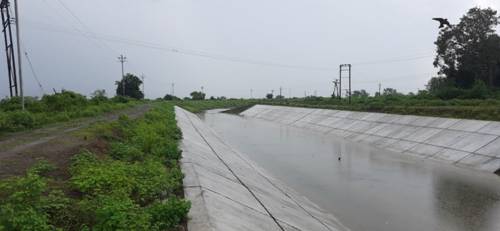
Implementation was delayed for years due to unresolved land acquisition, incomplete canal lining works, and contractual disputes under the Dehani Lift Irrigation Scheme. These issues significantly slowed the achievement of targeted irrigation potential.
The project was reviewed under PRAGATI in October 2023, following which coordinated directions were issued to the Centre and the Government of Maharashtra. Focused intervention led to completion of over 87 km of canal lining, termination of a non-performing contractor, and revival of stalled works.
As a result, the Bembla project was commissioned on 30 June 2025 and is expected to deliver long-term benefits to farmers in drought-prone areas by improving water access and agricultural resilience.
Strengthening Water Security Through Execution
Viewed collectively, the Ministry of Jal Shakti’s PRAGATI-backed portfolio reflects a whole-of-government approach to water security. By combining infrastructure development with technology-enabled monitoring and institutional coordination, the Ministry aims to ensure timely delivery of high-value public assets.
These efforts align with national priorities of resilient agriculture, rural development, and efficient public spending, ensuring that investments translate into tangible outcomes for farmers and communities.