The Remark That Sparked Debate
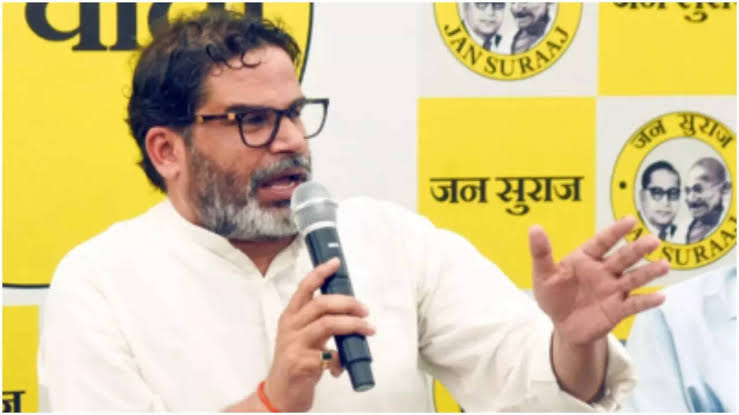
Speaking to news agency ANI, Kishor explained his observation that BJP has progressively moved towards harder ideological positions under successive leaders. “Write it down, 10 years from now, you’ll say Modi was still tolerable, but the next leader may appear intolerable,” Kishor said in a viral video.
He compared the party’s evolution from Atal Bihari Vajpayee, seen as a proponent of ‘soft Hindutva,’ to L.K. Advani, who was labelled a hardliner, and then to Prime Minister Modi. According to Kishor, leaders once perceived as hardline appear moderate in comparison to their successors.
 Kishor’s Explanation of BJP’s Ideological Shift
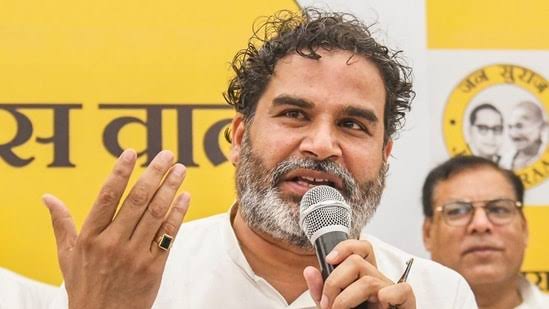
Kishor elaborated that his remarks were not meant to single out any one leader but to highlight what he sees as a pattern within BJP’s leadership. “If you compare Vajpayee and Advani, Vajpayee looked soft. In today’s context, Advani appears softer when compared to Modi,” he explained.
He warned that this trajectory may continue, suggesting that in the next 10 to 15 years, BJP could be led by a figure even more hardline than Modi, making Modi’s era seem less aggressive in hindsight. Kishor specifically mentioned Uttar Pradesh Chief Minister Yogi Adityanath as an example of a leader perceived by many as further to the right.
Reactions and Political Context
The statement has triggered sharp reactions in political circles. Supporters of Modi dismissed Kishor’s remark as political posturing, while critics of the government found resonance in his analysis of the BJP’s ideological arc.
Kishor, who has worked as an election strategist for several parties in the past before launching his own outfit, the Jan Suraaj Party, is known for making blunt political predictions. His comments have added fuel to ongoing debates about the future direction of Hindutva politics in India.
Implications for India’s Political Landscape
The debate reflects wider questions about the balance between cultural nationalism and hardline Hindutva within the BJP. Observers say Kishor’s remarks underline the shifting definitions of what constitutes ‘moderate’ and ‘hardline’ politics in India.
Political analysts argue that the trajectory Kishor outlined could redefine voter expectations, alliances, and strategies ahead of the 2029 and 2034 general elections. Some also note that Kishor’s comments may be aimed at positioning his party as a centrist alternative in the political spectrum.
Looking Ahead
As the BJP remains India’s dominant political force, Kishor’s remarks highlight a crucial debate about its future leadership and ideological orientation. Whether or not his predictions materialise, the discussion they have sparked adds another layer to India’s evolving democratic discourse.