
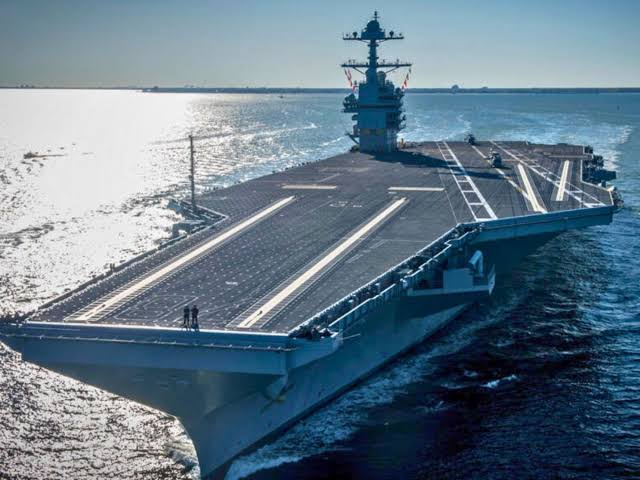

The White House confirmed that the USS Gerald R. Ford, considered the world’s largest aircraft carrier, will move from the Caribbean Sea to West Asia. It will join the USS Abraham Lincoln strike group, already stationed in the region for over two weeks.
The deployment significantly boosts American military presence near Iran. With two carrier strike groups, the U.S. effectively doubles its available aircraft, strike capabilities, and munitions in the region.
the Ford’s movement marks one of the most substantial force postures in West Asia in recent months. U.S. Southern Command stated that operational capabilities in the Western Hemisphere will remain unaffected despite the redeployment.
Trump’s Remarks on Iran’s Leadership
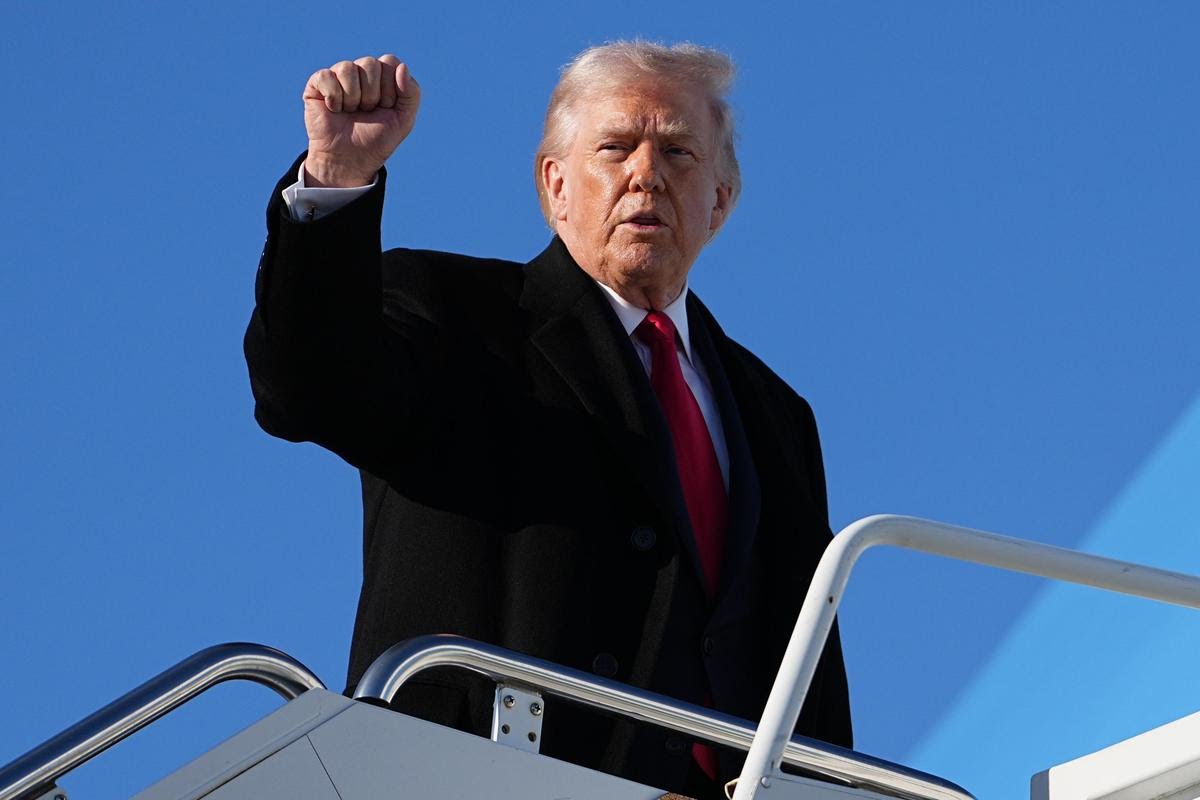
When asked whether the U.S. was pushing for the removal of Iran’s clerical leadership, Trump responded that such a change “would be the best thing that could happen.” He criticised Tehran’s leadership, saying it had been “talking and talking” for decades without meaningful outcomes.
The President added that the additional carrier was necessary in case diplomatic efforts fail. “If we don’t make a deal, we’ll need it,” he said, underscoring the administration’s readiness for potential military action.
Fragile Nuclear Negotiations
Just days earlier, Trump had suggested fresh talks with Tehran were possible. Indirect discussions reportedly took place in Oman, where intermediaries exchanged messages between U.S. and Iranian officials.
However, those efforts have yet to yield tangible progress. Trump warned that failure to reach an agreement would be “very traumatic” for Iran. Tehran maintains that its nuclear programme is for peaceful purposes, though prior reports indicate enrichment levels had reached 60 per cent purity before the June conflict last year.
Regional Concerns Mount
Gulf Arab nations have expressed concern that any military confrontation could trigger a wider regional conflict. West Asia is already recovering from prolonged instability linked to the Israel-Hamas war and previous Iran-related tensions.
Recent incidents at sea have added to the strain. U.S. forces reportedly intercepted an Iranian drone near American naval assets last week. Iran had also attempted to stop a U.S.-flagged vessel in the Strait of Hormuz, a crucial global oil transit route.
Operational and Logistical Challenges
The Ford strike group carries over 5,000 personnel. Its deployment raises logistical concerns, particularly because the ship has already been at sea for nearly eight months.
Senior U.S. naval officials have previously noted that extended deployments can strain crews and complicate maintenance schedules. Aircraft carriers are typically deployed for six to seven months, making prolonged operations operationally demanding.
Military analysts suggest that while the second carrier adds deterrence value, it may not introduce capabilities beyond what is already available in the region. However, the symbolic message of increased firepower is unmistakable.
Strategic Implications
The move appears to contrast with earlier U.S. national security priorities that emphasised the Western Hemisphere. By redirecting the Ford, the administration signals that Iran remains a top strategic concern.
Whether this escalation leads to renewed negotiations or military confrontation remains uncertain. For now, Trump’s remarks and the deployment of the USS Gerald R. Ford underscore a critical moment in U.S.–Iran relations.
As diplomatic channels remain fragile, the coming weeks could determine whether West Asia moves toward dialogue or deeper instability.