
A Family’s Long Struggle
The victim’s parents have been struggling for months to draw attention to their case. They had sought meetings with Prime Minister Narendra Modi and Union Home Minister Amit Shah, but those requests went unanswered. Despite traveling to Delhi recently in search of help, their appeals yielded no immediate results.
Speaking after receiving the President’s letter, the victim’s father said, “We have received some good news from the President. She has assured us that her aide will stay in touch with us. They will look into our problems and try to resolve them. This gives us some hope. If we get their cooperation, it will help us in our fight for justice.”
The victim’s mother echoed his words, expressing relief and gratitude for the President’s gesture of solidarity. For them, this support has come as an emotional reassurance after a long period of despair.
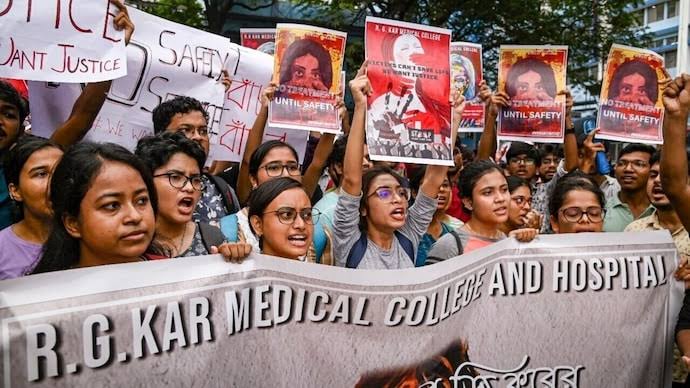

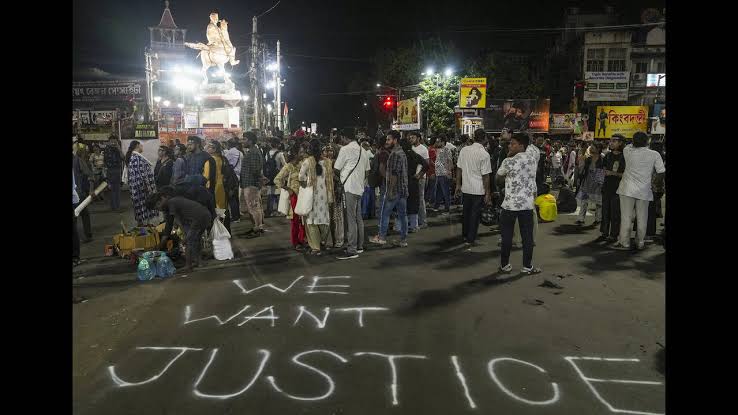
The horrific crime at Kolkata’s RG Kar Medical College and Hospital triggered widespread protests across the city. Citizens, student bodies, and rights groups demanded swift justice and accountability from the authorities. The case has also drawn sharp criticism of the hospital administration and state machinery for failing to provide adequate safety.
Activists argue that high-profile crimes like this highlight systemic issues in India’s medical institutions and law enforcement. They believe greater sensitivity and immediate response from public officials are essential in such cases.
While local protests continue, the President’s outreach has been seen as a moral boost to the victim’s family and a message that their voices have reached the nation’s highest levels.
Why Presidential Intervention Matters
In India, the President rarely intervenes directly in individual criminal cases. Therefore, Droupadi Murmu’s outreach is being interpreted as a significant act of empathy and acknowledgment. It symbolizes the State’s responsibility towards victims of gender-based violence and their families.
Legal experts note that while the President cannot directly influence the investigation, her intervention often compels agencies and governments to act more sensitively. It also restores public faith in constitutional institutions at a time when trust in political leadership appears fractured.
The Road Ahead
For the victim’s family, justice is still a long battle. The investigation continues, and they remain determined to ensure that those responsible are punished. They hope the President’s involvement will help keep pressure on authorities and prevent the case from being sidelined.
The tragedy has sparked a broader conversation about women’s safety in educational and healthcare institutions. Rights organizations have demanded stricter safety protocols, faster trials in sexual violence cases, and better support for victims’ families.
As protests continue, the family draws strength from public solidarity and the President’s message. Their fight is no longer theirs alone; it has become a collective demand for justice and accountability.