

For decades, Santhali was written in multiple scripts, including Roman, Devanagari, Odia and Bengali. Members of the Santal community living in Nepal, Bhutan and Mauritius also adopted scripts prevalent in those countries.
However, these writing systems often failed to accurately capture the original pronunciation and phonetic nuances of the Santhali language. This linguistic gap led to the invention of the Ol Chiki script in 1925 by Raghunath Murmu.
Since then, Ol Chiki has evolved into a powerful medium of expression and a unifying force for Santals across regions and borders. Today, it stands not just as a script but as a symbol of identity, pride and cultural continuity.
Call to Promote Mother Tongue Education
President Murmu described the centenary year as an opportunity to reaffirm commitment to the promotion of Ol Chiki. She emphasised that while children may pursue education in Hindi, English, Odia, Bengali or other languages, they should also learn their mother tongue Santhali in the Ol Chiki script.
Highlighting India’s linguistic diversity, the President compared the nation to an orchard filled with many languages. She said language and literature serve as threads that bind communities together, strengthening unity while preserving diversity.
She further stressed the importance of translation and literary exchange, urging efforts to make Santhali literature accessible to speakers of other languages and vice versa.
Honouring Literary Contributions
The President expressed satisfaction over the growing body of Santhali literature and praised writers who are enriching the language through their work. She encouraged authors to use their writings as tools for social awakening and cultural preservation.
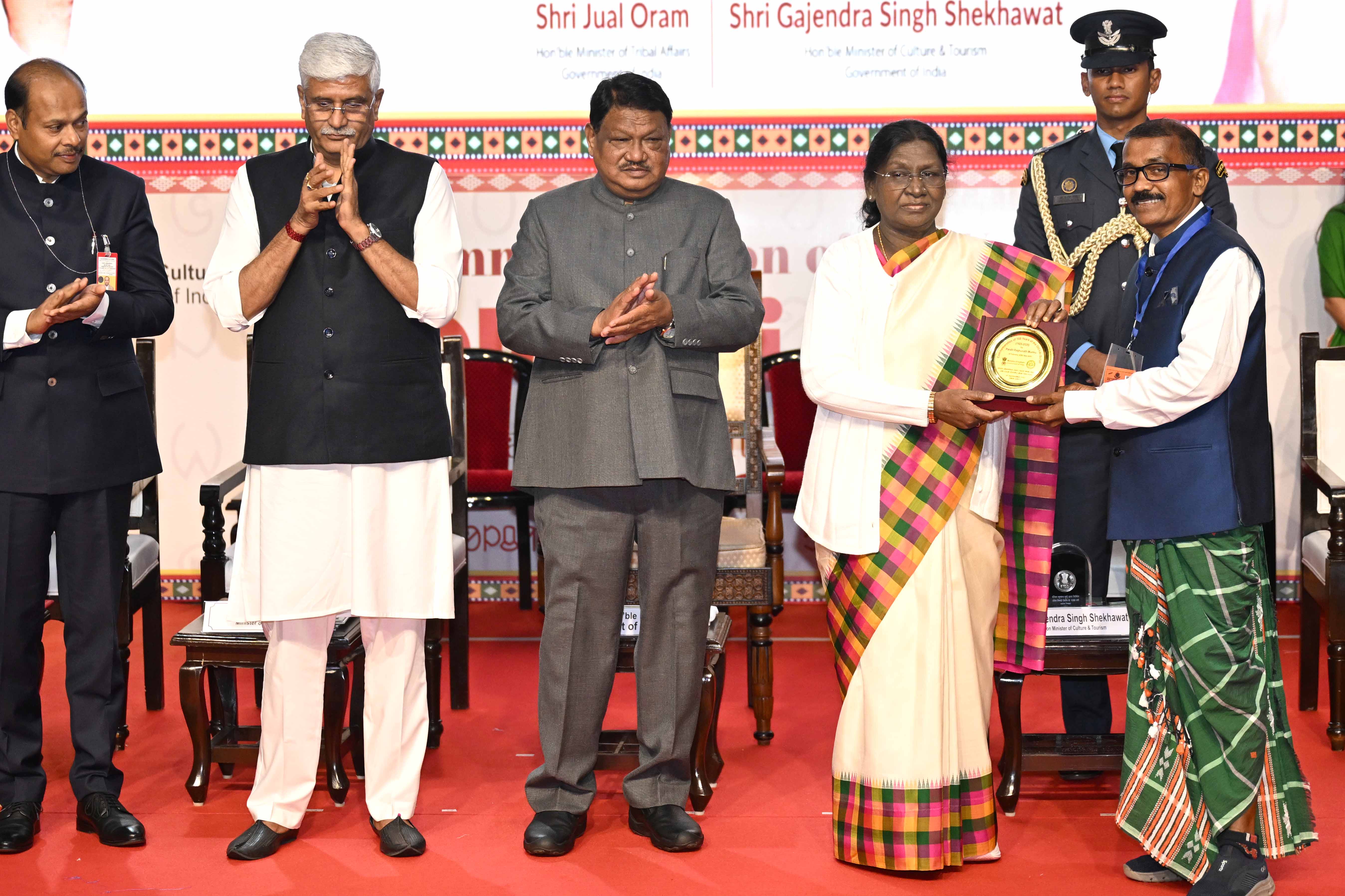
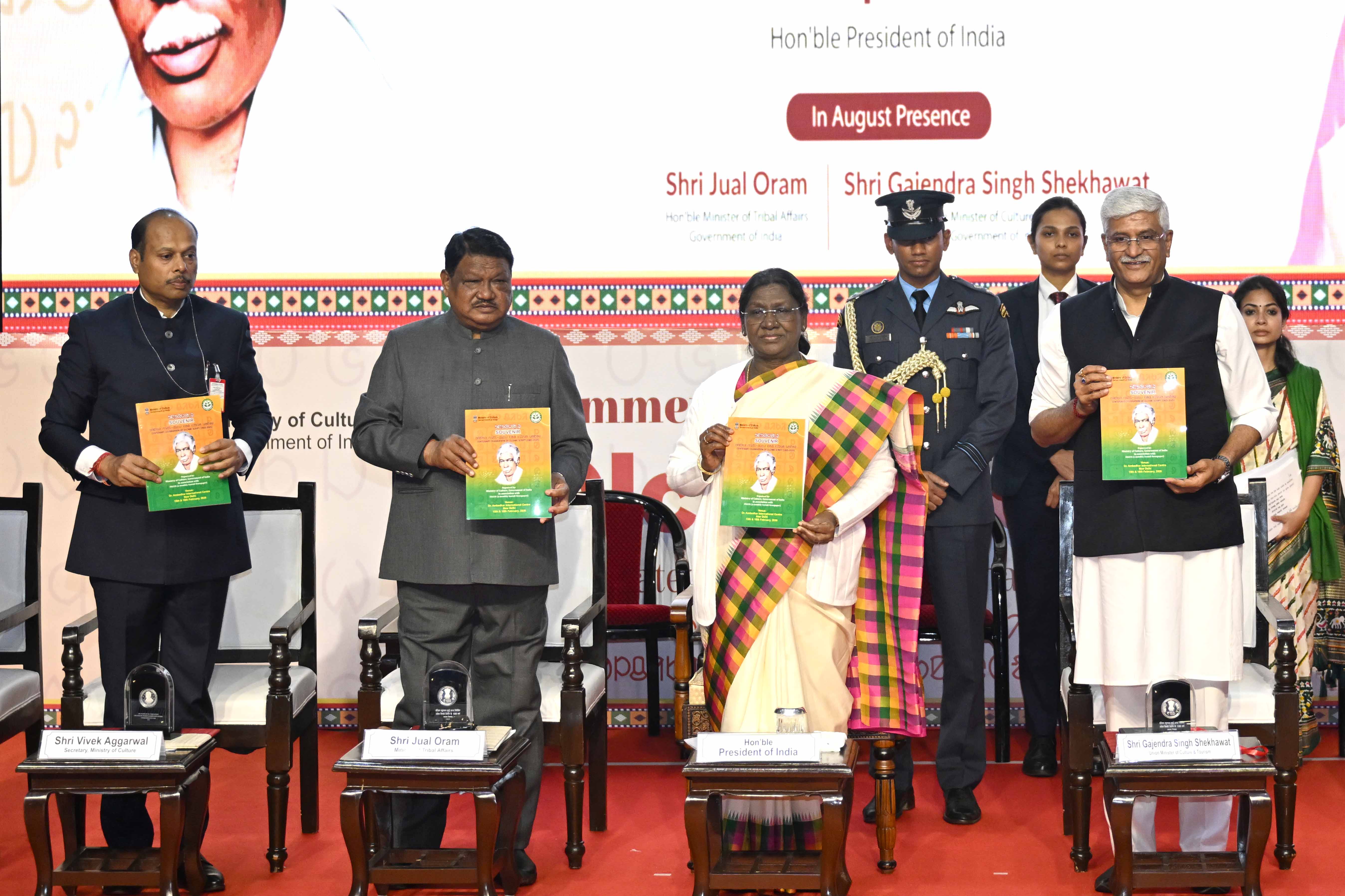
As part of the centenary celebrations, she released a commemorative coin and a special postage stamp marking 100 years of the Ol Chiki script. The occasion also saw the felicitation of ten achievers from the Santal community who have played a significant role in promoting the widespread use of Ol Chiki among Santhali speakers.
Strengthening Cultural Unity
The centenary celebration is being seen as a milestone in the journey of indigenous languages in India. The recognition of Ol Chiki underscores the importance of preserving tribal languages and ensuring their transmission to future generations.
Santhali, recognised in the Eighth Schedule of the Constitution, has witnessed renewed interest in recent years, aided by educational initiatives and cultural programmes. The centenary observance aims to accelerate these efforts.