 Ensuring Rights for the Last Mile
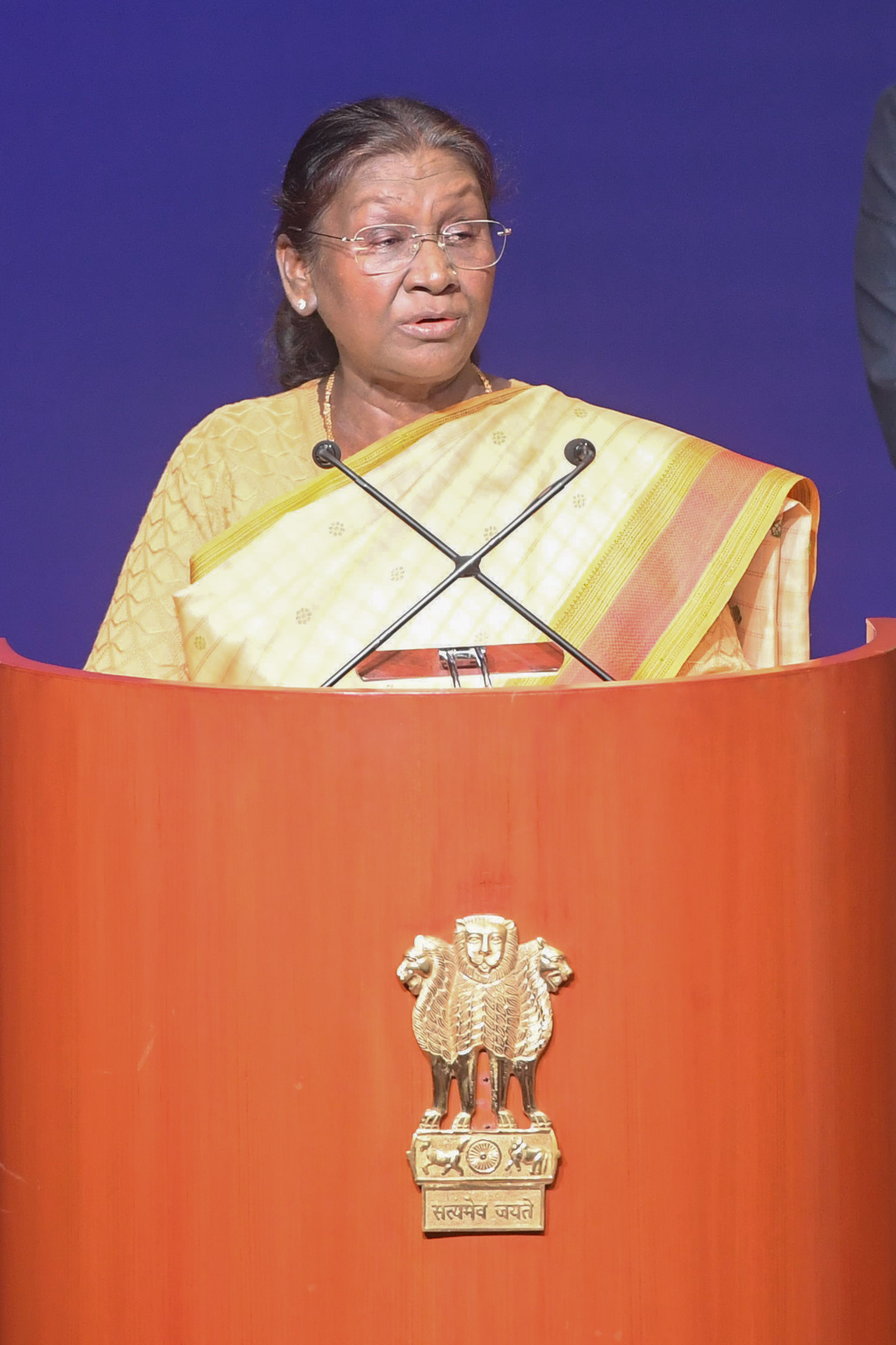
Highlighting the philosophy of Antyodaya, the President stressed that human rights must reach even the most marginalised individuals. Development, she noted, can only be considered inclusive when every citizen participates actively in the journey toward building a Viksit Bharat by 2047. She called upon citizens to collaborate in realising this vision by ensuring that constitutional values translate into lived realities for people across the nation’s diverse landscapes.
The President emphasised that the Constitution itself embodies a holistic human rights framework that includes social democracy, justice, and equality. She elaborated that the right to live without fear, to learn without barriers, to work without exploitation, and to age with dignity are all essential components of a humane society. India, she said, has always upheld the timeless principle that peace and justice are inseparable“there is no peace without justice and no justice without peace.”
NHRC’s Role in Safeguarding Constitutional Morality
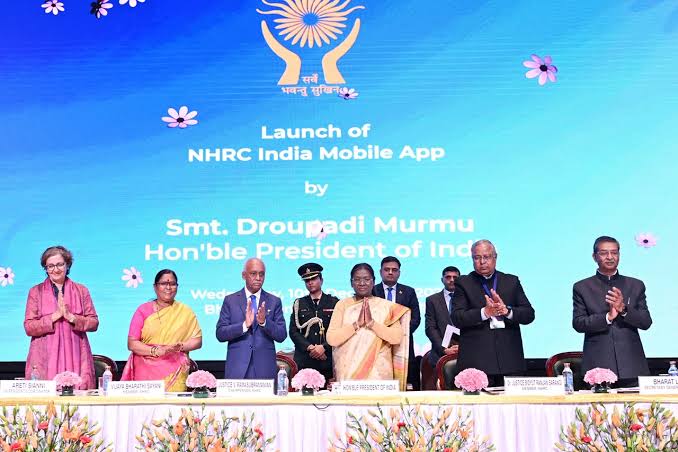
President Murmu praised the National Human Rights Commission, state commissions, the judiciary, and civil society for acting as vigilant guardians of constitutional conscience. She noted that the NHRC has taken proactive steps in recent years, including suo motu interventions on issues affecting Scheduled Castes, Scheduled Tribes, women, and children. Its discussions on the rights of prison inmates, held during its Foundation Day celebrations, were highlighted as a commendable step toward reform and justice.
She also lauded the NHRC for organising a conference focused on women’s safety in public spaces and workplaces. Such initiatives, she said, are vital for advancing women’s empowerment, which remains a core pillar of human rights. The conclusions drawn from these discussions, she added, have the potential to shape impactful policies and create safer environments for women nationwide.
From Entitlement to Empowerment
In her address, the President reflected on the government’s shift in approach over the last decade from entitlement-driven welfare to empowerment-focused development. She observed that access to essential services such as clean water, cooking gas, electricity, healthcare, banking, education, and sanitation has improved significantly, uplifting households and enhancing human dignity.
She also highlighted the government’s recent notification of the four Labour Codes, covering wages, industrial relations, social security, and occupational safety. These reforms, she said, are designed to build a future-ready workforce and stronger, more resilient industries by modernising labour governance and expanding worker protections.
Shared Duty to Protect Human Dignity
President Murmu concluded her address by reminding citizens that protecting human rights is not the responsibility of the government or institutions alone. Instead, it is a collective duty shared by all members of society. She called for a compassionate approach where individuals recognise their moral responsibility to uphold dignity, respect, and justice for their fellow citizens.