
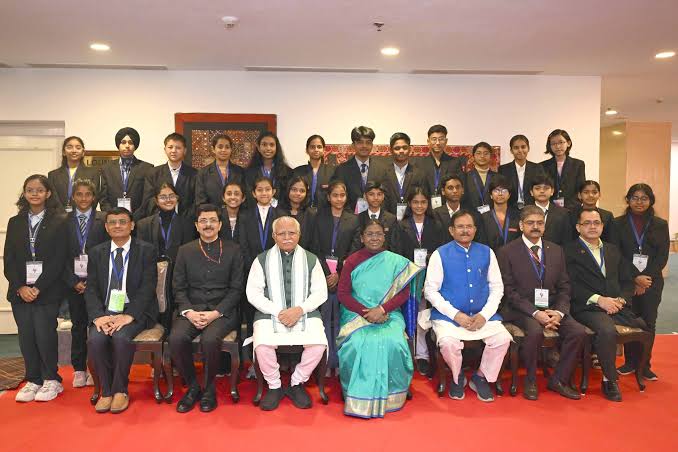
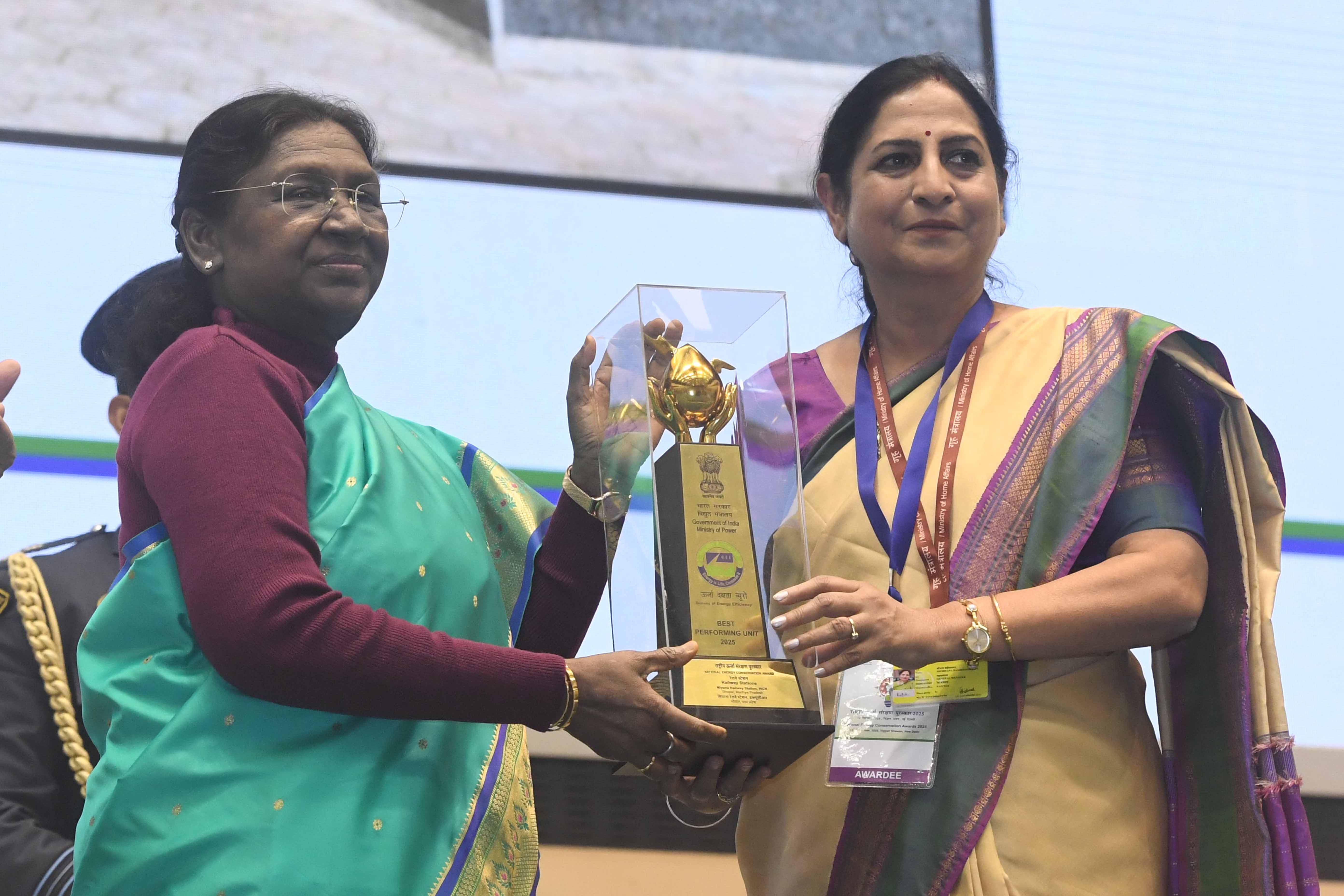

Addressing the gathering, President Murmu described energy conservation as the most environment-friendly and dependable source of energy available to humanity. She said that conserving energy is no longer a matter of choice but an urgent necessity in today’s world, where climate change and environmental degradation pose serious global challenges.
She explained that energy conservation does not merely mean reducing consumption, but using energy in a wise, efficient, and responsible manner. Simple everyday actions such as avoiding unnecessary use of electrical appliances, opting for energy-efficient devices, and maximising natural light and ventilation can collectively make a significant difference.
Link Between Energy Efficiency and Environmental Protection
The President pointed out that adopting renewable energy solutions, including solar power, not only conserves energy but also helps reduce carbon emissions. She noted that energy conservation plays a vital role in maintaining clean air, safeguarding water sources, and preserving ecological balance.
“Every unit of energy saved reflects our responsibility towards nature and our sensitivity towards future generations,” President Murmu said, calling upon citizens to see energy efficiency as a moral and civic duty.
Youth Participation Key to Sustainable Development
Emphasising the importance of awareness among young people, the President said that educating children and youth about energy conservation is essential for achieving long-term national goals. She expressed confidence that informed and conscious young citizens would drive India’s sustainable development journey.
The National Painting Competition, she noted, is an effective platform to instil environmental values in students and encourage creative engagement with the theme of energy conservation.
Clean Energy as a Tool for Empowerment
President Murmu highlighted that access to affordable and clean energy has a transformative impact on communities. It not only improves quality of life but also stimulates local economies and generates new employment opportunities.
She stressed that green energy should be viewed beyond electricity generation, describing it as a powerful instrument of empowerment and inclusive growth that can bridge development gaps across regions.
Government Initiatives Driving Energy Transition
The President expressed satisfaction over major government initiatives such as the Pradhan Mantri Surya Ghar Muft Bijli Yojana and the National Green Hydrogen Mission, which are reducing India’s dependence on fossil fuels. She also referred to policy mechanisms like the Renewable Consumption Obligation and Production Linked Incentive schemes that are accelerating renewable energy adoption.
According to official data, India’s energy efficiency measures during 2023–24 resulted in savings of 53.60 million tonnes of oil equivalent. These efforts have led to substantial economic savings and a significant reduction in carbon dioxide emissions, reinforcing India’s global climate commitments.
Behavioural Change Central to Energy Efficiency
President Murmu reiterated that the success of India’s energy transition depends on the participation of every sector and citizen. She stressed that behavioural change is fundamental to achieving energy efficiency at scale.
Referring to India’s cultural ethos, she said the philosophy of living in harmony with nature forms the foundation of the country’s global message, “Lifestyle for Environment – LiFE.” She appreciated the efforts of all stakeholders working in the field of energy conservation and expressed confidence that collective responsibility and public participation would help India achieve its green future goals.