
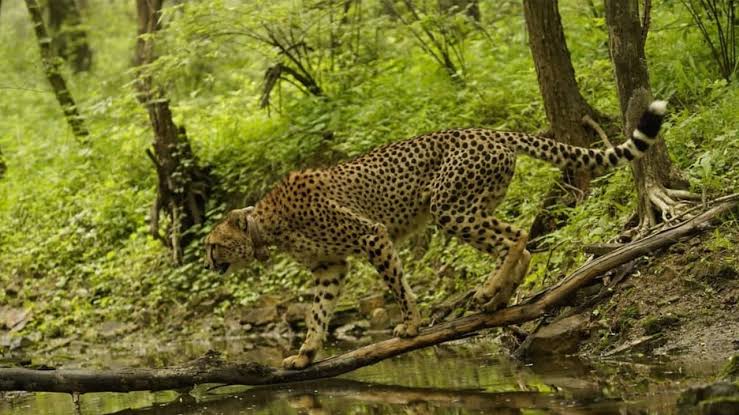
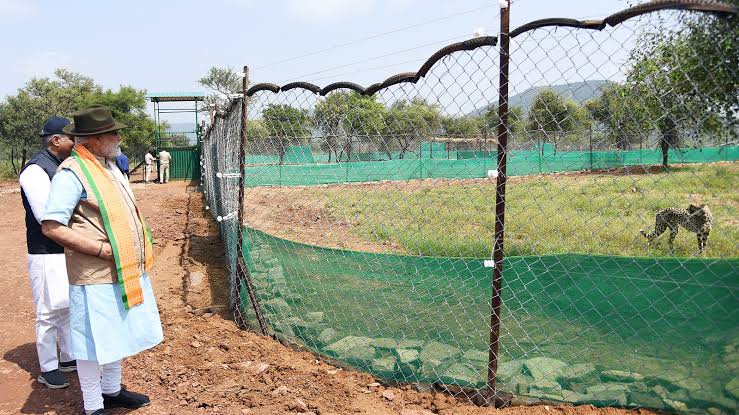

Project Cheetah, launched to reintroduce the species into its former range, has marked several milestones this year notably the birth of five cubs to Mukhi, the first female cheetah born in India under the programme. Conservation officials and the Environment Ministry called the event historic, highlighting that India-born cheetahs are reproducing successfully in managed habitats.
Alongside births, the government has continued international cooperation to bolster genetic diversity and population size. New translocations from Botswana and other partner countries are planned to expand release sites beyond Kuno National Park, supporting habitat restoration and long-term viability.
Why the PM Shared the Article
By sharing Minister Yadav’s article, the Prime Minister aimed to amplify public awareness of conservation success stories and to reinforce government policy on species recovery. The shared post underscored that measurable results like successful births and adaptive behaviours strengthen confidence in rewilding strategies and community-backed conservation.
Conservation Strategy and Community Involvement
Authorities say Project Cheetah pairs stringent veterinary care and quarantine protocols with habitat improvements and community engagement. Local forest departments and wildlife biologists have focused on prey base management, human-wildlife conflict mitigation, and sustained monitoring of released individuals to ensure survival and reproduction. These concerted actions aim to create self-sustaining cheetah populations in suitable landscapes.
What Experts and Officials Are Saying
Conservationists have welcomed recent developments while urging continued scientific oversight. Experts stress that births are an important indicator but long-term success depends on landscape connectivity, genetic management, and sustained funding for monitoring and anti-poaching measures. Government releases indicate additional translocations are being planned to strengthen population resilience.
Where to Find Official Details
Official statements and updates on Project Cheetah, including Minister Bhupender Yadav’s article and the Prime Minister’s post, are available on the Press Information Bureau and the Ministry of Environment, Forest and Climate Change portals. Readers can consult the full government release for primary details and timelines.
As India marks International Cheetah Day and looks to future translocations, officials say the combined evidence of successful births and planned imports indicates that reintroduction efforts are moving from experimental phases toward longer-term restoration provided ecological and social safeguards continue to be rigorously implemented.