

In Washington, several lawmakers across party lines cited the arrest as evidence that accountability should extend beyond borders. Republican Representative Thomas Massie called the development a benchmark moment in the push for transparency surrounding Epstein-related files.
Massie, who co-sponsored legislation seeking wider disclosure of Epstein documents, urged US authorities including the Attorney General and FBI leadership to act decisively. He said justice must not stop at international boundaries.
Democratic lawmakers echoed similar concerns. Representative Robert Garcia described the UK action as a significant step toward justice for survivors and urged American institutions to demonstrate equal resolve.
Political Reactions and Sharp Divides
The arrest has also deepened partisan tensions. Democratic Representative Suhas Subramanyam said the move in the UK shows accountability is possible and stressed that similar momentum is required in the US.
Representative Melanie Stansbury described the arrest as historically significant, noting that a senior British royal being detained marks a rare moment in modern constitutional history.
On the Republican side, Representative Nancy Mace claimed that persistent political pressure helped push transparency forward, asserting that no individual should be beyond the reach of the law.
Trump’s Response
US President Donald Trump reacted to the arrest by calling it “a shame” and “very sad.” Speaking to reporters, he expressed concern about its impact on the British royal family. His remarks have drawn criticism from some lawmakers who argue that the focus should remain on accountability and survivors’ rights.
Voices of Survivors
Survivors and advocates have also weighed in. Family members of the late Virginia Giuffre, who previously accused Prince Andrew of sexual misconduct — an allegation he has consistently denied — said the UK’s action demonstrates seriousness in pursuing institutional accountability.
Other survivors highlighted what they perceive as slower progress within the US justice system. They argue that decisive steps are needed to restore faith in public institutions and ensure that investigations into Epstein’s network are thorough and transparent.
Broader Implications
The controversy has revived debate over international cooperation in high-profile investigations involving powerful individuals. Legal experts note that misconduct in public office, under UK law, requires proof of wilful misuse of official authority.
While the legal process in the UK continues, the political ramifications in the United States appear far from settled. Lawmakers are pressing for further disclosures and potential hearings tied to Epstein’s long-standing network of associates.
What Comes Next?
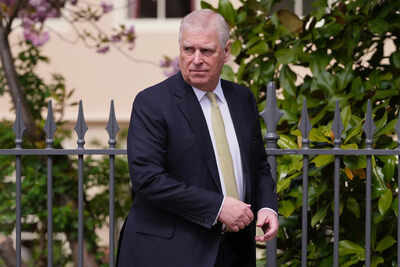
Prince Andrew remains under investigation in the UK. Authorities have stated that inquiries are ongoing and no further public statements will be issued immediately.
In the US, pressure is building for deeper institutional review and transparency. Whether this moment translates into concrete legal action remains uncertain. However, the arrest has undeniably intensified calls for accountability on both sides of the Atlantic.
As debates unfold in Washington and London, the central message repeated by many lawmakers remains clear: the principle that no one is above the law must apply universally.